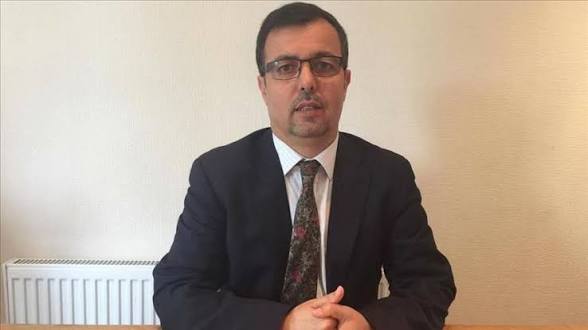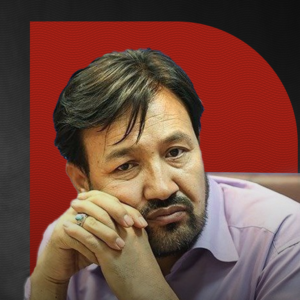
A U.S. federal court has rejected Afghan businessman Kamaluddin Nabizada’s challenge to sanctions imposed on him by the U.S. Treasury Department, ruling that he failed to demonstrate that the measures were unlawful.
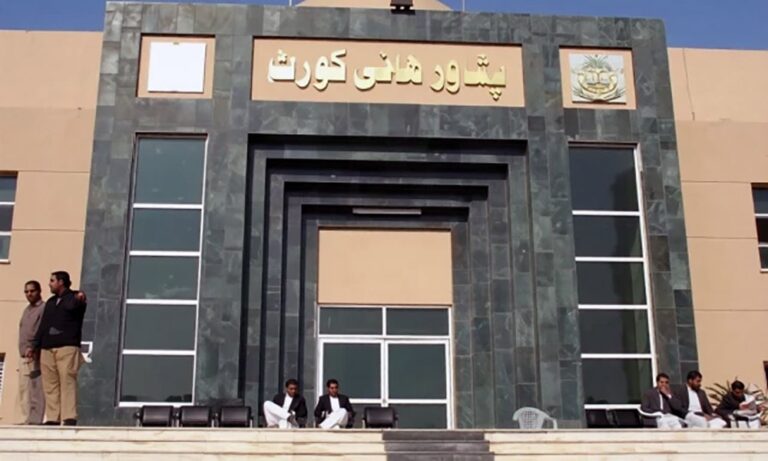
According to a ruling by the U.S. District Court for the District of Columbia, Judge Amir H. Ali ruled in favor of the U.S. government, finding that the Treasury Department’s Office of Foreign Assets Control (OFAC) had not acted unlawfully in designating Nabizada under its sanctions regime.
Nabizada, who was born in Afghanistan’s northern Balkh province, was placed on the U.S. sanctions list in 2022 over allegations of financial cooperation with Esmail Qaani, commander of Iran’s Islamic Revolutionary Guard Corps Quds Force. Several Iranian individuals and companies were also sanctioned at the time.
The U.S. government subsequently seized his assets and revoked his U.S. citizenship, according to the report.
Security reports have alleged that Nabizada’s wife, Zakia Nabizada, was involved in transferring funds from Iran to Russia on behalf of the Quds Force.
Israeli media have also alleged that Qaani, with the cooperation of Nabizada and his wife, moved at least $700 million in IRGC funds out of Iran.
Nabizada asked OFAC in October 2022 to reconsider his designation and remove his name from the sanctions list. The request was rejected in March 2024.
He then filed a lawsuit in federal court challenging both the sanctions themselves and OFAC’s refusal to remove him from the list. After reviewing classified material, the court upheld the government’s decision and found the measures lawful.
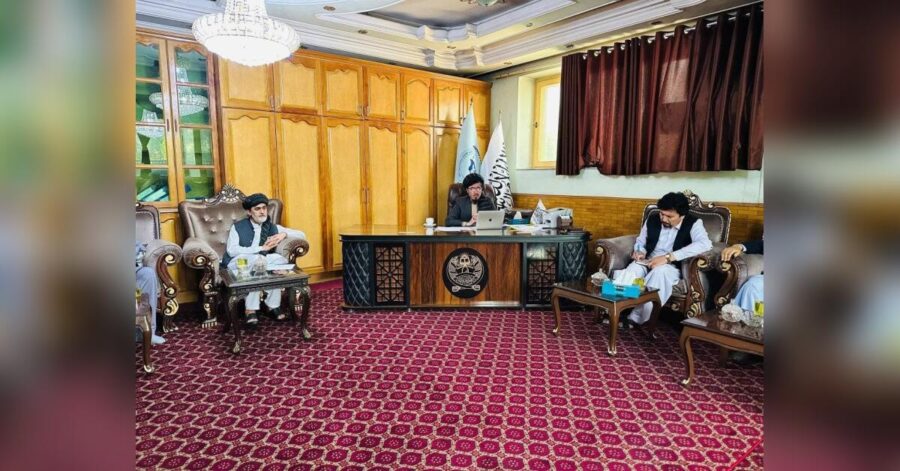
Nabizada’s recent trips to Afghanistan and contacts with Taliban officials have also drawn criticism from some politicians and opponents of the Taliban. He has not publicly commented on the allegations concerning his activities.
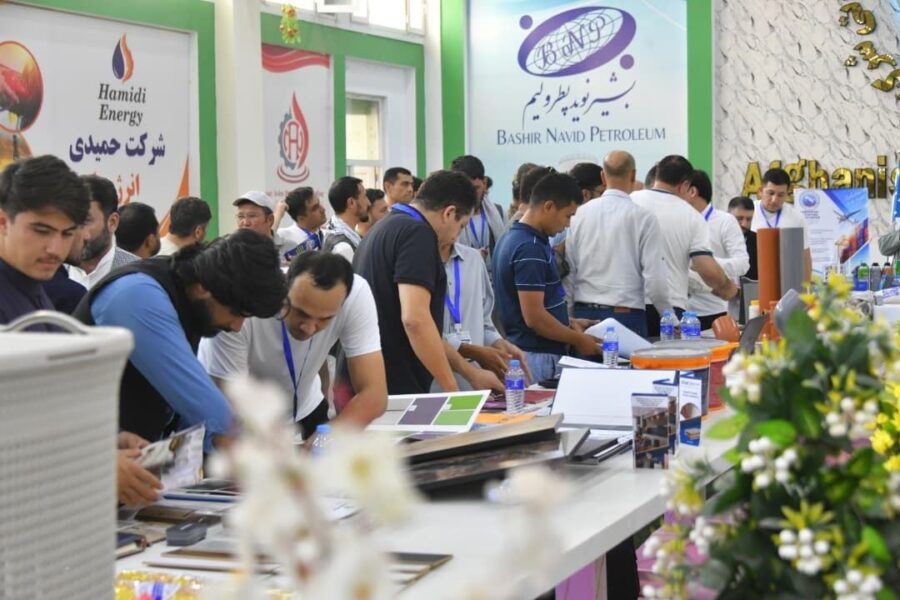
Nabizada had previously faced a legal case in Uzbekistan related to his financial and commercial activities in the real estate and oil sectors. He was detained in connection with the case but was later released and returned to Iran.
His return to Iran, reportedly linked largely to his economic and family affairs, subsequently drew the attention of some institutions, particularly as his renewed presence in the country again highlighted his position within regional financial networks.