Pakistan’s Foreign Ministry said Islamabad was ready to reopen its shared border with Afghanistan and resume trade with Kabul if the Taliban government cooperated in containing and preventing militant activity from Afghan territory.
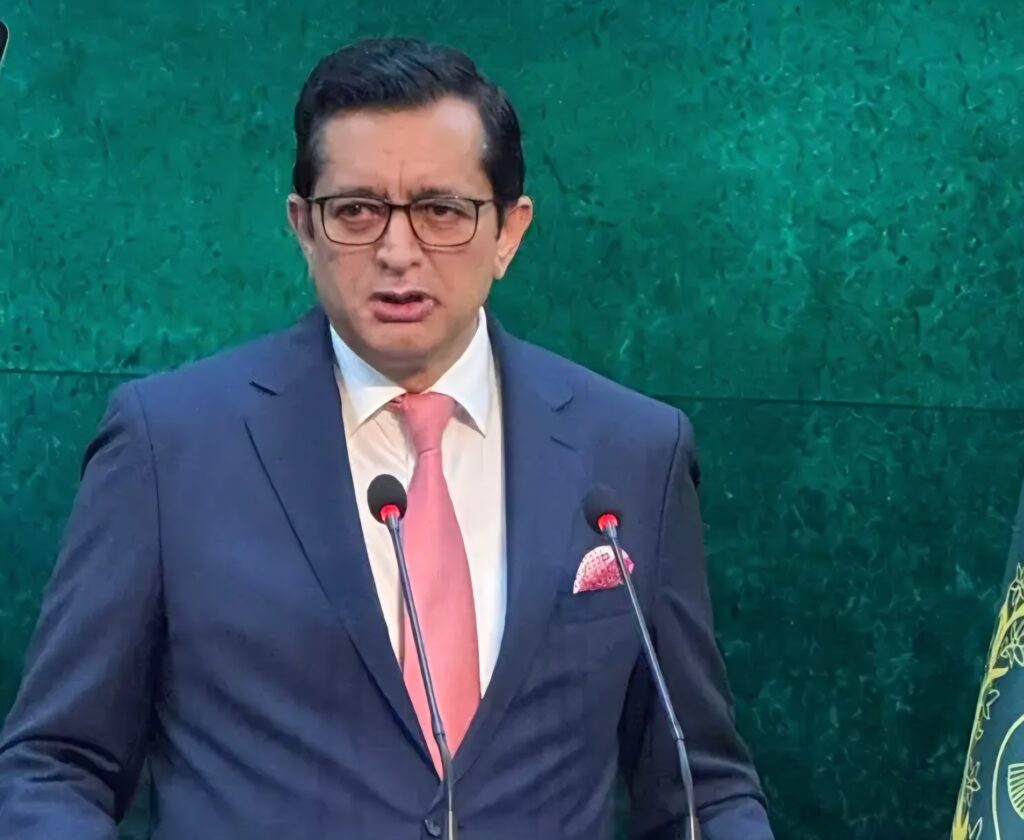
As reported by IRAF, Pakistan’s new Foreign Ministry spokesperson, Sajjad Haider Khan, said Islamabad remained committed to resolving disputes through dialogue and had sought the mediation of countries including Qatar, Turkey and China to ease tensions with Afghanistan. He said, however, that the diplomatic efforts had so far failed to produce tangible results.
Khan accused the Taliban government of failing to provide the necessary security guarantees, an allegation Kabul has repeatedly rejected while maintaining that Afghan territory will not be used against neighboring countries.
The Pakistani spokesperson also clarified Islamabad’s position on the suspension of education for Afghan students, saying only students who had completed their studies and were not newly enrolled would be required to return. Students holding valid visas or scholarships, he said, would be allowed to continue their studies.
The clarification followed rulings by the high courts in Lahore, Sindh and Islamabad suspending an earlier decision by Pakistan’s medical council calling for the general expulsion of Afghan medical students.
Khan also said no final decision had yet been made on whether to invite a representative of the Taliban government to the upcoming meeting of the Economic Cooperation Organization (ECO) foreign ministers.
Turkey, Qatar and China Step Up Mediation Efforts
Khan’s remarks on the role of regional powers come amid intensified diplomatic efforts to ease the crisis between Kabul and Islamabad.
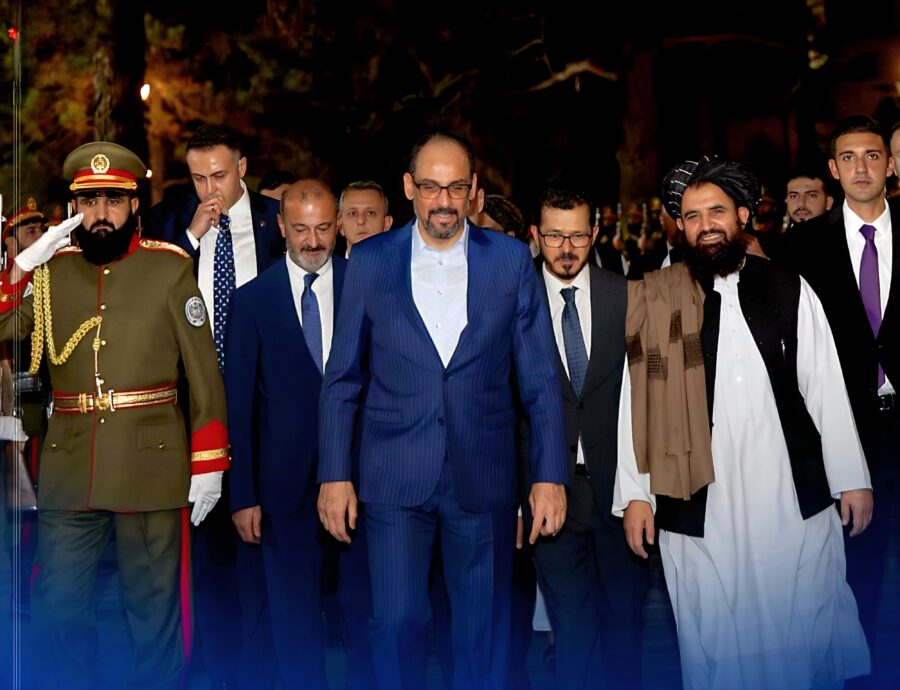
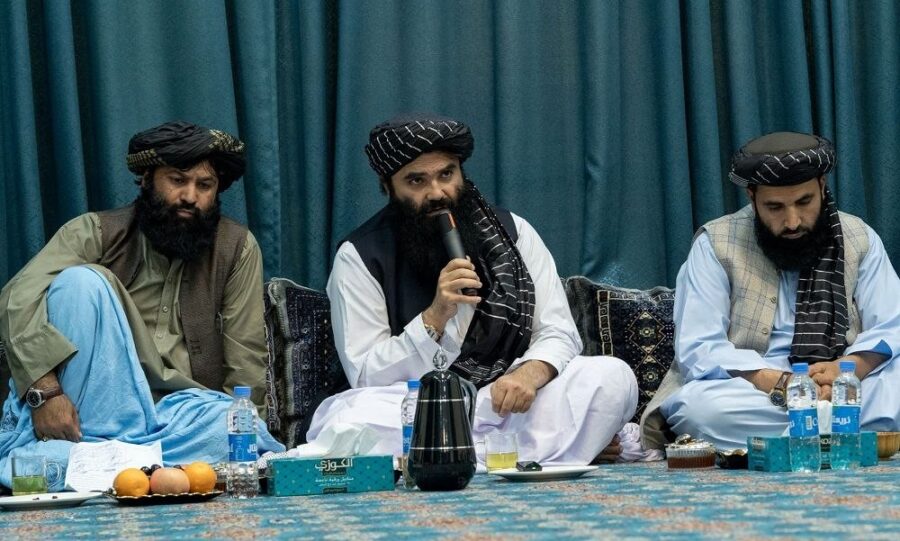
Simultaneous Turkish and Qatari security visits to Kabul: Before these latest diplomatic moves, senior Turkish and Qatari security delegations had held separate meetings in Kabul. The Turkish delegation was led by Ibrahim Kalin, while the Qatari delegation was headed by Hamd bin Khalifa al-Kubaisi. They held talks with Sirajuddin Haqqani, the Taliban’s acting interior minister, and Mohammad Yaqoob Mujahid, the acting defense minister, on regional stability, engagement with the international community and the management of border disputes.
Kalin’s visit to Islamabad: Shortly after the Kabul meetings, Kalin, the head of Turkey’s intelligence service, travelled to Islamabad, where he met Prime Minister Shehbaz Sharif, army chief General Asim Munir and Asim Malik, head of Pakistan’s Inter-Services Intelligence (ISI). The meetings were aimed at pursuing a mediation formula between the two neighboring countries.
Border Tensions and Economic Pressure
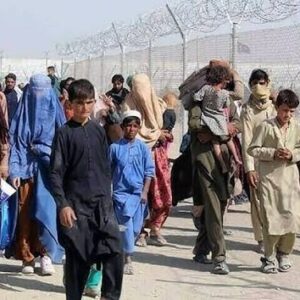
Relations between Kabul and Islamabad over the past year have been marked by repeated closures of major trade crossings and growing security tensions along the border.
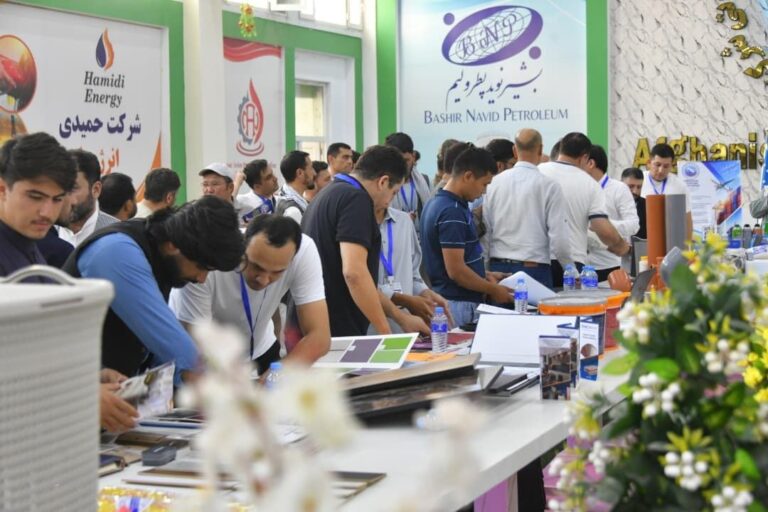
Key crossings and losses for traders: Intermittent closures by Pakistan of the Torkham, Spin Boldak and Ghulam Khan crossings in recent months have caused millions of dollars in losses for Afghan traders and disrupted transit routes, with the border closures also serving as a source of political pressure.
Security allegations and border clashes: Islamabad has cited an increase in attacks and militant activity originating from Afghan territory as the main reason for closing the border. The Taliban government, however, has rejected the accusation, attributing the tensions to Pakistan’s own internal security shortcomings and calling for economic cooperation without conditions.