The case of Afghan medical students in Pakistan has entered a new phase following a decision by Pakistan’s medical council to bar them from studying in the country and an order for their deportation. The Lahore High Court has suspended the implementation of the deportation order, while a court in Balochistan has reportedly upheld the decision to expel the students, leaving their future uncertain. Beyond the immediate legal developments, the case has raised broader questions about the impact of political tensions between Kabul and Islamabad on educational cooperation and the prospects for Afghan students.
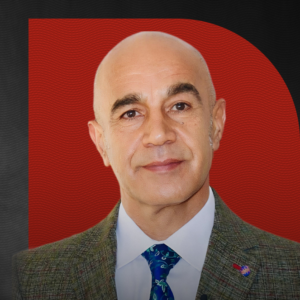
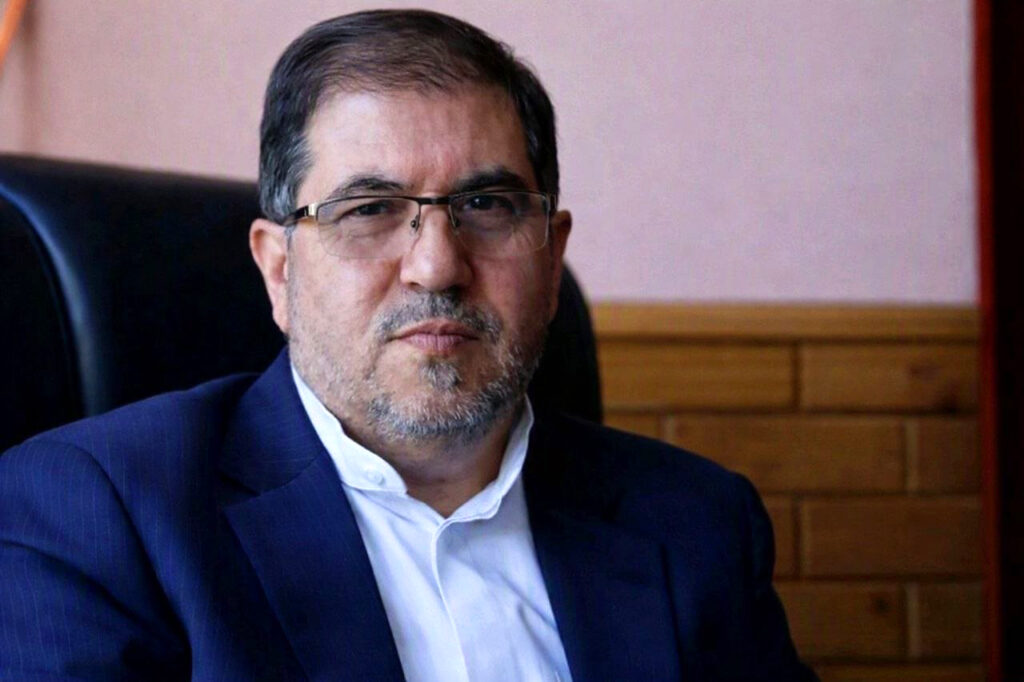
Dr. Mohammad Vahid Binesh, former president of Afghanistan’s Khatam al-Nabieen University, said the initial decision to prevent some Afghan medical students from enrolling or continuing their studies in Pakistan had caused widespread concern among students and their families. However, he said, the intervention of the judiciary and the temporary suspension of the deportation order had eased the immediate crisis to some extent.
Binesh said the case had demonstrated that the education and future of Afghan students could remain vulnerable to political relations between Kabul and Islamabad, even as restrictions on girls’ education in Afghanistan add another dimension to the issue.
Questions Remain Unanswered
Binesh said the issue initially emerged through decisions by educational authorities and institutions responsible for students’ residency status. At one stage, the measures involved discussions about halting the admission or registration of Afghan medical students and even deporting those already studying in Pakistan.
According to him, the Pakistani side primarily cited issues related to visas, residency permits and the students’ legal status.
Afghan students challenged the decision through the judicial system, and court intervention has, for the time being, suspended the implementation of the deportation order.
The former university president raised questions about the circumstances surrounding the decision.
If Afghan students had lacked valid visas or residency permits from the outset, he asked, why had they initially been allowed to enter Pakistan, enroll in universities and begin their studies? Conversely, if they had entered legally and were studying with valid authorization, why should they now face obstacles to continuing their education?
Binesh said these apparent contradictions showed that the case could not be viewed solely as an administrative or academic matter and that political relations between the two countries also needed to be considered.
Students Should Not Become Victims of Political Disputes
Referring to the strained relations between Afghanistan and Pakistan, Binesh said the two countries had experienced a series of political, security and border-related disputes in recent years.
He said both sides had, at various times, used different means of applying pressure and seeking concessions in negotiations.
According to Binesh, the situation of Afghan students could also be affected by this broader environment, particularly as relations between Kabul and Islamabad remain marked by tensions alongside efforts to pursue dialogue.
He stressed that students and their academic futures should not become instruments of political pressure. Medical students who have invested years of their lives and substantial financial resources in their education, he said, should not bear the cost of disputes between governments.
Binesh called for clear and stable arrangements governing visas, residency, university registration and the continuation of studies for foreign students, particularly Afghans, to ensure that political developments between the two countries do not directly jeopardize their academic futures.
Pakistan’s Complex and Contradictory Approach to Afghanistan
Binesh also addressed Pakistan’s approach to Afghanistan, describing it as having different and, at times, contradictory dimensions.
Referring to Pakistan’s role in Afghanistan’s developments over several decades, he said the country’s policies and actions toward Afghanistan had faced serious criticism at various times. He also noted that some groups and centers involved in Afghanistan’s political developments had operated from Pakistani territory.
At the same time, Binesh said Pakistan had hosted a very large population of Afghan migrants for many years.
He added that this aspect of Pakistan’s conduct should not be overlooked and that the people and government of Pakistan deserved appreciation for hosting such a large number of Afghans.
However, he stressed that this history should not mean that the rights of students and their academic futures are subjected to political considerations.
A Broader Contradiction: Defending Afghan Students in Pakistan While Banning Girls from Universities in Afghanistan
Binesh said the situation of girls’ education inside Afghanistan could not be overlooked when examining the case of Afghan students in Pakistan.
He noted that while the Taliban criticize restrictions imposed on Afghan students in Pakistan and defend their right to continue their education, the same movement has prevented girls from pursuing university studies inside Afghanistan.
According to Binesh, a considerable number of Afghan girls and women with strong academic abilities have been forced to leave university, remain at home or migrate abroad to continue their education because of these restrictions.
He said that if Afghan students had been sent to Pakistan for education with official support or authorization, or had received scholarships, the Taliban government should support their continued studies and help ensure that they can complete their academic programs.
The Right to Education Should Not Be Sacrificed to Political Disputes
The former president of Khatam al-Nabieen University also referred to the lack of international recognition of the Taliban government, saying Afghanistan’s political situation and the way different countries engage with its current authorities had affected Kabul’s official relations with the international community.
However, he said the human and educational rights of students should not be determined solely by the political status of governments.
Binesh stressed that human rights frameworks and international regulations address issues including the right to education, student mobility, residency, travel and educational facilities. Students, he said, should not be deprived of their educational rights simply because of political disagreements between governments.
He added that students are human beings pursuing their own futures and contributing to the prospects of their societies before they are representatives of any government or political position.
International Students as a Source of Universities’ Academic Standing
Binesh said the presence of international students was an important factor in universities’ academic standing around the world.
He explained that reputable universities are not recognized solely by the number of domestic students they enroll. Their international standing is also influenced by academic engagement with other countries, the presence of foreign students, exchanges of faculty and students, and scientific and cultural connections.
According to the former university president, admitting international students is not merely an educational matter but also forms part of scientific, cultural and even diplomatic relations between countries.
When students study at universities abroad, he said, they gain not only specialized knowledge but also exposure to the host country’s society, culture and academic environment.
Such human and academic connections, he added, can help reduce misunderstandings and strengthen relations between peoples over the long term.
Binesh stressed that restricting Afghan students’ presence in Pakistan could affect not only their academic futures but also scientific and cultural relations between the two societies.
Female Students: Afghanistan’s Human Capital
Binesh specifically addressed the situation of female students in Afghanistan, saying that even when many educated Afghan women have little hope of returning home and finding suitable employment, their education remains valuable.
He explained that education is an investment that can benefit individuals and society even when political and social circumstances change.
According to the university professor, Afghanistan needs doctors, engineers, university lecturers, researchers and specialists in various fields, with women forming an important part of this human capital.
He added that depriving girls of education means losing part of Afghanistan’s scientific and professional capacity, which would require considerable time and resources to rebuild in the future.
Other Countries Could Accept Students Facing Deportation
Asked what options would be available to Afghan students if Pakistan’s restrictions continued, Binesh said other countries could also play a role in providing educational opportunities.
He identified Iran, Türkiye and Central Asian countries as potential destinations for Afghan students, provided the necessary conditions were in place.
Binesh said accepting Afghan students should not be viewed merely as a financial cost but as an investment in scientific development and human capital.
A country that provides an Afghan student with an opportunity to study, he said, helps preserve and strengthen Afghanistan’s human resources, particularly at a time when some students are unable to continue their education at home because of domestic restrictions.
Khatam al-Nabieen University’s Experience: Education as a Platform for Dialogue
Referring to his experience at Khatam al-Nabieen University, which was recently shut down by the Taliban, Binesh said the institution had sought to allow even members of the Taliban movement to attend the university and pursue higher education.
He explained that the objective was not limited to providing academic instruction. The university could also serve as a space for dialogue, mutual understanding and interaction among different groups in society.
According to Binesh, many individuals and members of forces who had spent years living amid war and violence encountered a different environment when they entered the university—one in which dialogue, science and social interaction could replace some of the relationships shaped by confrontation and violence.
The former university president stressed that education, from this perspective, is not merely the transfer of knowledge. It can also become a means of building connections between individuals and groups who might otherwise remain distant from one another.
Education as a Tool for Peace and Reducing Violence
Binesh said that greater access to education and stronger academic connections could create more opportunities for coexistence and peace.
He added that education could help individuals address problems and disagreements through dialogue and reasoning, a particularly important consideration in Afghanistan, where society has experienced years of war and violence.
According to him, providing Afghan students with opportunities to study in different countries could improve their academic capabilities while also helping establish networks of human and scientific connections that may influence Afghanistan’s future.
Afghan Students’ Case Goes Beyond an Administrative Dispute
Summarizing the recent developments, Binesh said the case of Afghan medical students in Pakistan should not be regarded merely as an administrative disagreement over visas or residency permits.
In his view, the issue has broader implications for relations between Kabul and Islamabad, students’ rights, Afghanistan’s human capital, women’s education and the role of universities in relations between countries.
He stressed that when political relations between the two countries become strained, students who have no role in those disputes should not be the first group placed under pressure.
Binesh expressed hope that the Pakistani government would treat Afghan students with respect and allow those who have already begun their academic programs to complete their studies without interruption and become specialists who can contribute to Afghan society in the future.
Hope for the Return of Women’s Education and a Better Future for Afghanistan
In his concluding remarks, Binesh expressed hope for greater peace and stability in Afghanistan, saying that one of the country’s most important future challenges was restoring women’s and girls’ access to education and employment.
He stressed that education should be recognized as a fundamental right for all human beings and that individuals should be assessed not on the basis of gender but according to their merit, expertise and abilities.
Binesh said Afghanistan needed all its skilled and educated people to build its future and could not afford to exclude part of its population from education and development.
The former president of Khatam al-Nabieen University concluded that preserving human capital, expanding education and ensuring access to learning for young people, particularly women, were essential to Afghanistan’s development and reconstruction. Political disputes, he said, should not stand in the way of these objectives.
From this perspective, the recent case of Afghan medical students in Pakistan carries a broader message, even after the immediate crisis has eased: education and human capital should not become casualties of political disputes, and Afghanistan’s future cannot be envisioned without preserving and strengthening the academic potential of its younger generation.
Legal Developments and the Future of Afghan Students in Pakistan
The case of Afghan medical students in Pakistan entered the judicial system following reports of restrictions on their continued education and the possible deportation of some students.
The Lahore High Court suspended the implementation of the deportation order. At the same time, Pakistan’s Foreign Ministry announced that Afghan students enrolled in valid academic programs were not subject to a general deportation decision.
With immediate concerns over the students’ deportation easing, broader questions have emerged about the future of Afghan students in Pakistan, the legal arrangements governing their continued education, and the impact of political relations between Kabul and Islamabad on educational and humanitarian issues between the two countries.