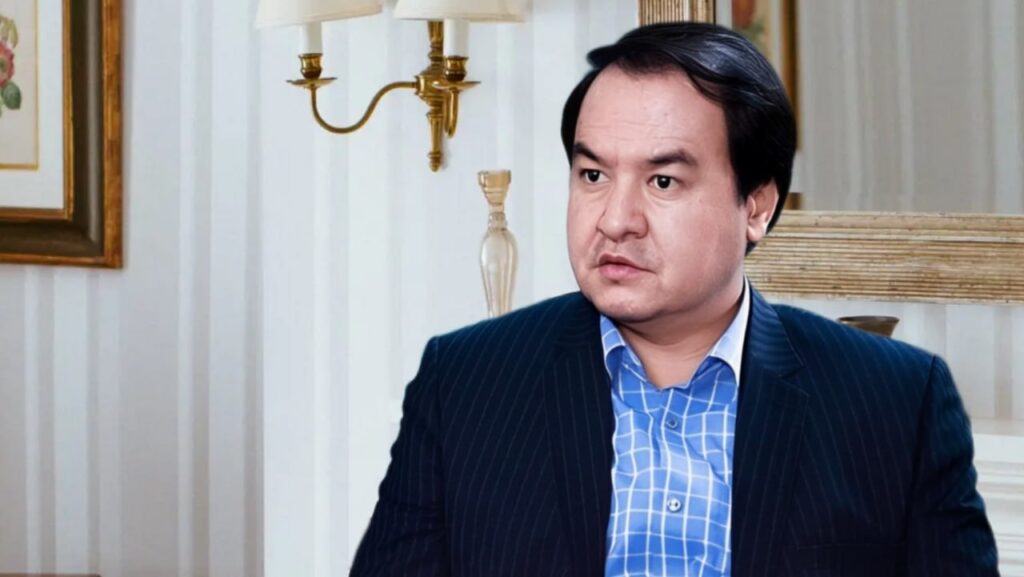
The presence of former U.S. diplomat Zalmay Khalilzad at the signing ceremony of an oil and gas contract between Saudi company Delta and the Taliban has raised questions about the economic and political dimensions of his involvement. Mohammad Aref Rahmani, a former member of Afghanistan’s parliament, believes Khalilzad’s role in the deal extends beyond attending the signing ceremony. His record in Afghanistan and his ties to the Taliban, Rahmani argues, warrant closer scrutiny of his current activities.
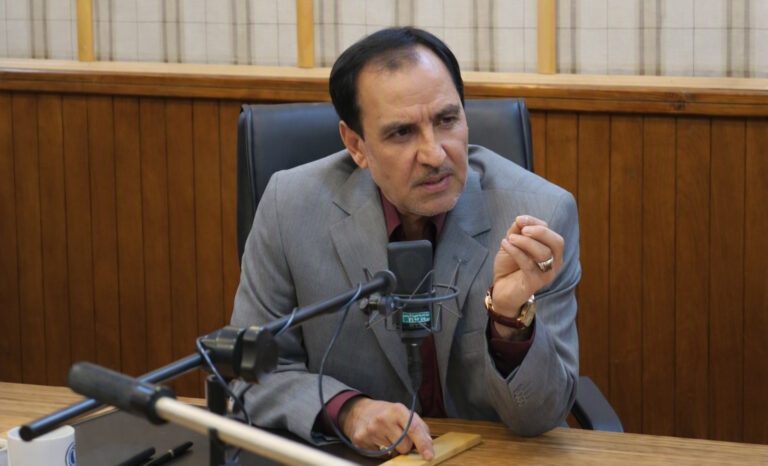
Speaking to IRAF, Mohammad Aref Rahmani, a former Afghan parliamentarian, addressed Khalilzad’s presence at the signing ceremony of the oil and gas contract between Saudi company Delta and the Taliban. He said Khalilzad’s involvement in the process cannot be viewed merely as support for an economic agreement, stressing that the Afghan people have the right to know who benefits from their country’s natural resources.
Khalilzad’s Involvement Goes Beyond the Signing Ceremony
Referring to Khalilzad’s presence at the signing of the Delta oil and gas contract with the Taliban, Rahmani said his involvement should not be interpreted simply as support for an economic agreement. Khalilzad, he noted, had not merely attended the signing ceremony but had also participated in earlier meetings and discussions with the Taliban concerning investment in the energy and gas sectors.
According to Rahmani, Khalilzad’s longstanding involvement in Afghanistan’s energy-related affairs and his connections with the Taliban raise a serious question: Has he now become a facilitator or intermediary connecting the Taliban with regional capital and economic networks?
Rahmani added that the issue extends beyond a single oil and gas contract. The Taliban is seeking to expand its financial resources and strengthen its position through economic activity, investment and broader regional relations. Therefore, he said, anyone playing a role in facilitating the Taliban’s connections with investors and economic networks warrants scrutiny.
From Political Mediator to Economic Facilitator
The former Afghan parliamentarian said there are indications that Khalilzad’s role has shifted from political mediation toward facilitating economic engagement.
Rahmani explained that Khalilzad previously served as an official U.S. diplomat and Washington’s negotiator with the Taliban. However, he is now involved, in some instances, in connecting the Taliban with regional investors and economic actors despite no longer holding an official government position.
Rahmani stressed that the economic nature of a contract should not overshadow the Taliban’s political character, its conduct or its record. In his view, investment in Afghanistan, particularly in the natural resources sector, cannot be examined entirely separately from the political structure governing the country.
He nevertheless cautioned that, without evidence, it would be inappropriate to claim that Khalilzad currently represents the U.S. government or is acting on behalf of the Taliban.
Rahmani said such allegations require clear documentation and evidence. However, Khalilzad’s longstanding role in U.S. foreign policy and his current connections raise the question of whether some of his activities could be aligned with the strategic interests of the United States and certain regional actors.
Khalilzad’s Potential Financial Interests
Addressing the possibility that Khalilzad could have a financial interest in the Delta contract, Rahmani spoke cautiously, emphasizing that no reliable evidence has so far emerged showing that Khalilzad holds a stake in the project or directly benefits from the agreement.
He stressed that allegations of financial or economic interests should not be presented as established facts without supporting evidence. Nevertheless, transparency regarding Khalilzad’s relationships and potential interests remains a fundamental issue.
According to Rahmani, Khalilzad has a history of involvement in Afghanistan’s economic and energy affairs and has remained active in economic sectors since leaving government service. His current presence in efforts to connect the Taliban with investors, he added, makes it increasingly important to clarify the relationships and potential interests behind these engagements.
The Afghan political activist said that if Khalilzad has no financial or economic interest in the project, it would be preferable for this to be publicly and transparently declared. If such an interest does exist, the Afghan people have the right to know who is profiting from their country’s natural resources and which individuals or entities are behind these contracts.
Khalilzad’s Support and U.S. Warnings: Two Different Narratives
The former parliamentarian also addressed the distinction between Khalilzad’s activities and the U.S. government’s official position on economic engagement with the Taliban.
According to Rahmani, a distinction must be drawn between Khalilzad’s personal activities and the official positions of the U.S. government. Khalilzad is not currently an official representative of the United States, he said, and his statements and actions cannot automatically be treated as Washington’s official position.
Nevertheless, Rahmani believes Khalilzad’s longstanding involvement and prominent role in U.S. foreign policy mean that his current activities cannot be viewed entirely in isolation from developments and strategic interests in the region.
He added that U.S. warnings about expanding economic engagement with the Taliban are also significant in this context. Large-scale investments in Afghanistan, if pursued without transparency and without taking the country’s governing political structure into account, could increase the Taliban’s financial resources and strengthen its political and economic capacity.
Rahmani stressed that the central concern is that Afghanistan’s natural resources could become a source of revenue for strengthening the Taliban’s governing structure and prolonging its rule, rather than serving the Afghan people.
He said Afghanistan possesses substantial natural resources and energy potential, and that contracts involving these resources should be pursued with transparency, public oversight and consideration for the interests of the Afghan people.
Otherwise, he warned, economic investment could contribute to strengthening a political structure under which a large segment of Afghan society is deprived of rights and political participation.
Unanswered Questions
Mohammad Aref Rahmani believes Zalmay Khalilzad’s presence in the process surrounding the Saudi company Delta’s contract should be examined beyond the framework of simple support for economic investment.
In Rahmani’s view, Khalilzad’s record in Afghan politics, his connections with the Taliban and his participation in energy investment-related engagements raise the question of whether his role has shifted from political mediation to economic facilitation.
At the same time, Rahmani has refrained from making unsupported allegations about Khalilzad’s financial interests or claiming that he currently has an official relationship with the U.S. government. Instead, he has emphasized the need for transparency regarding the relationships, interests and backing behind Afghanistan’s natural resource contracts.
From this perspective, the central issue is not simply which companies are investing in Afghanistan. It is also necessary to establish which actors are facilitating these investments, what interests lie behind them, and who will ultimately receive the revenues generated by Afghanistan’s natural resources and for what purposes.
Background
Zalmay Khalilzad, an Afghan-born American diplomat and politician, has been a prominent and controversial figure in U.S. policy toward Afghanistan and the wider region.
He held various diplomatic positions representing the United States at different times and played a central role in Washington’s negotiations with the Taliban. Following the end of his official government service, his activities and connections relating to Afghanistan have continued to attract attention.
Against this backdrop, Khalilzad’s presence in the process surrounding the signing of the oil and gas contract between Saudi company Delta and the Taliban has prompted debate over the economic and political dimensions of such investments.
The significance of the issue lies in the fact that Afghanistan’s natural resources, beyond their economic value, could also influence the balance of power and the financial resources available to the country’s ruling authorities.
From this standpoint, questions about the role of foreign actors and economic intermediaries in Afghanistan’s natural resource contracts extend beyond the scale of investment. They also encompass the transparency of agreements, the interests of the parties involved, the Afghan people’s share of the country’s resources, and the political and security implications of these engagements.