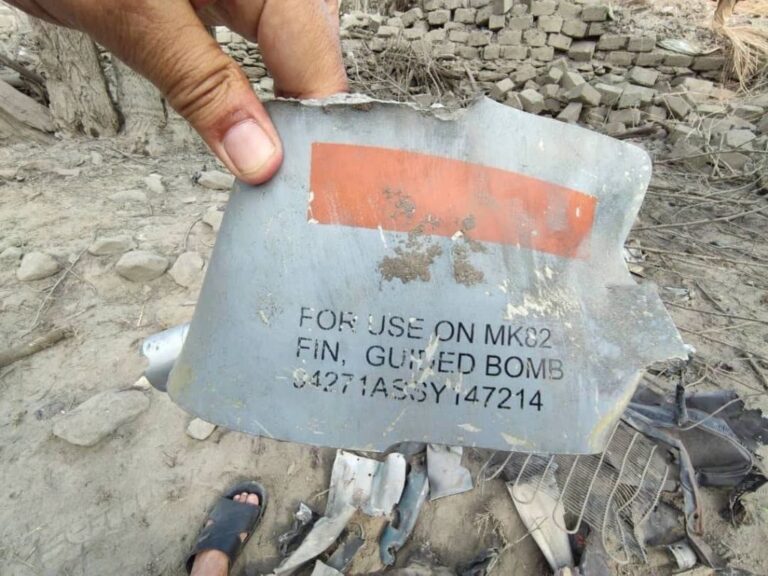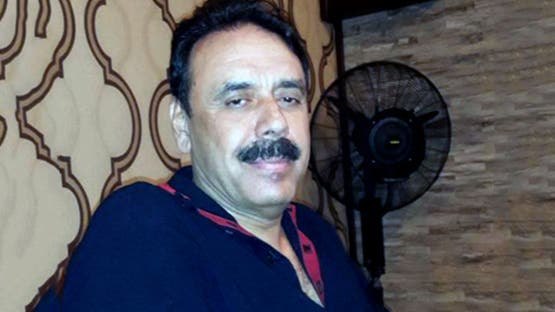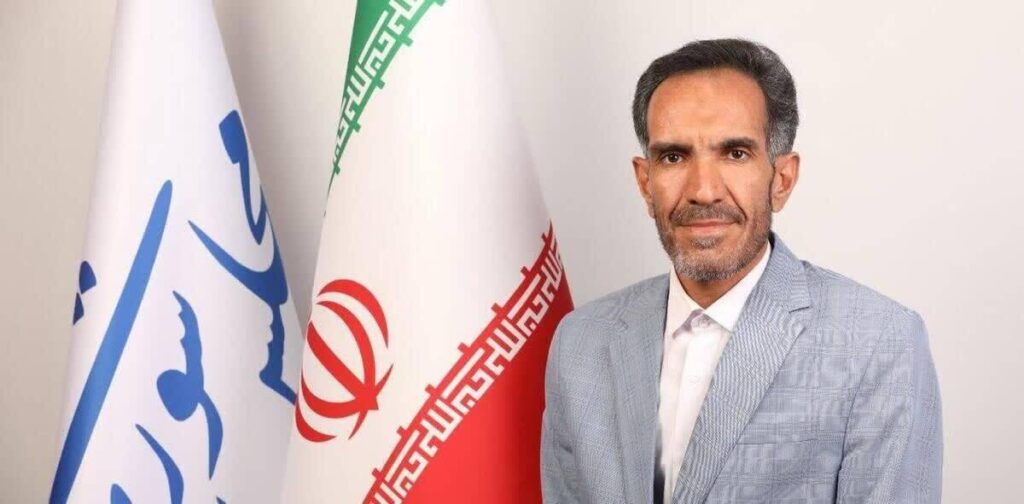
Mohammad Bayat, the parliamentary representative of Markazi Province (Khomein) and a member of the Parliament’s Internal Affairs and Councils Commission, said in an interview with IRAF that, given the intensity of the attacks on the city of Khomein, the heaviest strikes in Markazi Province have been directed at Khomein, the city of Imam Khomeini (RA). He stated that numerous attacks have targeted civilian centers.
Listing the targets of these attacks—including educational centers, camps, residential areas, shops, administrative complexes, and even recreational facilities—he described these actions as a clear example of the “weakness and humiliation of the usurping Zionist regime and its allies, the criminal United States.”
Gross Violation of Human Rights
The member of parliament emphasized that the deliberate targeting of civilian infrastructure, including schools and residential neighborhoods, constitutes a blatant violation of international laws and treaties designed to protect civilian lives during armed conflicts and is completely unjustifiable.
Bayat also referred to attacks on the country’s vital infrastructure, including power facilities and water resources, calling these actions “a blatant crimes” against the Iranian nation.
Pointing to the consequences of these attacks on people’s daily lives and the disruption of public services, he said such behavior demonstrates the “ultimate humiliation” of enemies who resort to every means to create insecurity and harm the Iranian people.
He noted that under international law, attacks on civilian infrastructure are considered criminal acts and carry severe penalties.
Resistance: The Main Asset of Victory
Emphasizing that the country’s armed forces, alongside the people, are fully present on the ground, Mohammad Bayat said: “We must continue this war until the complete destruction of colonialism and arrogance.”
Recalling the sacrifices and martyrdom of valiant Islamic commanders and resistance leaders, he described resistance as the greatest lesson this war has taught the Iranian nation.
Citing the famous saying of the martyred leader of the Revolution, Bayat stated: “Through resistance, we will always be victorious.” He described this spirit of resistance as the main factor behind steadfastness in the face of all threats.
People Should Not Worry; Infrastructure Will Be Repaired
The representative of Khomein also addressed the measures taken by the Islamic Consultative Assembly to raise public awareness and counter these threats, saying: “We are all present in the field, and we are ready to serve and stand firm until the last drop of our blood.”
He reported on-the-ground visits by officials, including the Deputy Minister of Education and the head of the Organization for the Renovation, Development, and Equipping of Schools, and the issuance of necessary orders for the immediate assessment of damages, stating that “all this destruction will be repaired and rebuilt.”
These actions, he said, demonstrate the serious determination of officials to support affected areas and restore calm to people’s lives.
Renewing Allegiance to the Ideals of Palestine and Recalling the Lessons of Resistance
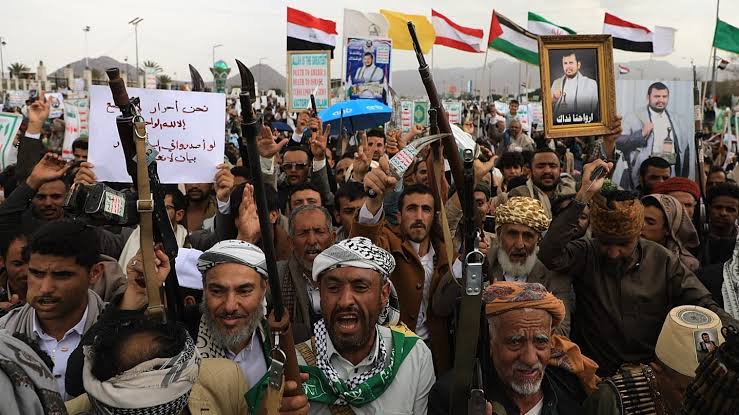
This member of parliament pointed to the massive public participation in Quds Day rallies, saying that this presence should be viewed as a renewal of allegiance to the lofty ideals of Palestine, honoring the blood of martyrs, and declaring solidarity with the Resistance Front.
Bayat also spoke of the Iranian nation’s firm resolve to confront these threats and advised: “The streets—street by street—are your battlefield.” He concluded by calling for increased public vigilance against these plots and urging people not to be deceived by hostile media.
Observers say that with the weakening of the enemy’s direct combat capabilities, its strategy has shifted toward asymmetric attacks and damage to vital infrastructure. This new tactic, aimed at creating insecurity, disrupting daily life, and undermining public morale, particularly targets key facilities such as power grids, communication systems, and energy centers. Although these types of attacks may not result in large numbers of direct casualties, they primarily produce social consequences and psychological warfare effects.