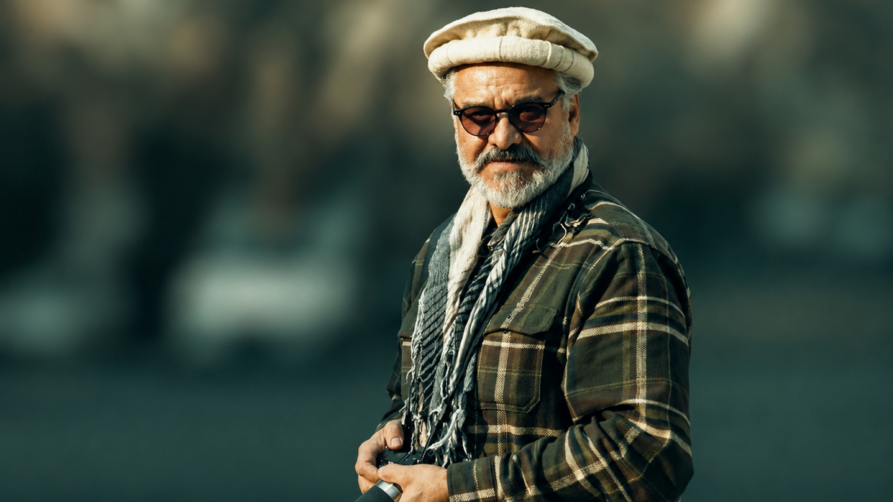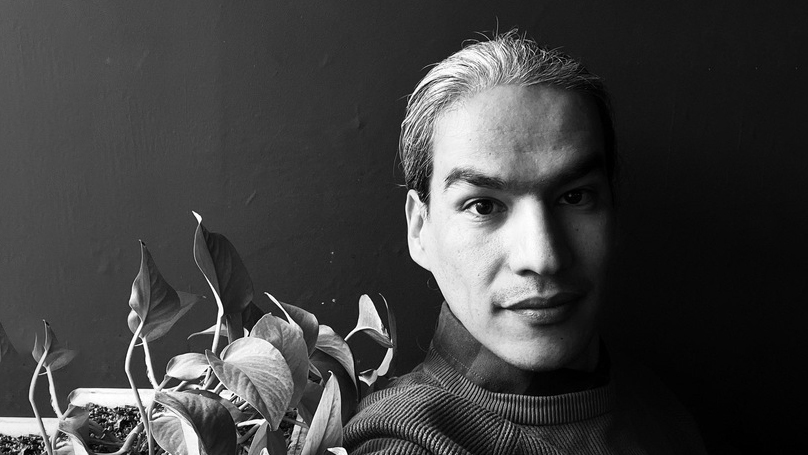
On August 19, World Photography Day, Mustafa Rajaei, an Afghan migrant photographer and head of the Golshahr Photographers Group, stressed the need for an independent visual narrative of Afghanistan, saying that despite efforts to document realities on the ground, Afghanistan has never been adequately seen from all perspectives of its society, culture and human life.
In an exclusive interview with IRAF, Rajaei said: “Photographers in Afghanistan have documented an important part of the realities of society, but they have not always reflected the whole reality.”
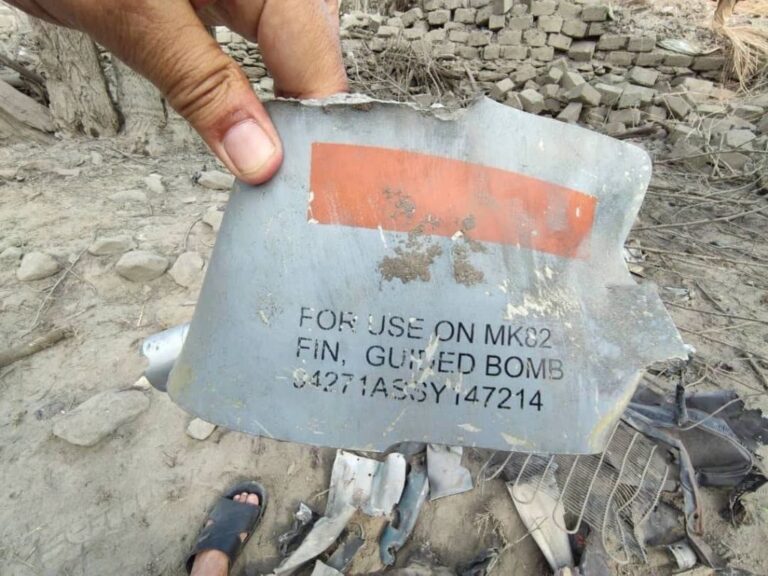
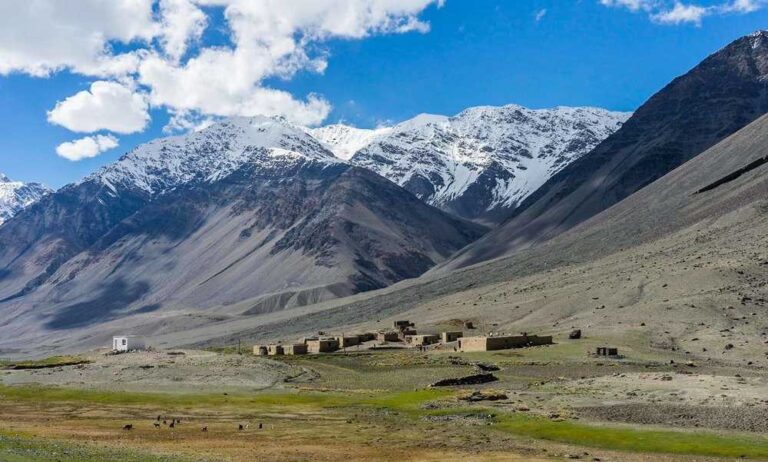
He added: “At times, the perspective of the media and foreign audience has led Afghanistan to be seen primarily through the lens of war, poverty and crisis, and the narratives constructed about the country have, in many cases, been influenced more by the perspective of the media or the policies of their own countries than by a reflection of the full reality of Afghanistan.”
Rajaei stressed that there is an important distinction between “documenting reality” and “constructing a narrative from reality.”
He said: “A photographer can document a reality, but the choice of subject, perspective, timing of publication and the context in which a photograph is presented all influence the final narrative formed around that reality.”
Asked about the impact of migration on Afghan photographers, he said: “Migration is both a threat and an opportunity. It is a threat because the photographer becomes separated from their original geography and some of their subjects; but at the same time, it is an opportunity because from the outside, they can narrate Afghanistan and migration more freely and from a different perspective.”
The migrant photographer continued: “However, in my personal view, a photographer who has moved away from the place of pain and the real life of their subjects loses, to some extent, their effectiveness and direct connection with that environment. They may no longer be able to recreate works they produced there with the same quality and depth, unless they return to that same geography and to the heart of the pain.”
Asked why Afghanistan’s visual narrative has often been shaped through the perspective of foreign photographers, Rajaei said: “Perhaps one of the reasons is that a large part of Afghanistan’s visual narrative has still been in the hands of foreign media and photographers.”
He added: “Afghan photographers have not had sufficient opportunities, support or access to create and present long-term and independent narratives, and this has caused a significant part of Afghanistan’s image to be constructed from outside and from the perspective of others.”
Rajaei stressed the need to strengthen an indigenous Afghan narrative, saying: “Afghan photographers should create the narrative of Afghanistan from their own perspective; a narrative that goes beyond war and poverty.”
The Afghan photographer said: “Everyday life, culture, hopes, failures, achievements, migration and social changes in Afghanistan are also part of the reality of this country and should be seen and documented through the lens of Afghan photographers.”
Rajaei also addressed the role of migrant photographers in strengthening Afghan photography, saying that photographers who have migrated can contribute to the development of photography in Afghanistan through training, sharing experience, building professional networks, supporting photographers inside Afghanistan and introducing their work to international media and institutions.
He pointed to the difficult conditions facing photographers in Afghanistan, adding that security and economic restrictions, the absence of independent media, and difficulties accessing equipment and training are among the major challenges confronting photographers today.
He stressed that reviving Afghan photography requires safe spaces, financial and professional support, and stronger connections between photographers inside and outside the country.
Asked about his biggest concern for the future of Afghan photography, the head of the Golshahr Photographers Group said: “My biggest concern is that the image and narrative of the people of Afghanistan will be forgotten; that Afghanistan will only be seen in times of crisis while its life and people are overlooked.”
He added: “Another concern of mine is that if we do not document the lives of Afghan migrants outside the country today, part of the history and visual memory of a generation will disappear; a generation that carries with it the experience of migration, separation from its homeland and life in another land.”
Rajaei concluded: “Photography is not merely the recording of a moment; it is part of the memory of a society, and if the lives of the people of Afghanistan and Afghan migrants are not documented today, part of the reality and memory of a generation may be lost forever.”