Afghanistan’s decades of war and crisis have heavily shaped the country’s image in the international media, while its history, culture, art, architecture and natural beauty have received far less attention.
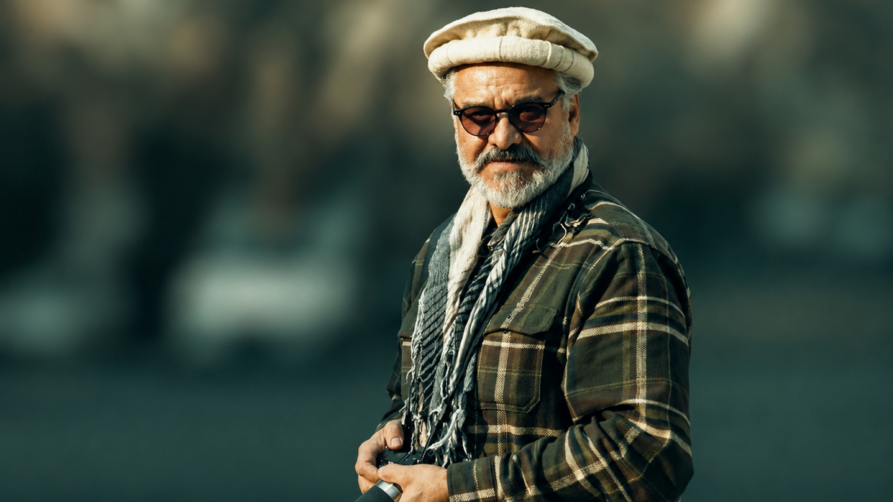
Veteran Afghan photographer Mohammad Musa Akbari says the country has never had sufficient space for professional and independent photography to develop. He argues that much of the photography produced in Afghanistan over the past several decades was shaped by foreign media demand for images of war, poverty and destruction, leaving other aspects of the country largely unseen.
Speaking to IRAF in an exclusive interview on World Photography Day, Akbari said Afghanistan had lacked a suitable environment for the development of professional photography for decades.
“If we examine the history of photography in Afghanistan over the past decades, we see that there has not been a suitable environment for the growth of professional photography in the country.”
He said photography was not offered as a field of study at Afghanistan’s Faculty of Fine Arts for many years, meaning that many people who entered the profession were either amateur photographers who pursued their interest independently or journalism graduates who had some familiarity with photography.
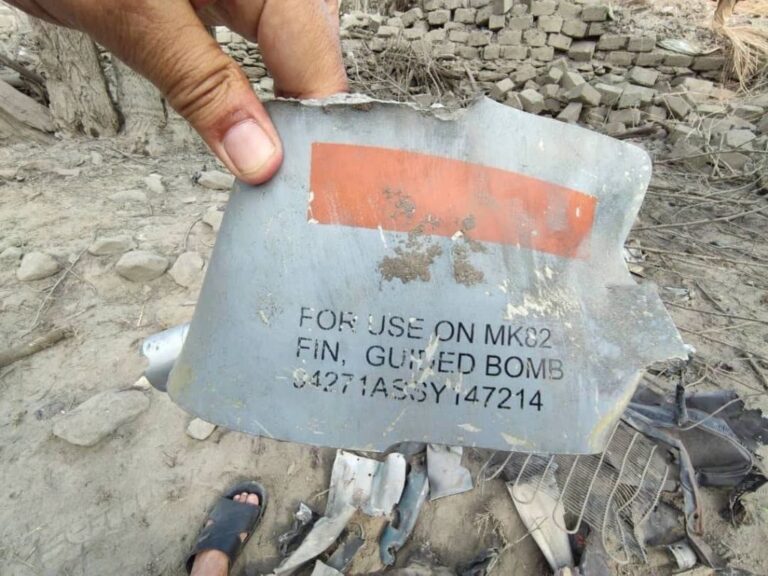
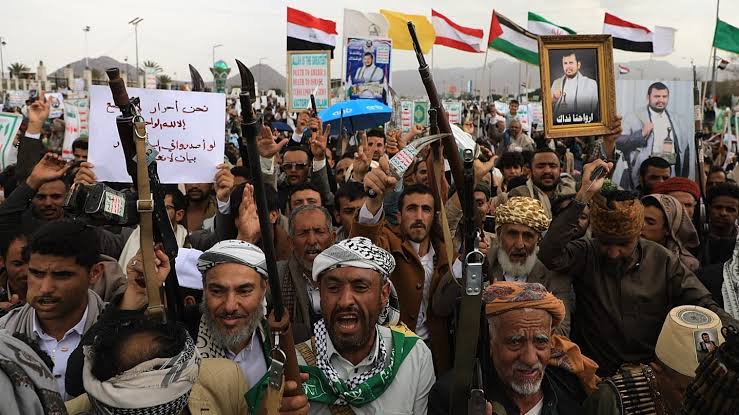
Media have created a dark, war-torn image of Afghanistan
Akbari said a significant number of Afghan photographers worked in news photography, partly because of economic pressures and the lack of professional opportunities.
“Many of these people turned to news photography because of economic needs and the lack of professional opportunities; on the other hand, foreign media and audiences were more interested in images of war, poverty, destruction and crisis in Afghanistan. As a result, the dominant image of Afghanistan in the minds of the world’s public has become intertwined with war, hunger, poverty and devastation.”
“Unfortunately, as a result of this process, fewer positive images of Afghanistan were produced and published, and what was represented in the world’s media was largely a war-torn and crisis-ridden face of the country.”
Akbari stressed that there is a difference between documenting reality and constructing a narrative about reality.
“Of course, war and destruction are also part of Afghanistan’s reality and cannot be ignored, but the problem arises when the entire reality of Afghanistan is reduced to this part.”
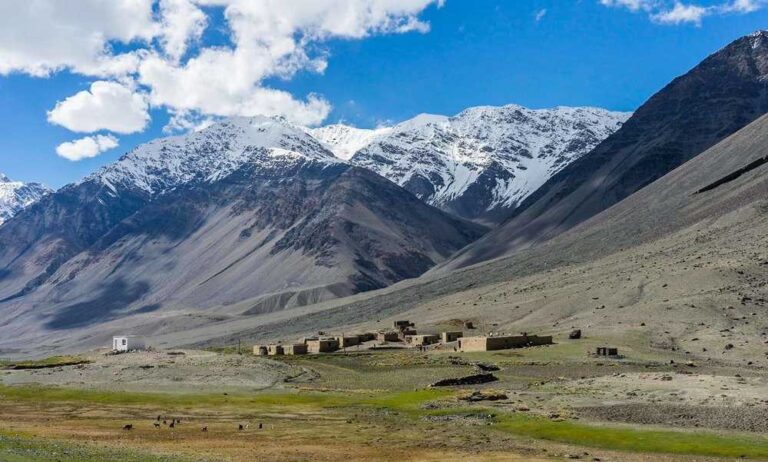
“Afghanistan is not just war, poverty and hunger; this country has history, culture, art, architecture, nature, and diverse ethnic groups and cultures, each of which can be a serious and valuable subject for a photographer.”
Drawing on his own experience of living in Iran, Akbari said he had long encountered a perception that associated Afghanistan with manual labor, war, hunger and crisis.
“For years, I have experienced this kind of perception that Afghanistan in the minds of many people in Iran is equated with a simple laborer, war, hunger and crisis, and this has been painful for me.”
He also questioned the way the relationship between Iran and Afghanistan is sometimes described in terms of “shared” elements.
“As for the relationship between Iran and Afghanistan, people sometimes speak of ‘commonalities,’ whereas in my view, this expression is not quite accurate; because the historical, cultural and linguistic ties between the two countries are so deep that many cultural and historical elements between Iran and Afghanistan are not merely shared, but are essentially part of a single civilizational sphere.”
Despite these deep historical and cultural ties, he said, they had not necessarily resulted in an accurate understanding of Afghanistan in Iran.
“Many people in Iran do not know Afghanistan properly, and the image they have of this country has been shaped largely by media narratives of war and crisis.”
‘My goal in photography is to introduce Afghanistan’s beauty’
Akbari said his desire to challenge this dominant image was one of the reasons he began focusing on photographing Afghanistan.
“For this reason, I entered the field of Afghan photography so that I could document the beauty and lesser-seen aspects of Afghanistan and provide a more accurate picture of the realities of my country.”
He said images of war and destruction had also been part of his work, but he had sought to avoid reducing Afghanistan to conflict.
“Images of war and destruction have also been part of my work, but I have tried not to reduce all of Afghanistan to war and devastation and, contrary to the dominant wave of storytelling, to also introduce the positive aspects of my country.”
Breaking Afghanistan’s established image, however, is difficult, he said, particularly when the audience have been exposed to the same narrative for years.
“When a particular narrative about Afghanistan is presented to an audience over the years, changing it is not easy. Media outlets usually look for breaking news, and often these stories, which are about war, explosions and crises, attract more audiences.”
“Under such circumstances, even a photographer who enters Afghanistan with an artistic intention may inadvertently fall within the same framework; because the media outlet that finances the travel and production of the work usually asks the photographer to document what is more appealing to its audience.”
Foreign photographers and the portrayal of Afghanistan
Akbari also discussed the role of foreign photographers who have worked in Afghanistan, including Steve McCurry and Reza Deghati.
“Photographers such as Steve McCurry and Reza Deghati owe part of their professional identity and reputation to photographs they took in Afghanistan, but if we examine their body of work, a significant portion of these images relates to war and the crisis-ridden face of Afghanistan.”
“These photographers could have portrayed other parts of Afghanistan alongside documenting war and crisis; but the media environment and the nature of existing demand caused the narrative of war and destruction to receive greater attention.”
Economic constraints, Akbari said, also limited the ability of Afghan photographers to produce independent projects.
“Many Afghan artists did not have the financial means necessary to travel to different parts of the country and produce independent collections. Those who had financial resources may have been pursuing other objectives.”
“As a result, those who went along with the media wave were seen more widely, while those who tried to move against this wave and introduce Afghanistan from the perspective of art and beauty became less known.”
Afghanistan has not been properly introduced
Akbari said he began his serious work in Afghanistan in 1992, at a time of major political change in the country.
“I entered Afghanistan in 1992 and began my serious work in the field of Afghan photography. This period coincided with the fall of the communist government and the victory of the mujahideen, and my wish was that alongside documenting political developments, I would also photograph Afghanistan’s historic buildings, nature, tourist attractions and beauties.”
“One of my main concerns at that time was why Afghanistan was not being properly introduced. I even felt this gap in the university environment and saw that there was not a proper understanding of Afghanistan’s history, culture and art.”
He pointed to what he described as gaps in historical and cultural knowledge about Afghanistan.
“Many do not even know what place the Herat school of miniature painting holds, what background Balkh has in civilization and art, or what position Ghazni held in different periods.”
“If we speak with some Iranian researchers, they may not even have much information about the Ghurid art or may not have heard its name; whereas valuable works from that period exist in Afghanistan, and examples of its turquoise tilework and architectural art can be seen in the Minaret of Jam.”
Akbari said Afghanistan’s ethnic diversity, traditional clothing and customs also offered an extensive range of subjects for photographers.
“Afghanistan’s various ethnic groups, with their different cultures, clothing and traditions, are themselves a vast collection of photographic subjects. Afghanistan’s nature, historic architecture, old cities and even the daily lives of its people also have great potential for producing artistic works.”
He said the country’s political situation and the setbacks it had experienced over the past four or five decades could also be important subjects for photography, but should not overshadow its positive aspects.
“Of course, the political situation and the backwardness that Afghanistan has faced over the past four or five decades are also important subjects for photography, but the issue is that alongside the negative points, the beauties and positive realities of Afghanistan should also be seen.”
The responsibility of Afghan artists
Akbari said Afghan artists themselves also bore some responsibility for the way the country has been portrayed.
“Part of the responsibility for this situation lies with us as artists of this land. Unfortunately, instead of using their presence in the media as an opportunity to introduce their country, some Afghan artists turned Afghanistan into a springboard for their personal advancement and, in order to build a political or professional profile, focused more on displaying the dark face of the country.”
“If an artist publishes two war and news photographs from Afghanistan, alongside them they can also present two photographs of Afghanistan’s history, culture, nature or progress; but this has happened less often.”
He also said Afghan journalists and news organizations had an important role to play in changing the country’s image.
“Journalists and news agencies in Afghanistan have a major responsibility in this regard and should work to properly introduce the country and shed light on the lesser-seen dimensions of Afghanistan, but unfortunately, a large part of the media community is also caught up in day-to-day issues and their own professional problems.”
French ambassador: ‘I explored and came to know Afghanistan through Akbari’s photographs’
Akbari recalled his first exhibition in Afghanistan, held in 2006 under the title “A Familiar Look” at the French Cultural Center at Lycée Esteqlal.
“My first exhibition in Afghanistan, titled ‘A Familiar Look,’ was held in 2006 at the French Cultural Center at Lycée Esteqlal. The Afghan Minister of Information and Culture and the French ambassador attended the opening ceremony, and Reza Deghati also took part in the event.”
He said the French ambassador spent about 90 minutes viewing the photographs one by one with an interpreter and asking questions about them.
“The French ambassador spent about an hour and a half with his interpreter looking at each photograph and asking for explanations about them. At the end, he said, ‘I explored and came to know Afghanistan through the photographs of Musa Akbari.’”
Akbari said the ambassador then asked whether the photographs had been exhibited elsewhere.
“The French ambassador asked me whether I had exhibited these photographs anywhere else. When I said this was my first exhibition, he suggested that my next exhibition be held in France and asked Reza Deghati to help make this happen.”
Akbari said that the following day they went to the Ayeneh Cultural Center, where he was offered a proposal to hand over the original negatives of his photographs in return for receiving 20 percent of the proceeds from any sales.
“The next day we went to the Ayeneh Cultural Center, and eventually I was offered a proposal to hand over the original negatives of my photographs and, if the works were sold, 20 percent of the income would be paid to me. I did not accept this proposal and thanked them.”
He also recalled an encounter with a BBC journalist during the mujahideen period.
“During one of my photography trips, I happened to travel along the same route as one of the BBC journalists. After a while, he asked me why I did not work for the BBC and said that both my photographs would be archived and I would receive money and my work would be introduced.”
Akbari said he rejected the offer because it would have meant working according to the broadcaster’s priorities.
“I replied that I photograph for myself and my goal is to show the beauty of Afghanistan; if I photograph for the BBC, I would have to photograph what the BBC wants.”
“I told him I preferred to take and archive my photographs for myself so that if one day conditions emerged in Afghanistan in which Afghans themselves could introduce their country, I could use this archive.”
‘Let us see Afghanistan’s beauty’
Akbari said changing the image of Afghanistan required showing the country in its entirety rather than focusing exclusively on conflict.
“I hope that one day the true face and beauty of Afghanistan will be seen and introduced and that people’s perception of this country will change.”
“I would like the day to come when, upon entering an embassy, hotel or cultural center, instead of seeing only images of war and destruction in Afghanistan, we also see photographs of the nature, historic buildings, cities and beautiful places of this country on the walls.”
“Afghanistan does not need only a narrative of war to be introduced; this country must be seen in all its reality; both its suffering and crises and its beauty, history, culture and people.”