Kazem Homayoun, an environmental and pollution economics expert, writes that official estimates of the cost of the U.S. war with Iran fail to capture a significant part of its broader economic and environmental burden. The costs being reported today for military operations are not the end of the bill, but the beginning of it. Missiles and bombs are only the most visible part of the expense. Replenishing weapons stockpiles, rebuilding bases, expanding arms production, servicing war debt, treating injured personnel, absorbing energy shocks, rising insurance and transportation costs, psychological pressure and climate-related damage will all continue long after the fighting stops.
The Center for Strategic and International Studies (CSIS) estimates the direct cost of military operations at around $34 billion to $42 billion. But that figure should not be regarded as the war’s final price tag. If the costs are assessed over a one- to two-decade horizon and from economic, social and environmental perspectives, I believe it is entirely plausible that the total burden could exceed half a trillion dollars.
That figure is not a daily bill. Rather, it represents an estimate of the accumulated burden the war could place on government budgets, society, the economy and future generations.
1. Direct costs: The war does not end when the missiles stop
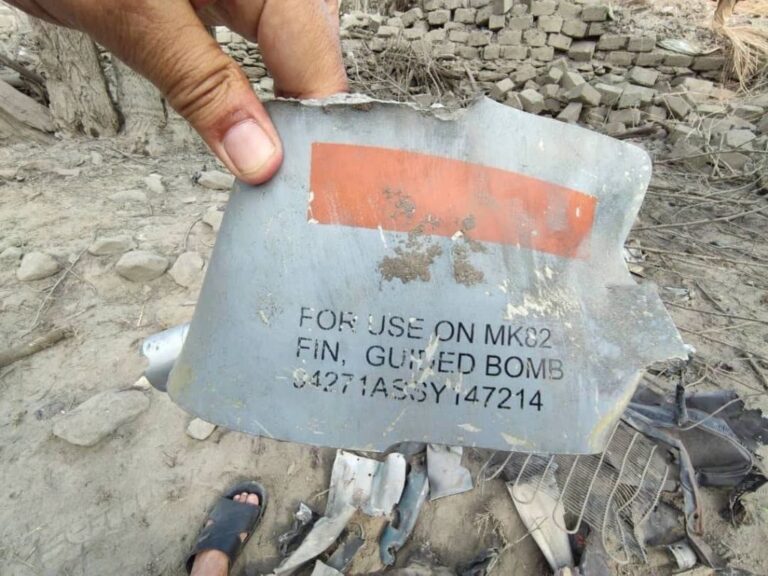
The direct cost of war extends far beyond the price of the ammunition fired. CSIS estimates the cost of operations at approximately $34 billion to $42 billion, with nearly $26 billion attributed to munitions.
After the fighting ends, the United States will have to replenish missile and defense stockpiles, repair damaged equipment and expand the production capacity of its defense industry. Major contracts aimed at increasing missile production indicate that the war’s financial bill will continue even after military operations have ended.
2. Debt and interest: Future generations pay for today’s costs
If a war is financed through borrowing, the government pays more than the initial cost; interest payments can weigh on public finances for years.
The experience of U.S. wars following the September 11 attacks has shown that the costs of medical care, retirement and support for wounded service members can continue for decades. The cost of war, therefore, should be assessed not only by the amount withdrawn from the treasury in a given year, but also by the future obligations it creates.
3. Climate costs: War-related pollution comes with a bill
From the perspective of pollution economics, war is among the most polluting forms of economic activity. Military aircraft, ships and vehicles, the production of munitions, and the refining and transportation of fuel all consume large amounts of energy and fossil fuels.
These emissions are not fully reflected in government military accounts, but their costs are imposed on society. Every additional ton of greenhouse-gas emissions contributes to heat, drought, floods, wildfires, agricultural damage and pressure on infrastructure.
The United States is already facing hundreds of billion-dollar weather and climate disasters. Adding war-related emissions to that burden creates a real cost that will be carried across generations.
4. War-related anxiety: A cost missing from defense budgets
War affects more than soldiers on the battlefield. Military families, Americans with relatives in the region, business owners and millions of people following daily reports of attacks, missiles, oil prices and the possibility of an expanding conflict can all face psychological pressure.
As a pollution economics expert, I consider this part of the war’s broader social cost. Anxiety, sleep disruption, reduced concentration, increased demand for medical and mental-health services and lower labor productivity can all generate real economic costs.
Not every anxiety disorder can be attributed to war. But in a society already facing a significant burden of anxiety-related problems, war can intensify that pressure.
5. Climate anxiety: Where war and environmental crisis intersect
Americans are facing concerns about war at the same time as rising energy prices, wildfires, floods and extreme heat. These two forms of uncertainty can reinforce feelings of insecurity.
A family worried about gasoline prices and war-driven inflation may also be concerned about home insurance, wildfires or flood risks. These are costs that do not appear on a military balance sheet, but they are nevertheless part of the broader economic burden.
A healthy economy must account for these social costs as well.
6. Oil and the Strait of Hormuz: From the Middle East to American households
Any disruption to the movement of oil and gas through sensitive regional routes can push energy prices higher. Rising oil prices can quickly feed into transportation, food, industrial production and household expenses.
This impact is not necessarily limited to a short-term shock. If uncertainty persists, companies may face higher costs for storage, insurance and alternative routes, with consumers ultimately absorbing part of the increase.
7. Opportunity cost: Every dollar spent on war is a choice foregone
Money spent on war cannot simultaneously be spent on infrastructure, education, healthcare, clean energy or climate adaptation.
That is the opportunity cost of war. In a country such as the United States, which faces high public debt and substantial investment needs, redirecting resources toward war means postponing some civilian investments.
8. The arms market: War puts U.S. technology to the test
The United States remains the world’s largest arms exporter, and war can generate demand for certain weapons systems. But the battlefield also serves as a test of military technology.
If foreign buyers conclude that some expensive systems are vulnerable to drones and cheaper threats, future procurement patterns could change. The war could therefore reshape rather than necessarily destroy the U.S. arms market, creating economic and reputational costs for some parts of the defense industry.
9. The human cost: A soldier may leave the battlefield, but the war may not leave him
Physical injuries, psychological trauma, rehabilitation and medical care can continue for decades.
The experience of U.S. wars following September 11 has shown that obligations toward veterans can eventually reach trillions of dollars. Those figures do not represent the cost of the Iran war, but they provide a clear warning: the human cost of war does not end when military operations stop.
10. Insurance, transportation and supply chains
Higher risks along maritime routes can increase insurance premiums for ships and cargo. Rerouting vessels can also increase travel times and fuel consumption, ultimately raising costs for importers, producers and consumers.
As a result, an attack in the Middle East can contribute to higher prices for goods in an American city thousands of miles away.
11. Geopolitical costs and trust
War also carries costs in terms of credibility and trust.
If U.S. allies conclude that the security costs of cooperation with Washington have increased, they may reconsider their energy policies, arms purchases and economic relationships. At the same time, war could strengthen some alliances.
The key point is that the cost of credibility and trust cannot be measured like the price of a missile, but it cannot simply be ignored.
12. Why half a trillion dollars?
If the direct cost of the war is estimated at around $40 billion, it is clear that a half-trillion-dollar burden would not materialize in the first days of the conflict.
The figure becomes meaningful when the costs of the next one to two decades are taken into account: rebuilding weapons stockpiles and bases, expanding military production capacity, servicing war debt, medical care, energy shocks, insurance and transportation costs, opportunity costs, psychological pressure and the social costs of pollution.
As a senior pollution economics expert, I believe that within this framework, a total cost exceeding half a trillion dollars is not an exaggeration but a defensible economic scenario—particularly if the war becomes prolonged or its effects on energy and global trade persist.
Conclusion
The true cost of the U.S. war with Iran cannot be reduced to announced figures for military operations. Once the missiles stop, the war enters a second phase: rebuilding, debt repayment, treatment of those injured, absorbing energy shocks, paying higher insurance costs, making up for lost opportunities and passing climate-related damage on to future generations.
The estimated $34 billion to $42 billion in direct operational costs represents only the visible layer of the bill. When the costs are assessed over a one- to two-decade horizon and from economic, environmental and social perspectives, a total burden exceeding half a trillion dollars is entirely plausible.
On a global scale, disruptions to energy supplies, trade and supply chains could generate an even larger economic impact.
The war does not end when the missiles stop. That is when the real bill begins. Much of that bill will not appear in defense budgets, but will instead be paid through energy prices, taxes, debt, insurance premiums, mental-health costs, environmental damage and lost opportunities for future generations.
Sources
- Center for Strategic and International Studies (CSIS), estimates of the cost of U.S. military operations in the Iran war, 2026.
- Center for Strategic and International Studies (CSIS), updated estimates of operational costs during the early days of the war, 2026.
- U.S. Defense Security Cooperation Agency, arms sales and transfers, fiscal year 2025.
- National Oceanic and Atmospheric Administration (NOAA), data on billion-dollar weather and climate disasters.
- U.S. Centers for Disease Control and Prevention (CDC), data on mental health and anxiety disorders.
- Brown University, Costs of War Project, estimates of the costs of post-9/11 wars and veterans’ obligations.
- U.S. Environmental Protection Agency (EPA), estimates of the social cost of greenhouse-gas emissions.