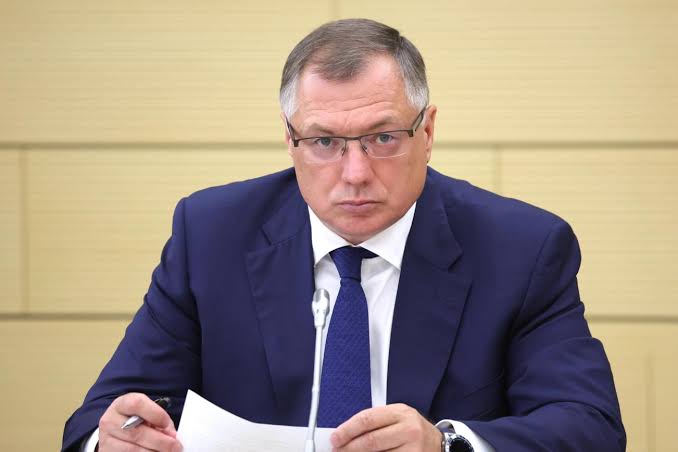
Russia is exploring overland routes through Central and South Asia to secure access to the Indian Ocean, with a proposed rail corridor via Turkmenistan, Iran, Afghanistan and Pakistan emerging as a potential alternative to vulnerable maritime chokepoints such as the Strait of Hormuz and the Bosporus, Russian Deputy Prime Minister Marat Khusnullin said.
As reported by IRAF, speaking to Russia’s state-run TASS news agency, Khusnullin said Moscow needed to seriously consider land-based routes connecting Russia with the Indian Ocean, arguing that geopolitical tensions had made traditional maritime corridors increasingly unreliable for trade and energy transportation.
“Any route that connects Russia with India would be suitable,” Khusnullin said, referring to possible routes passing through Turkmenistan, Iran, Afghanistan and Pakistan.
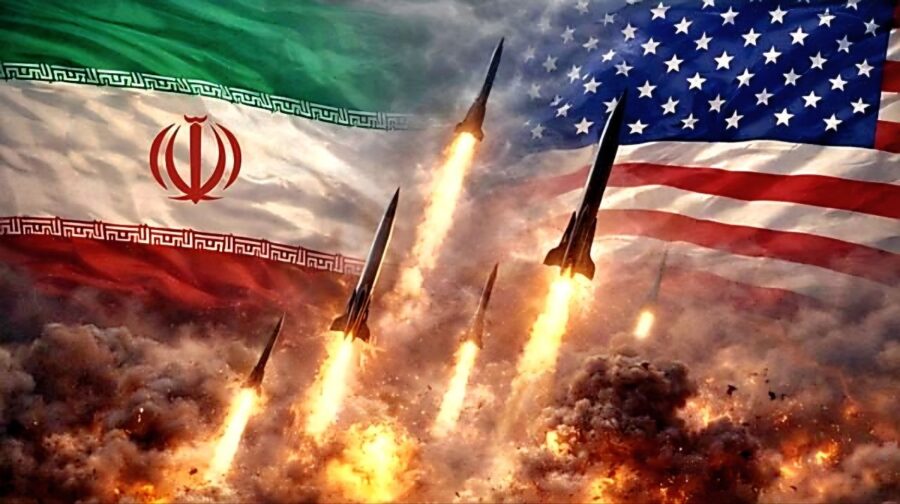
The proposal comes amid escalating military tensions between Iran and the United States, which have severely disrupted traffic through the Strait of Hormuz, one of the world’s most important energy corridors.
Analytical data suggests that only a handful of oil tankers have passed through the waterway in recent weeks, compared with more than 120 to 140 vessels that previously transited the strait daily before the outbreak of hostilities.
The Strait of Hormuz has long served as a critical artery for global energy supplies, with roughly a quarter of the world’s oil and gas shipments passing through the narrow waterway. But the conflict has transformed the strait into a geopolitical pressure point, prompting countries such as Russia to accelerate efforts to develop alternative trade routes.
While Washington has sought to keep maritime routes open, Tehran has relied on its strategic geographic position to maintain influence over the vital passage, increasing uncertainty for global trade and encouraging greater focus on land-based corridors.
Afghanistan’s strategic role and security challenges
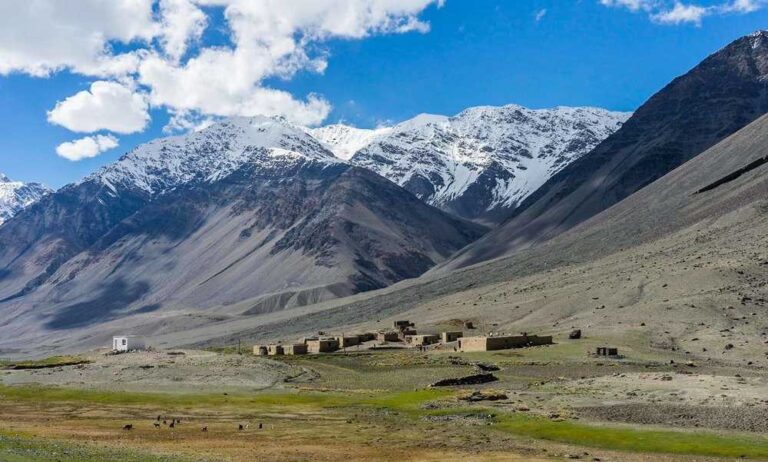
Afghanistan has once again drawn attention because of its geographic position linking Central Asia, Iran and South Asia. The country could serve as a key transit hub connecting northern markets with ports on the Indian Ocean.
However, analysts say political instability, limited international confidence in the Taliban government and weak infrastructure remain major obstacles to large-scale investment and transportation projects.
Despite these challenges, Afghanistan continues to feature prominently in regional connectivity plans, with several countries seeking to use its territory to gain access to southern trade routes.
Geopolitical implications
If Russia’s proposed rail corridor through Turkmenistan, Iran, Afghanistan and Pakistan becomes a reality, it could reduce Moscow’s dependence on vulnerable maritime routes, strengthen Iran’s role as a Eurasian transit hub, increase Afghanistan’s strategic importance and create a new channel for trade and energy flows between Russia and India.
The project could also complement the broader North–South Transport Corridor, reducing Russia’s reliance on routes affected by geopolitical tensions.
Major obstacles ahead
Despite its strategic appeal, the proposed route faces significant challenges, including Afghanistan’s security situation, strained relations between Kabul and Islamabad, and the lack of an integrated regional railway network.
Previous regional projects, including the Turkmenistan-Afghanistan-Pakistan-India (TAPI) pipeline, have highlighted the difficulties of implementing major infrastructure initiatives in Afghanistan without long-term political stability.
Russia’s push for a rail connection to the Indian Ocean reflects Moscow’s search for resilient trade routes amid growing geopolitical uncertainty. While a corridor through Iran and Afghanistan offers a geographically viable link to South Asia, its success depends on security, major investment and political coordination among the countries involved. If implemented, the ambitious project could reshape regional trade patterns and elevate Afghanistan’s role in Eurasian connectivity.