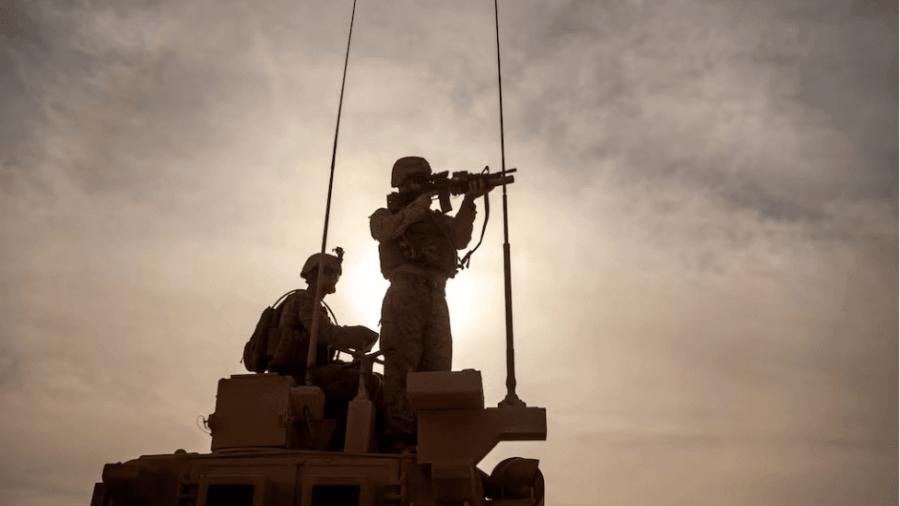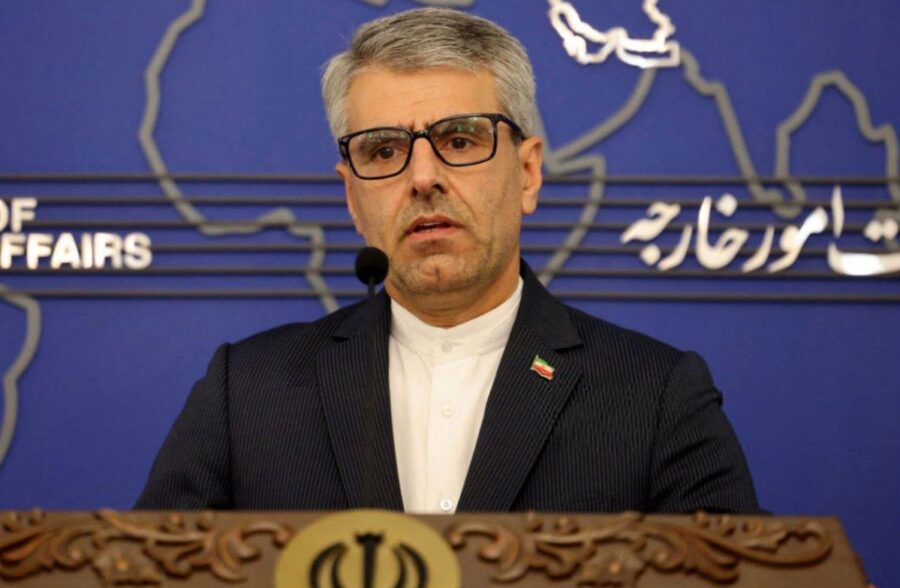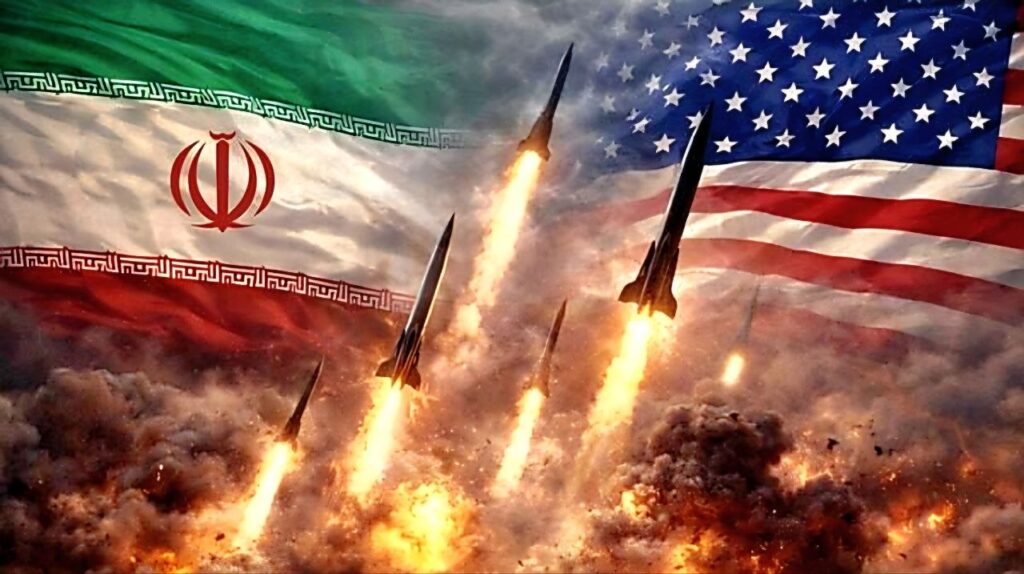
The military confrontation between the Islamic Republic of Iran and the United States expanded overnight into early Friday (July 31, 2026), with missile exchanges, continued disruption of energy shipping routes and growing signs of strategic uncertainty in Washington, according to developments reported over the past 24 hours.
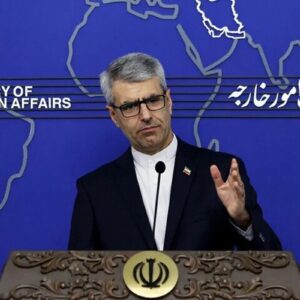
According to IRAF, the latest developments indicate that despite diplomatic efforts by several regional countries, the conflict has expanded beyond missile exchanges to affect maritime security and the broader balance of power.
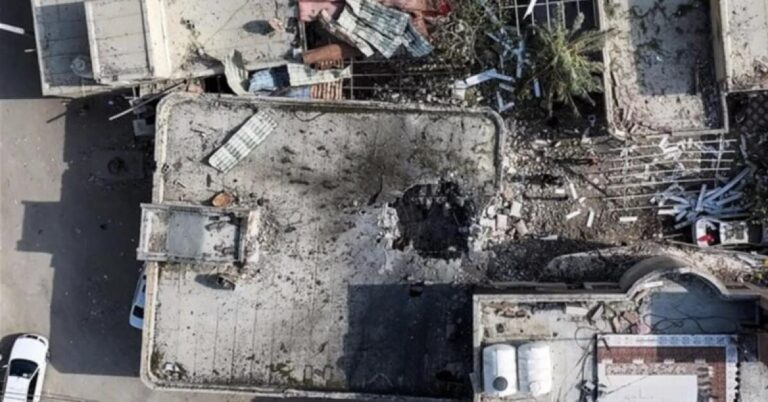
Early Thursday (July 30), U.S. airstrikes on Iran’s Qeshm Island destroyed two residential houses and killed three members of a family, according to the report.
In response, the Islamic Revolutionary Guard Corps (IRGC) said its Aerospace Force launched several ballistic missiles at the Al Azraq Air Base in Jordan later that morning, targeting maintenance hangars and aircraft shelters used by U.S. F-35 fighter jets.
The IRGC claimed the strike completely destroyed three F-35 aircraft and inflicted heavy damage on three others.
The U.S. Central Command (CENTCOM), however, denied Iran’s claims, saying no American aircraft had been damaged at Al Azraq Air Base and asserting that all incoming projectiles had been intercepted by air defense systems. Jordan’s military also said it had shot down five missiles that entered the country’s airspace.
NBC News reported on Thursday, citing officials familiar with discussions in Washington, that U.S. President Donald Trump expressed anger during a recent meeting with senior military and national security advisers over the prolonged conflict and the lack of a clear strategy to end the fighting.
According to the report, Trump acknowledged that extracting concessions from Tehran had proved far more difficult than initially anticipated.
It added that uncertainty over Washington’s ultimate objective — whether dismantling Iran’s nuclear program, forcibly reopening the Strait of Hormuz or eliminating Iran’s missile capabilities — had left the United States facing a strategic deadlock.
One U.S. official told NBC News: “We have achieved multiple tactical victories on the battlefield, but without a clear objective, we are moving toward a strategic defeat.”
In the maritime domain, field reports indicated that two commercial oil tankers failed to pass through the Strait of Hormuz under the protection of U.S. aircraft on Thursday night. A fire aboard one of the vessels reportedly forced both tankers to withdraw.
The IRGC said Iranian forces remained in control of the Strait of Hormuz and that the waterway would not be reopened until U.S. threats had ended.
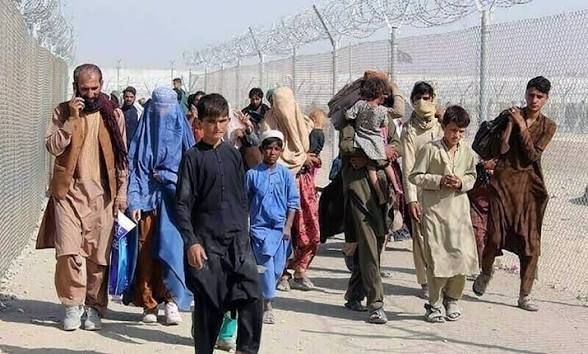
Meanwhile, The Wall Street Journal reported that the prolonged closure of the Strait of Hormuz — through which 20% of the world’s oil passes each day — had pushed global oil prices above $95 per barrel and caused significant inflationary pressure on fuel markets in neighboring countries, including Afghanistan.
Separately, Axios reported that Washington’s efforts to persuade Arab countries to establish alternative security coalitions in the Red Sea reflected the failure of previous initiatives to secure maritime navigation against reciprocal attacks.
Following a Reuters report claiming that Iran and China had reached an agreement for the delivery of 300 to 400 QW-12 and FN-16 man-portable air defense systems through Pakistan, China’s Ministry of National Defense issued an official response on Thursday.
Jiang Bin, spokesperson for China’s Ministry of National Defense, described the reports as “completely false and contrary to the facts.” China’s Ministry of Foreign Affairs also rejected claims that Beijing was supplying military equipment to Iran during the current crisis and reiterated China’s balanced position on the Middle East conflict.