Following an understanding to halt the war and amid renewed discussion of possible negotiations between Iran and the United States, Tehran’s conditions for proceeding to the next stage of talks have emerged as a key issue. The demands include an end to hostilities on all fronts, the lifting of sanctions, the release of Iranian assets, compensation for war damage, an end to threats against Iran, the removal of maritime restrictions, and arrangements concerning the Strait of Hormuz.
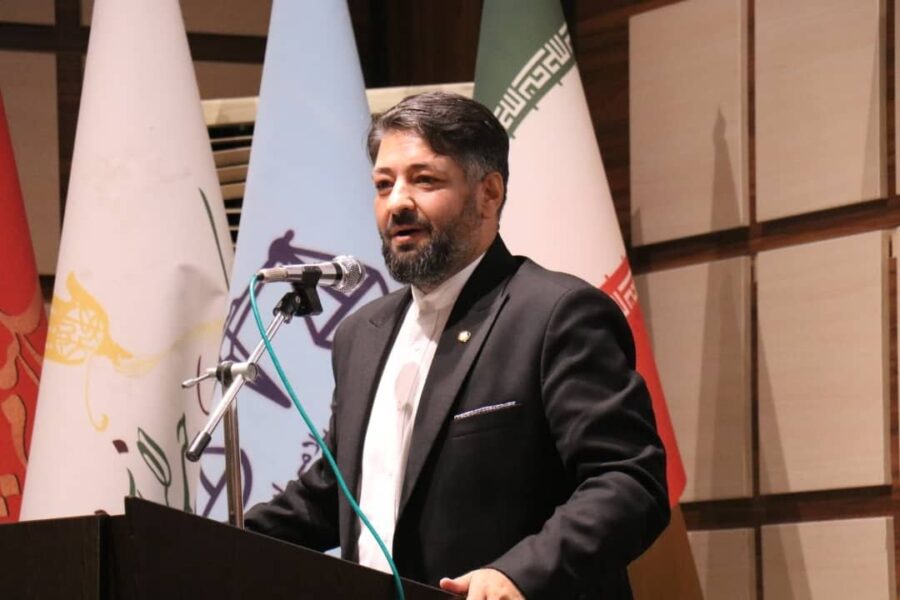
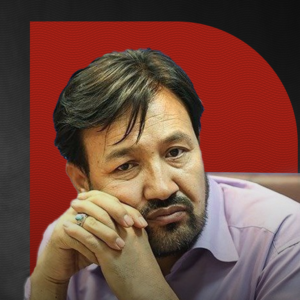
Vahid Ahmadi, a member of the Iranian Parliament’s National Security and Foreign Policy Commission, said some of these conditions must be met before substantive negotiations can begin. Citing Iran’s experience with the 2015 nuclear deal, he stressed that Tehran would not engage in serious talks while threats, hostilities, sanctions, frozen assets and maritime restrictions remain unresolved.
In an interview with IRAF, Ahmadi, who represents Kangavar, Sahneh and Harsin in parliament, said: “Without the implementation of these conditions, there is no basis for serious negotiations with the United States.” He added that meaningful talks could not be expected while the existing disputes remained in place.
Ending Hostilities on All Fronts
Ahmadi said the understanding between Iran and the opposing side took shape after the United States failed to achieve its objectives on the battlefield and proposed negotiations.
“After the Americans failed to achieve their goals on the battlefield and in the war, they proposed negotiations. Following an exchange of views, the framework announced by Iran was ultimately accepted, and a ceasefire was established on that basis,” he said.
Ahmadi added that the contents of the understanding had been the subject of extensive discussion, resulting in a set of issues and conditions. Some were defined as prerequisites, while others were framed as commitments and steps necessary to move toward substantive negotiations.
He identified an end to hostilities on all fronts as one of Iran’s principal demands.
“Initially, Lebanon was explicitly mentioned in this regard. Today, however, the issue extends beyond Lebanon to include other fronts of the resistance,” he said.
Ahmadi argued that negotiations aimed at reaching an understanding could not proceed while fighting continued across the region. He described a comprehensive halt to hostilities as a fundamental condition for moving forward.
Sanctions Relief, Maritime Restrictions and Compensation
Ahmadi outlined several other Iranian demands, including the lifting of what he described as “unjust and illegal sanctions.”
He said the removal of maritime restrictions was another issue under discussion, adding that damages inflicted on Iran during the war by Israel and the United States must also be addressed.
The release of Iranian assets was another key demand, he said, arguing that the country’s funds had been unlawfully frozen and should be made available.
Ahmadi also stressed that Iran must no longer be threatened.
“These issues only make sense when considered together,” he said. “You cannot continue threats and war on the one hand, maintain maritime restrictions, keep Iran’s assets frozen and refuse to compensate for the damage inflicted, while expecting Iran to enter serious negotiations on the other.”
Strait of Hormuz: Iran to Manage the Route
Addressing the Strait of Hormuz, Ahmadi said one of the issues under consideration was the approach Iran had chosen to manage the strategic waterway.
He added that a further development had taken place between Iran and Oman, with the two countries agreeing to establish a new route.
“The framework of this understanding between Iran and Oman is now in place. There may also have been informal consultations with some regional countries, but the drafting and management of this issue are being handled by Iran,” he said.
Ahmadi emphasized that the matter should remain under the management of the Islamic Republic of Iran.
He added that the full set of conditions must be met before the lifting of blockades and the reopening of routes could become possible.
Not All Conditions Carry the Same Weight
Asked whether Iran’s demands were merely proposals for negotiations or prerequisites for returning to the negotiating table, Ahmadi said the agreement’s provisions each had their own specific conditions.
He argued that the framework differed from the approach taken under the 2015 nuclear deal, known as the Joint Comprehensive Plan of Action (JCPOA).
“The provisions of this understanding are not structured in the same way as those under the JCPOA. Rather, the text has been drafted in such a way that if any of its provisions are not implemented, the Islamic Republic of Iran has the freedom to act according to its own requirements,” he said.
Ahmadi said some conditions were prerequisites for implementing subsequent stages, citing the cessation of hostilities on all fronts as an example.
Other conditions, he added, must first be fulfilled before discussions on the next provision can begin.
“Therefore, it is not possible to place all these issues on the same level and say that they are all merely proposals for negotiations,” he said.
Ahmadi noted that substantive talks could eventually return to issues such as Iran’s nuclear programme, with negotiations focusing on the conditions and framework under which those subjects could be discussed.
“Without Meeting Certain Conditions, There Can Be No Basis for Talks”
Ahmadi reiterated that some of Iran’s demands must be fulfilled before negotiations can begin.
“You cannot have your maritime rights, have your assets frozen, face outstanding damages, and have threats and war continue, and then say, ‘Now let us sit down and negotiate.’ Such a thing simply makes no sense,” he said.
The lawmaker said the agreement’s conditions must be implemented to enable Iran to engage in serious negotiations if a proposal is put forward, adding that both sides must remain committed to their obligations.
US Has Declared the Understanding Invalid
Ahmadi said the United States had formally declared that the understanding was no longer valid.
He added that, in his view, Iran was also unwilling to consider itself bound by the agreement unilaterally.
“The understanding remains valid only as long as the other side also remains faithful to its commitments,” he said.
Ahmadi argued that the issue could be examined from religious, legal and international perspectives, adding that it would make no sense for Iran to remain committed to an agreement if the other side failed to honor its obligations.
Iran Seeks to Avoid Repeating the JCPOA Experience
Ahmadi said Iran’s experience with the JCPOA had been a bitter one.
“At that time, despite the fact that the Americans abandoned the agreement and withdrew from it, the officials in office said that Iran would continue with the Europeans,” he said.
However, he added, European countries had never fulfilled their commitments.
Ahmadi said the lessons of that experience had been taken into account when drafting the new understanding, with the aim of preventing a similar situation from recurring.
“Given the experience that has repeatedly been repeated in the past, the Islamic Republic of Iran has no choice but to stand firmly by these conditions,” he said.
Negotiations Must Not Become a Tactic to Buy Time
Referring to the history of negotiations between Iran and the United States, Ahmadi said Iran had been attacked twice while talks were underway.
He said the United States subsequently proposed a halt to the war after facing difficulties on the battlefield and failing to advance its objectives, leading to the understanding between the two sides.
“However, we later saw that they once again failed to honor their commitments,” he said.
Ahmadi said Iran’s past experiences made it necessary to insist firmly on its conditions.
“If Iran’s conditions are met, the Islamic Republic can continue negotiations. But if the Americans are once again going to disregard their commitments, as they did in the past, or if the talks are to produce no results, there is simply no point in Iran spending its time on such negotiations,” he said.
Trump Seeking Political Gains Ahead of US Elections
Asked whether the United States might return to war and how the upcoming elections could affect President Donald Trump’s decisions, Ahmadi said the US administration was seeking to present its actions as a success to the American public.
“Given the domestic situation in the United States and the elections ahead, the US leadership, with Trump at the forefront, is certainly seeking to manufacture an achievement and create an image of success for the American public and the elections,” he said.
Ahmadi added that Washington was attempting to portray developments and its actions as accomplishments for domestic audiences.
However, he said he did not believe the United States would succeed in achieving its objectives through the steps it had taken so far.
“Trump may be seeking to construct a narrative for propaganda purposes and use it domestically in the United States, but I doubt he will succeed in this regard,” Ahmadi said.
Congressional Divisions Complicate Trump’s Decisions
Ahmadi also pointed to developments in US domestic politics, saying decisions taken in Congress and the Senate two weeks earlier had revealed divisions over whether to continue or halt the war.
“This has made Trump’s task somewhat more difficult and complicated the conditions for making a decision on whether to continue the war,” he said.
Ahmadi added that it remained unclear whether a return to hostilities would actually take place, arguing that the circumstances facing Trump had become more difficult.
He concluded that the developments were not working in Washington’s favour.
“If we now see the Americans once again moving swiftly to take action, all of this is aimed at manufacturing an achievement from the war so they can present it to the American public,” he said.
Background
Following the recent hostilities between Iran and the United States and the emergence of an understanding to halt the war, Tehran’s conditions for any further talks with Washington have become a central issue in diplomatic discussions.
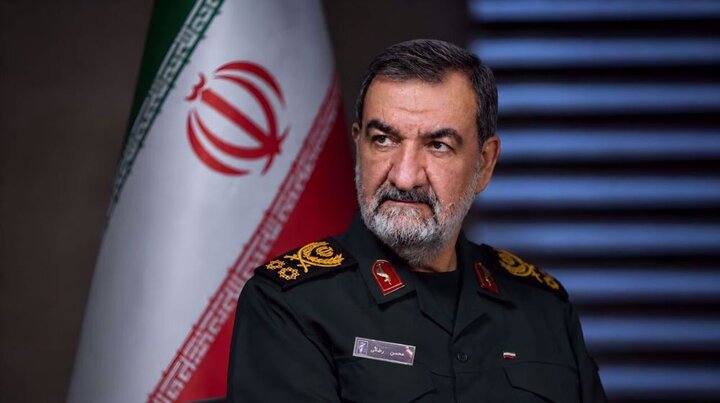
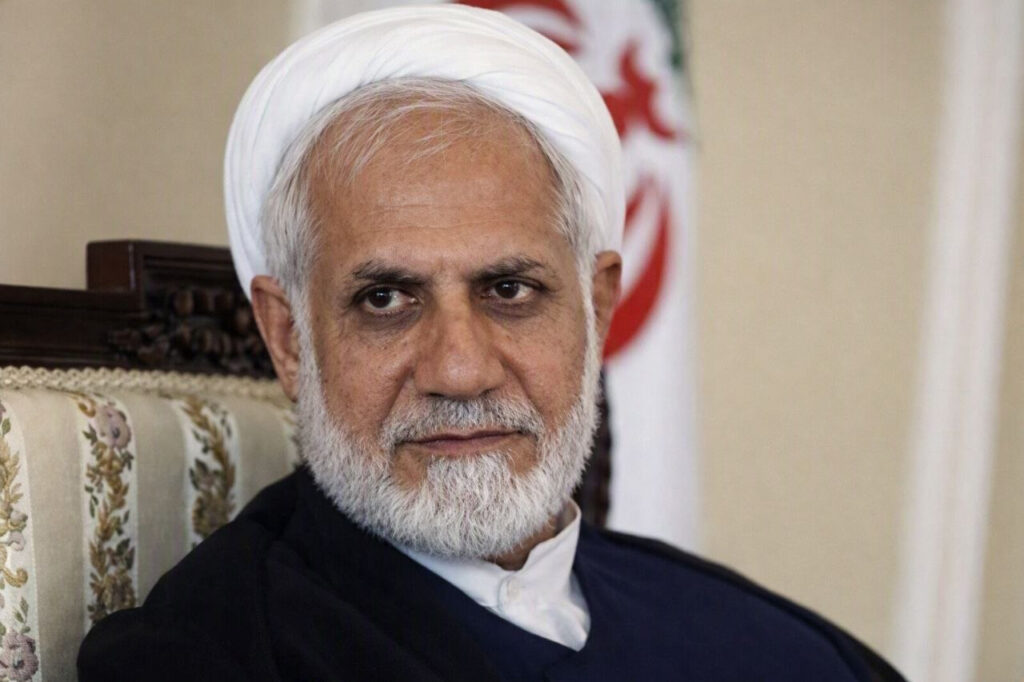
Iran’s Secretary of the Supreme National Security Council, Mohsen Rezaei, has also stressed that negotiations with the United States cannot proceed without taking the Islamic Republic’s considerations and conditions into account.
Against this backdrop, the seven issues outlined by Ahmadi—an end to hostilities on all fronts, sanctions relief, the removal of maritime restrictions, compensation for war damage, the release of Iranian assets, an end to threats against Iran, and arrangements concerning the Strait of Hormuz—remain central to Tehran’s stated position on the next stage of negotiations.
Meanwhile, statements by US officials questioning the validity of the understanding have added uncertainty to the prospects for further talks.