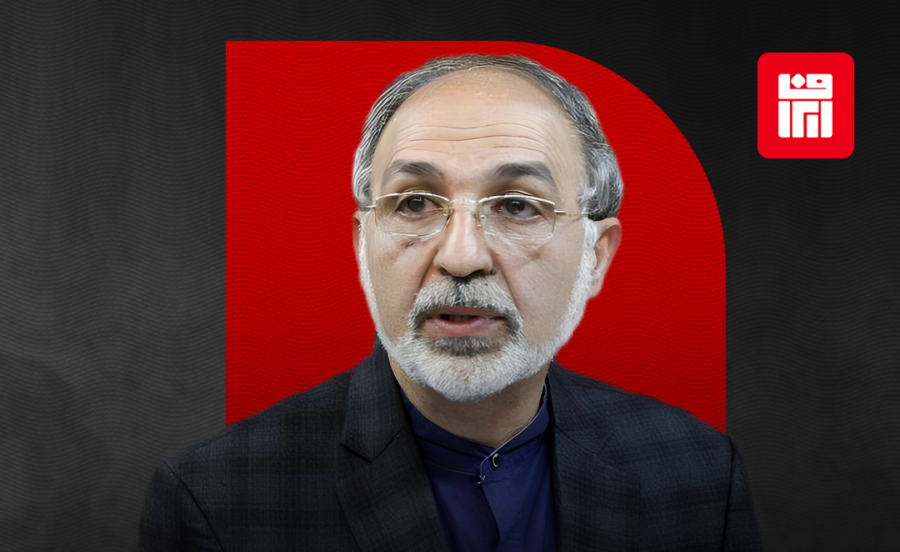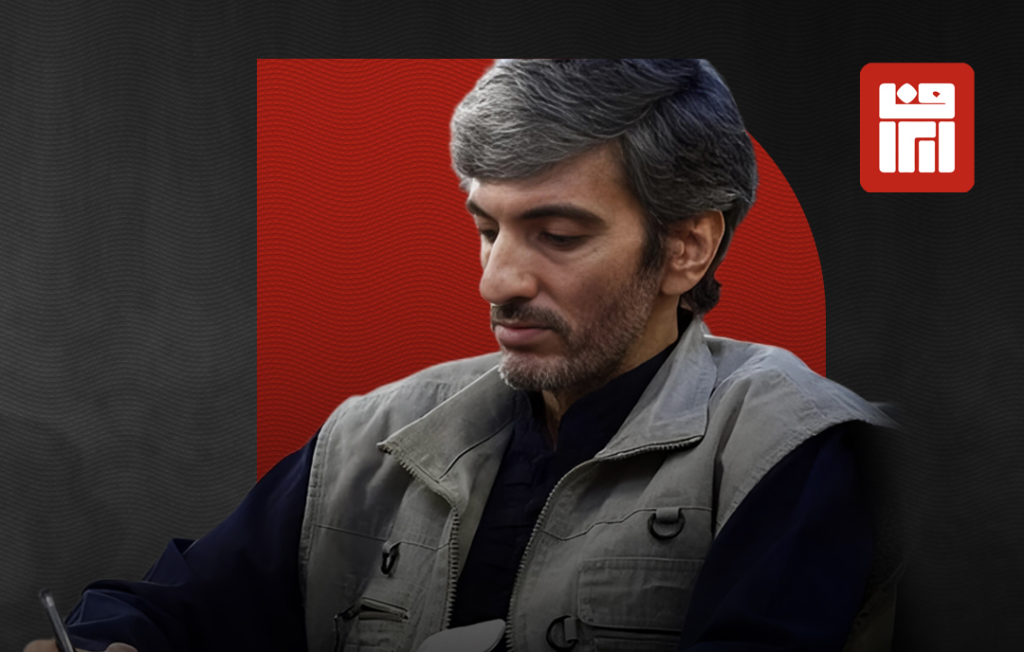
Mohammad-Hossein Jafarian, former cultural adviser of Iran in Afghanistan, wrote in a note published on the Diyar-e Ayar website:
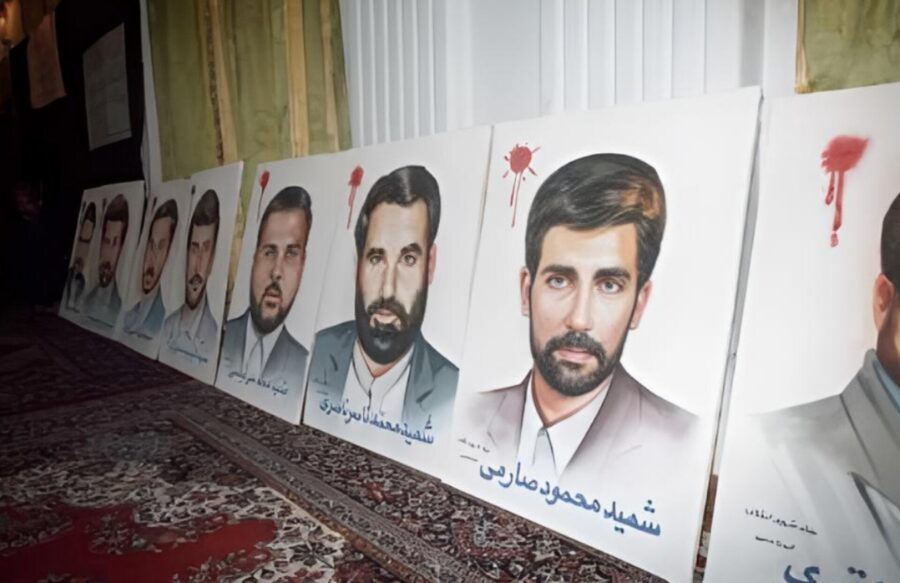
“I do not know who first suggested naming August 8 as Journalists’ Day. But I have no doubt that Mahmoud Saremi himself would not have been pleased. These men have been forgotten in the shadow of this designation. Eight Iranian diplomats and one journalist were killed on this day, yet it became known as Journalists’ Day. It would have been more appropriate to call it the Day of the Martyred Diplomats.”
It was winter. The kind of winter that freezes even the bones. I was in Mazar-e Sharif, sitting in my room at the Iranian consulate. You have to experience Mazar’s winters to understand what I mean.
I believe it was January 1998. Word came from the airport that a flight from Mashhad had landed. A driver, accompanied by a representative from the consulate, immediately headed to the airport. At the time, flights arriving in Mazar were only military ones.
They were old Russian aircraft that occasionally carried Iran’s aid shipments to Mazar. There were only two of them — and I mean aircraft: an AN-32 and an AN-12, both captured from General Abdul Rashid Dostum’s forces. They looked utterly miserable. During flight, dust and cold air would seep in through countless gaps in their bodies.
As the guys used to joke, they were probably the same planes that had carried Stalin’s mother to the hospital! That was how old they seemed.
Anyway, it was dusk. Flights rarely arrived at that hour. A short while later, I heard the sound of a vehicle returning. The door opened, and two men walked in. They were almost blackened by the cold. They were struggling to drag in a massive piece of equipment, holding it from both sides.
The door remained open, and the room immediately filled with the freezing air from outside.
I stood up halfway. One of them was shorter, with thinning hair. The other was tall, with thick hair and a long, hooked nose. The shorter man, who seemed to be in charge, let go of the device, rushed to close the door, and began blowing warm air onto his frozen hands.
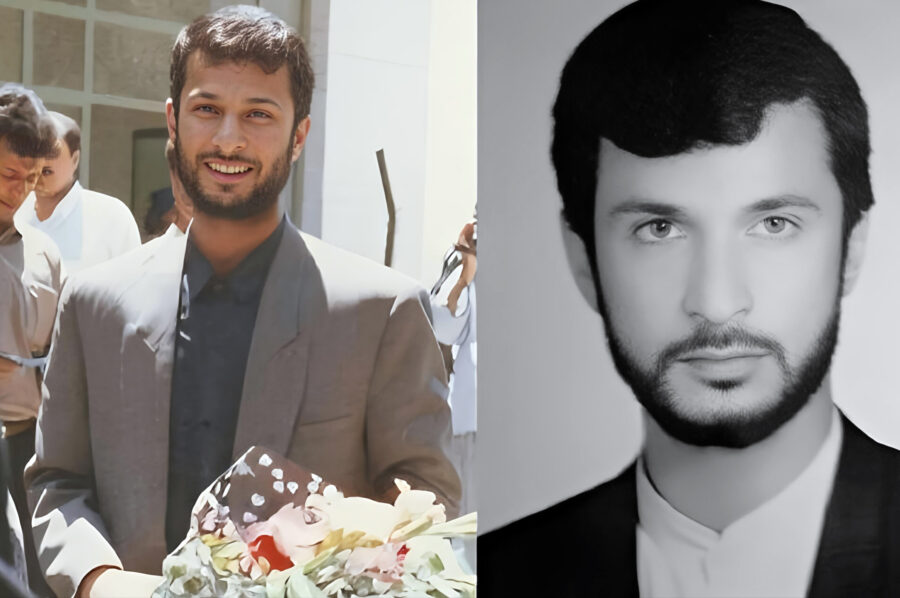
“Hello! I’m Shafiei,” he said. “I’m IRNA’s representative in Afghanistan. And this is my colleague, Mr. Saremi.”
Then he pointed toward the heavy device.
“It’s a satellite phone. Damn thing weighs thirty kilos…”
That was my first encounter with Mahmoud Saremi.
Eight months later, on August 6, 1998, Shafiei had returned, Saremi had settled into his work, but the Taliban were standing behind the gates of Mazar-i Sharif. The city was on the verge of falling.
The sound of gunfire and explosions could now be heard one after another.
Haj Rashid Fallah, one of our Foreign Ministry colleagues, was our prayer leader. He was shouting in the courtyard of the consulate:
“Move! Move! Your final prayers are about to be led by the Amir al-Momineen himself!”
He was referring to the arrival of the Taliban and the title they used for their leader, Mullah Omar.
Nasser Rigi was the deputy ambassador. Young, but extremely disciplined — always in a suit and unmistakably a diplomat.
Haj Amir Qiyasi was our troublemaker: a man from southern Tehran, chubby, a walking spark of energy. His close companion, Haj Nouri, was much the same — a diplomat, but warm-hearted and tough.
The two of them got along perfectly.
Haj Nasser Naseri was from the Revolutionary Guards. His own men called him “commander,” though we never really believed it. He was too close to us, too much a part of our everyday life. He spent his days dealing with Afghans, and he always had a collection of funny stories ready to tell at just the right moment.
Haj Heydar Bagheri was the driver. Sometimes he would open up and share stories from his heart. There was almost nothing he could not do. He even repaired Mahmoud’s satellite phone once.
Mr. Norouzi was precise and professional. Mr. Heydarian was there too. He was always complaining that the morning congregational prayer was less crowded than the noon and evening prayers.
At noon on August 8, 1998, all these men were killed in one of the rooms of that same building.
That day, the word “martyr” was written before every one of their names.
May God bless Mahmoud Saremi. He took his work extremely seriously. Nobody dared touch his enormous telephone. It was his life — that phone was everything to him.
Later, the Foreign Ministry rented a building across from the consulate. Our local Afghan colleagues worked there. Mahmoud had moved there as well, and he had taken his beloved phone with him.
Our usual prank was simple: one of us would keep him distracted, while another would sneak over to the phone and call Iran.
But woe betide anyone when Mahmoud found out.
The IRNA staff said that on the morning of August 8, Mahmoud had sent a report about the fall of Mazar-i Sharif and said he did not know what would happen to them.
Later that afternoon, when they called again, someone answered the phone and, speaking in poor Persian, said that the Taliban had taken control of the place — then hung up.
Yes, that cherished telephone had finally fallen silent.
Perhaps a Taliban fighter, with his long beard and imposing appearance, was now sitting behind Mahmoud’s desk, touching his phone…
And surely Mahmoud’s blood would have boiled at seeing such a scene.
I do not know who suggested making August 8 Journalists’ Day. But I am certain Mahmoud Saremi himself would not have been satisfied.
These men have been forgotten in the shadow of this title. Eight diplomats and one journalist from our country were killed on that day, yet it became known as Journalists’ Day.
It would have been fairer if it had been remembered as the Day of the Martyred Diplomats.
But let it be. I am not looking for an argument.
I had intended to write here about living heroes, but occasions and commemorations are part of our lives. They cannot simply be ignored — especially when you yourself were present when those events happened.
I take this opportunity to say this: the Saremis of this world are gone. Let us value the living heroes among us.
Let us stand by the reporters and journalists who give everything they have, sometimes even risking their lives, yet often receive little kindness in return.