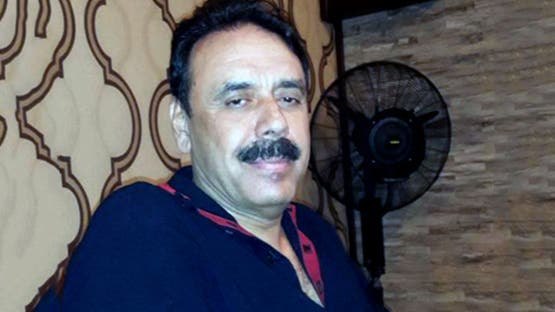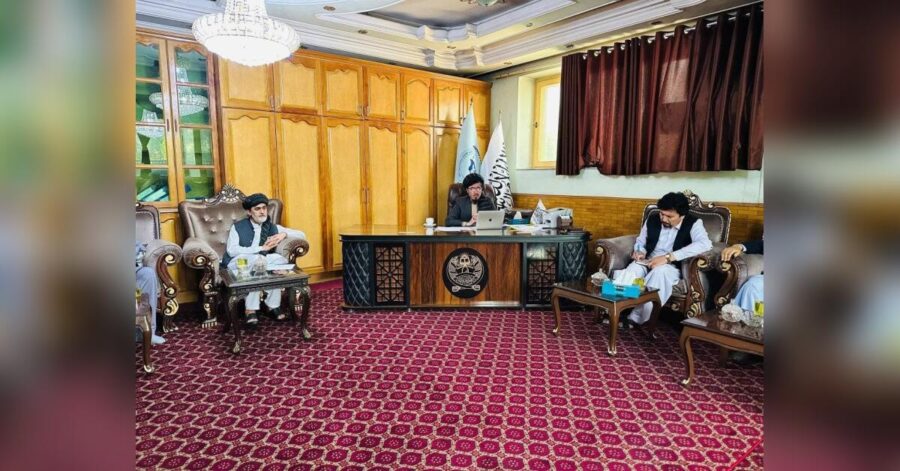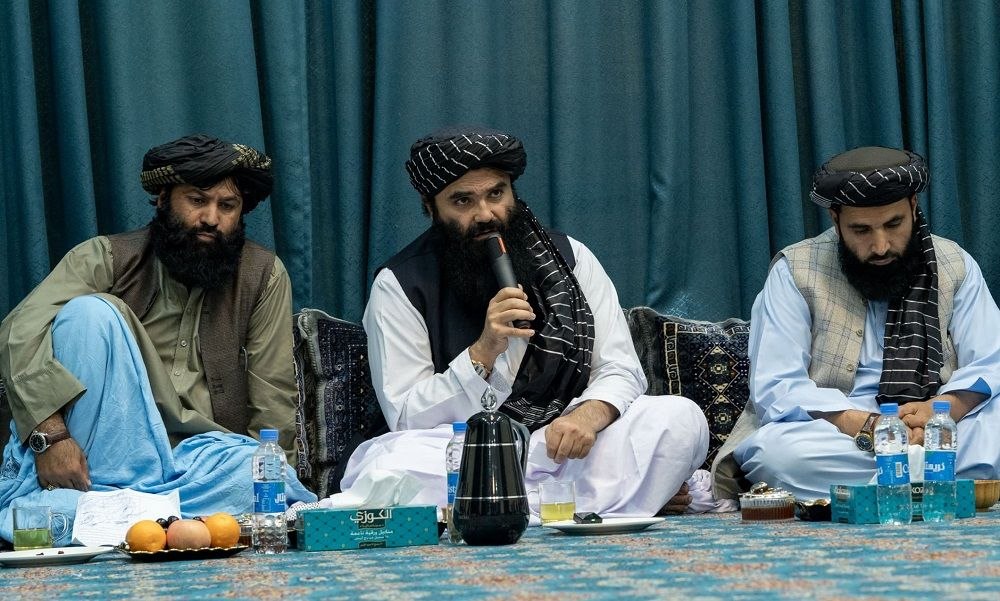
Amid increasing security activities by Taliban opponents in northern, eastern and southern Afghanistan, rising tensions between the Taliban and Pakistan, and the activities of anti-Taliban groups in some border areas, Sirajuddin Haqqani, the Taliban’s acting interior minister and leader of the Haqqani network, recently held a meeting with commanders loyal to him in a remote valley in eastern Paktia province. Observers view the gathering as more than an organizational meeting, saying it was aimed at strengthening security coordination and preparing for possible threats.
Sirajuddin Haqqani, the Taliban’s acting interior minister, recently traveled to Paktia province and met with a number of commanders and military officials of the group. The meeting was held amid reports in recent weeks of clashes between Taliban forces and opposition groups in Badakhshan and several other provinces, as well as continued security tensions between the Taliban and Pakistan. At the same time, analysts believe that escalating disagreements between Kabul and Islamabad, along with Taliban concerns over opposition activities, have led to an increase in security and military meetings by the group’s leaders in eastern and southern Afghanistan.
Amanullah Wakman, an Afghan political analyst and PhD holder in international relations, told IRAF that Sirajuddin Haqqani holds a special position within the Taliban’s security and governing structure. He said:
“Paktia, Khost and Paktika have historically been considered the main areas of influence of the Haqqani network, and a large number of commanders close to this faction are based in these areas. Therefore, the selection of Paktia for holding a meeting of commanders loyal to Sirajuddin Haqqani was not accidental and is directly linked to recent security conditions.”
Paktia Meeting; Taliban’s Response to Recent Security Developments
Wakman explained that in recent days, a group of Taliban opponents entered Afghanistan through Pakistan’s Chitral district and began clashes with Taliban forces in parts of Badakhshan province, including Yiftal-e Bala and Zebak districts. According to him, these movements have increased security pressure on the Taliban government and pushed the group’s leaders toward greater coordination among commanders.
The international relations scholar added:
“It appears that Haqqani’s trip to eastern Afghanistan was carried out with the aim of creating unity among commanders affiliated with the Haqqani network, assessing the field situation and planning to confront possible threats. Given that the provinces of Paktia, Khost and Paktika share borders with Pakistan, the Taliban is forced to be fully prepared for any security developments in these areas.”
Rising Tensions with Pakistan; The Main Reason Behind the Paktia Meeting
Wakman said the recent meeting of Taliban commanders was above all a reaction to recent developments in relations between Kabul and Islamabad, adding that disagreements between the two sides have no longer remained limited to the political level and have extended to security and military confrontations.
He said:
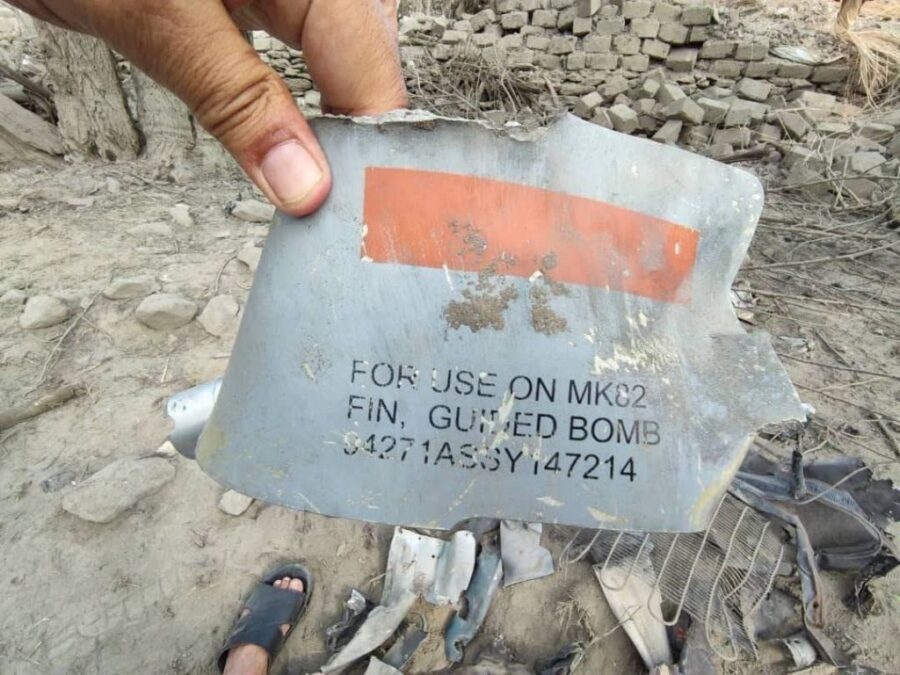
“Pakistan has targeted several areas in Afghanistan, including Paktia and Paktika provinces, with airstrikes several times in recent months. These actions have increased mistrust between the two sides and pushed Taliban-Pakistan relations into a more complicated phase.”
The international relations expert continued:
“When a country attempts to destabilize its neighbor, it is natural that the other side also seeks to create deterrent capabilities. From this perspective, Haqqani’s meeting should be viewed as an effort to coordinate commanders and increase the Taliban’s readiness against security threats.”
Taliban’s Relations with Neighbors; Tensions with Pakistan, Cautious Engagement with Iran
Speaking about the Taliban’s relations with other neighboring countries, Wakman said that unlike Pakistan, the Taliban is not currently engaged in military confrontation with other neighbors. According to him, although the group’s relations with the Islamic Republic of Iran are not free of disagreements and mistrust, both sides continue to seek to maintain their interactions within the framework of shared interests, particularly in the economic sphere.
He said:
“The relationship between Tehran and the Taliban cannot be considered a strategic relationship; rather, it is mostly a pragmatic and tactical relationship. The level of mistrust between the two sides remains high, and issues such as the Helmand water rights, some border matters and security concerns are still considered among the points of disagreement. However, these disagreements have so far not reached the level of military confrontation similar to what exists between the Taliban and Pakistan.”
Haqqani’s Position Within the Taliban Structure
Responding to whether Sirajuddin Haqqani’s field presence could be interpreted as an attempt to strengthen his political position within the Taliban power structure, the senior international relations analyst said:
“In my opinion, such an interpretation is not correct. Haqqani’s position within the Taliban structure has already been established, and due to the background of the Haqqani network and the position of his father, Jalaluddin Haqqani, he enjoys considerable influence within this group.”
He added:
“The Haqqani network has historically had a specific organizational structure and remains one of the most important pillars of the Taliban system. Therefore, Haqqani’s recent actions should not be interpreted as an attempt to compete with the Taliban leader or gain a higher position in the power hierarchy.”
ISKP No Longer Has a Decisive Role in Afghanistan
Discussing the implications of the recent meeting for armed groups active in eastern Afghanistan, the analyst said:
“The Tehrik-e Taliban Pakistan (TTP) essentially has close relations with the Afghan Taliban, and relations between the two sides remain in place, but the situation regarding ISKP is different.”
He explained:
“After the heavy defeats ISKP suffered in Iraq and Syria, some members of this group attempted to establish a presence in Afghanistan. At that time, some Western actors also hoped to use Afghanistan as a platform for expanding ISKP activities into Central Asia, Iran, Tajikistan, Uzbekistan and Turkmenistan.”
According to him, ISKP carried out bloody operations in Nangarhar province, Kabul and the Dasht-e Barchi area in previous years and attempted to consolidate its position by creating fear and terror, but after the Taliban returned to power, the group suffered heavy losses.
Wakman said:
“Under the current circumstances, ISKP does not exist in Afghanistan as an organized and influential entity, and its activities have been reduced to a minimum; to the extent that it can be said that the role of this group, compared with previous years, has almost reached zero.”
Paktia Meeting Reflects Taliban Concerns Over Security Threats
Referring to the security objectives of the Haqqani network commanders’ meeting in Paktia, he said:
“Holding such a meeting clearly shows that Taliban leaders are not indifferent to the activities of opponents and security threats.”
He added:
“Although Taliban opponents are limited in number, recent clashes in Badakhshan showed that these groups still have the ability to create insecurity in some areas. Therefore, the Taliban is attempting to preserve its organizational cohesion, increase coordination among commanders and prevent the expansion of opponents’ activities.”
Internal Taliban Disputes Have Not Reached the Stage of Confrontation
Asked whether Haqqani’s recent activities could be analyzed within the framework of internal Taliban disputes, Wakman said:
“Within the Taliban, there are differences of opinion over some issues, including girls’ education, women’s employment and some social matters, but these disagreements have never been to the extent that they threaten the existence of the Taliban system.”
He continued:
“Taliban leaders understand well that weakening any of the main factions within this group would lead to weakening the entire governing structure. Therefore, they mostly resolve their disagreements internally and do not allow these differences to turn into open confrontation.”
The international relations expert claimed:
“During nearly five years, despite the publication of reports about disagreements among Taliban leaders, there has never been any indication of a serious split or organized conflict among the main factions of this group.”
In his view, disagreements that sometimes emerge between local commanders and the Taliban’s central government are mostly related to economic issues, management of mines and revenue sources, and these issues have so far not turned into a political crisis within the Taliban.