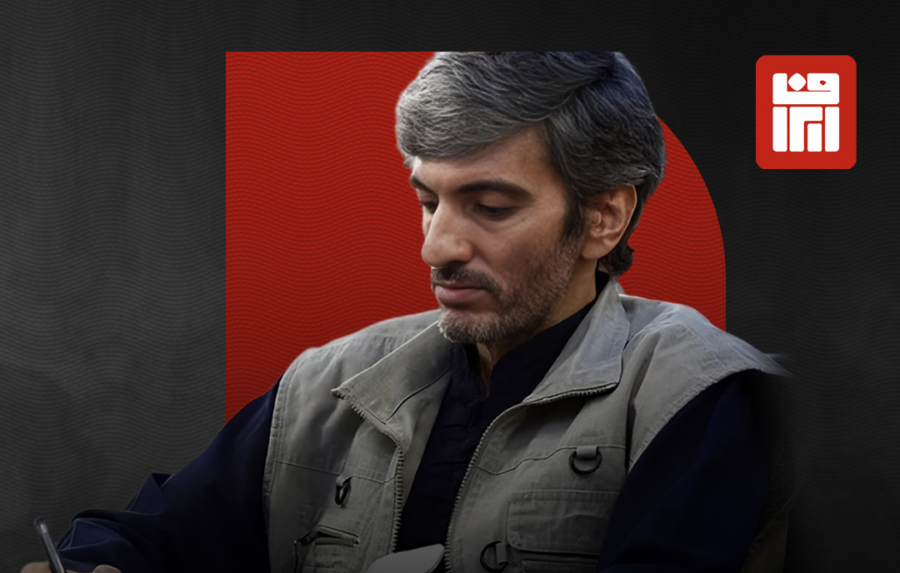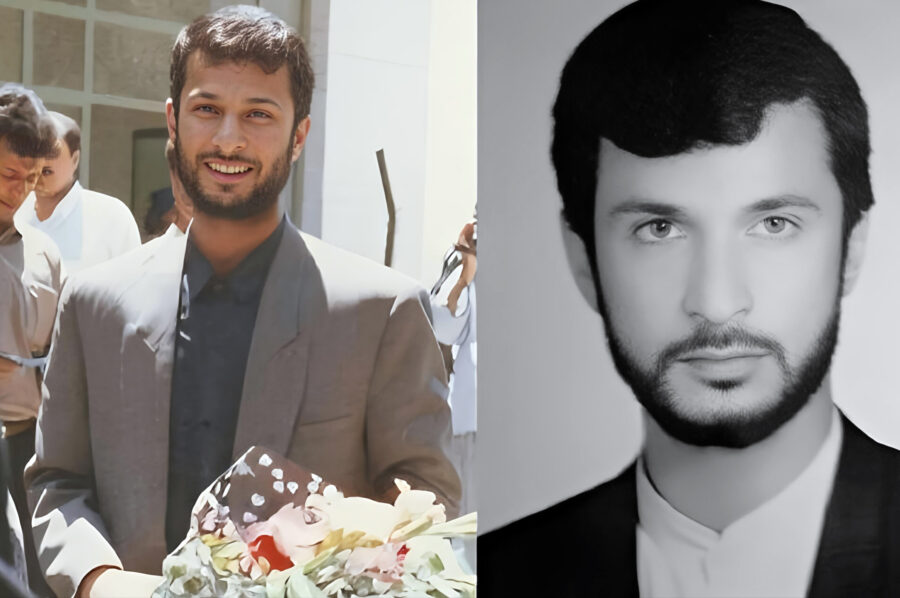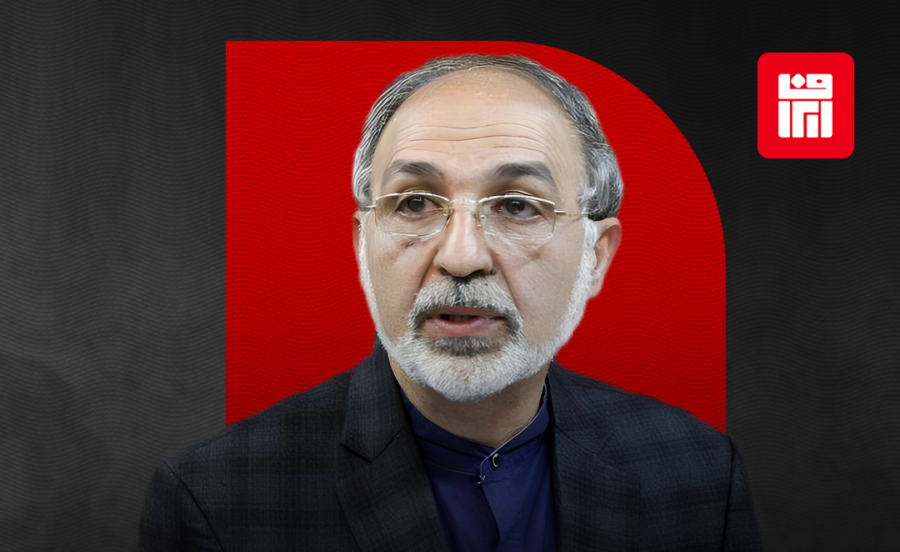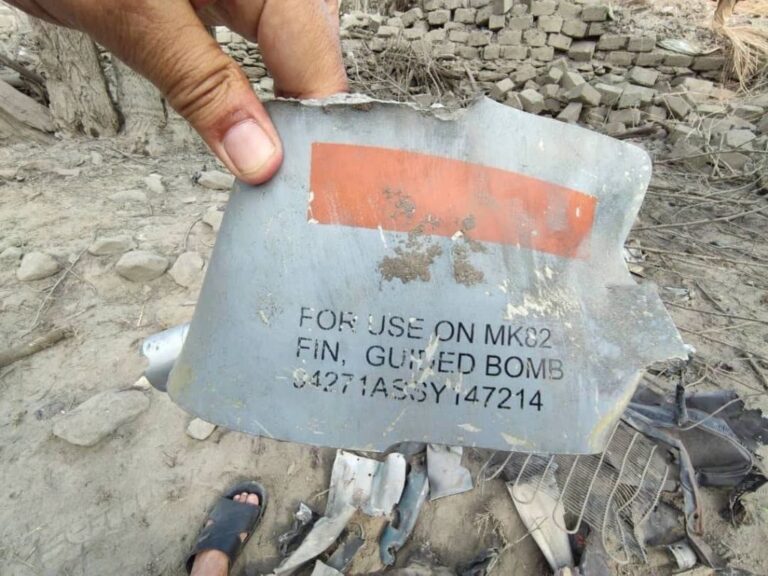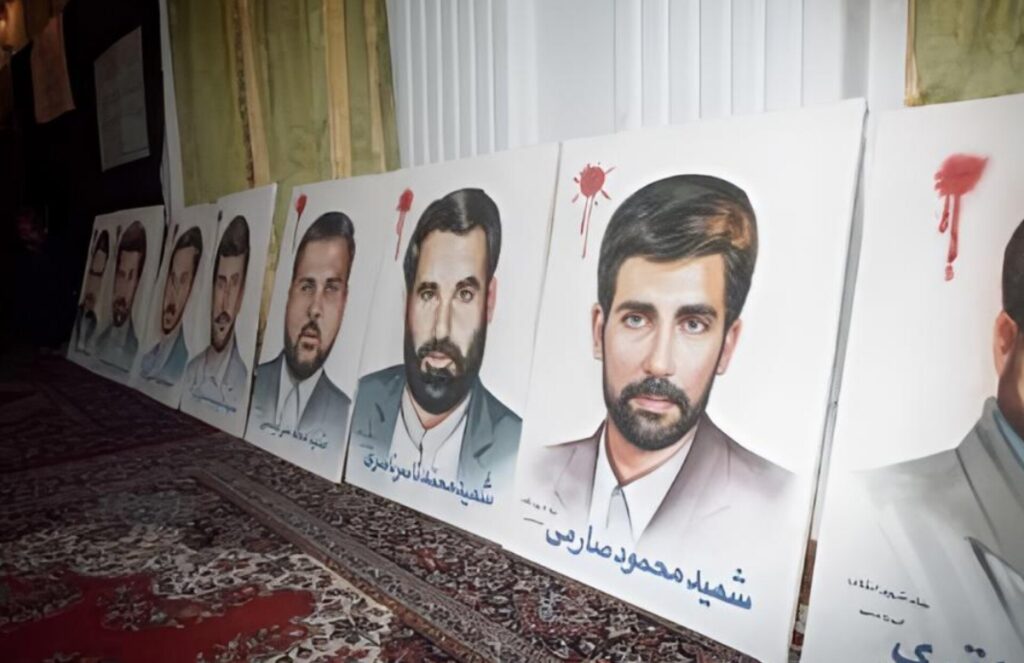
The families of two Iranian victims of the Mazar-i-Sharif incident have criticized the designation of August 8 as Iran’s Journalists’ Day, arguing that the decision has overshadowed the memory of the eight Iranian diplomats and personnel who were killed alongside journalist Mahmoud Saremi in the 1998 attack on Iran’s consulate in Mazar-i-Sharif, Afghanistan.
Nasim Saravani, the wife of Nasser Rigi, and Zahra Nasseri, the daughter of martyr Nasseri, told IRAF that while they respect Saremi and the journalism community, a separate day should have been designated in Iran’s official calendar to honor diplomats and Iranian personnel killed in Mazar-i-Sharif and to preserve an independent account of their lives and service.
According to IRAF, August 8 is officially observed in Iran as Journalists’ Day, an occasion rooted in the killing of Mahmoud Saremi, a journalist with the Islamic Republic News Agency (IRNA), during the Mazar-i-Sharif incident. Alongside Saremi, eight Iranian diplomats and personnel were also killed when the Islamic Republic’s consulate in the Afghan city was attacked.
Families of the victims say the diplomats and other Iranian personnel killed in the incident have received less public attention than their role and sacrifice warrant.
Rigi’s wife: Diplomats killed in Mazar-i-Sharif have no place in the calendar
The wife of Nasser Rigi said that several Iranian diplomats were killed in Mazar-i-Sharif alongside Mahmoud Saremi and that the families of the victims have for years called for a dedicated occasion to commemorate the diplomats.
She stressed that the criticism does not diminish the importance of journalists or Saremi, saying that the families of the Mazar-i-Sharif victims also respect journalists and Saremi’s family. However, she argued that the diplomats who lost their lives in the same incident should also have a recognized place in the official calendar.
“Martyr Saremi was dear to us, and his family is also dear to us, but they should be remembered together.”
She also pointed to the risks faced by diplomats serving in conflict zones, saying diplomatic missions in war-torn and insecure areas can involve serious dangers. Families of diplomats, she added, can also experience the hardships of living in conditions of war and away from home.
According to her, families of the Mazar-i-Sharif victims have repeatedly raised the issue through official correspondence and called for the designation of a “Diplomats’ Day” in Iran’s official calendar, but no such measure has yet been taken.
She said such a day could serve not only to honor those killed in Mazar-i-Sharif but also to highlight the difficulties and sensitivities involved in the work of Iranian diplomats serving abroad.
A day for diplomats could have been designated
Rigi’s wife said that, considering the composition of those killed in the Mazar-i-Sharif incident, the fact that more diplomats were among the victims than journalists could have justified giving the date a title associated with diplomats as well.
She stressed, however, that the families are not seeking to eliminate Journalists’ Day or disregard Saremi. Their demand, she said, is for the diplomats killed in the same incident to receive separate and simultaneous recognition.
In her view, diplomats serving abroad often work in circumstances in which their families are unaware of the risks and threats they face. In some cases, she said, diplomats themselves may have to conceal security concerns from their families.
Recalling her own experience of her husband’s service in Afghanistan, she said the family had assumed that an embassy or consulate would be sufficiently secure because of its diplomatic status and protections, and did not expect such an attack to take place even amid a war.
Nasseri’s daughter: The designation pushed the Mazar-i-Sharif incident into the background
Zahra Nasseri, the daughter of Nasser Nasseri, said she respects Saremi and the journalism community but believes that designating August 8 as Journalists’ Day has increasingly focused public attention on the killing of one journalist, while the other victims of the Mazar-i-Sharif incident have received less attention.
She said Iranian diplomats and personnel were also killed in the attack and that each had an individual life and history that deserved to be documented.
According to Nasseri, the designation of the date as Journalists’ Day gradually caused the incident itself and the stories of the other victims to receive less attention.
She stressed that the families are not comparing the value of Saremi’s life with those of the other victims. Rather, their concern is that one aspect of the incident has overshadowed the others.
Mahmoud Saremi is dear to us, but the other victims should also be remembered
Nasseri said the families of the Mazar-i-Sharif victims have no objection to commemorating Saremi and believe that journalists, like diplomats, can face serious risks while working in conflict zones.
However, she said a separate title and occasion could also have been established to commemorate the diplomats who were killed.
She argued that this is particularly important for victims whose professional responsibilities and activities meant that their lives and missions could not always be publicly discussed.
Nasseri said her father had spent years taking part in the Iran-Iraq War and in activities described as “jihadist,” before later working outside Iran. However, much of his work was not widely reported because of security considerations.
In her view, this has contributed to the fact that some members of the public do not even know who the Mazar-i-Sharif victims were or what paths they had followed before their deaths.
A demand that goes beyond a calendar designation
For the families of Nasseri and Rigi, the issue is not merely the title of a date on the official calendar. They say the central concern is the preservation of a part of the Mazar-i-Sharif story that, in their view, has not received sufficient attention.
For these families, establishing a separate day for diplomats could provide an opportunity to revisit the lives, missions and challenges faced by Iranian diplomats, particularly those who served in conflict and crisis zones.
Rigi’s wife said the families had repeatedly sought to raise the issue through official channels but had yet to receive a response leading to the establishment of such an occasion.
Nasseri, meanwhile, said that even if the title of August 8 is not changed, accounts and commemorations associated with the date should at least include the names and stories of all the Mazar-i-Sharif victims alongside Saremi.
One incident, multiple stories, and victims who should not be forgotten
The Mazar-i-Sharif incident was not solely an event involving Iran’s media community or diplomatic establishment. It was an incident in which several Iranian personnel lost their lives amid the crisis in Afghanistan.
Nearly three decades later, the families of the victims continue to make a common demand: the Mazar-i-Sharif victims should be remembered and documented as a group, alongside one another.
For the families of Rigi and Nasseri, honoring Saremi and Journalists’ Day is not incompatible with commemorating the diplomats who were killed. They argue that Saremi can be honored while the diplomats who died in the same incident are also given an independent place in Iran’s official historical memory.
In August 1998, as the Taliban captured Mazar-i-Sharif, Iran’s consulate in the city was attacked, killing several Iranian diplomats and personnel. Mahmoud Saremi, a journalist with IRNA, was also killed in the incident.
Following the attack, August 8 was designated as Journalists’ Day in the official calendar of the Islamic Republic of Iran. The date has since been marked annually with tributes to journalists and media professionals.
Families of some of the Iranian victims of the Mazar-i-Sharif incident, however, argue that alongside commemorating Saremi, a separate and lasting program should be established for the other victims of the incident so that their names and stories are not overshadowed by Journalists’ Day.