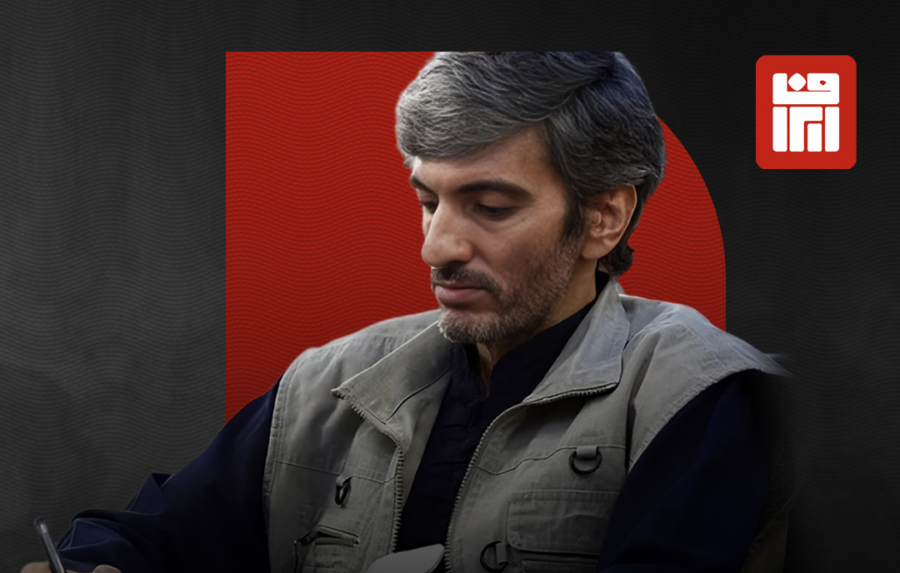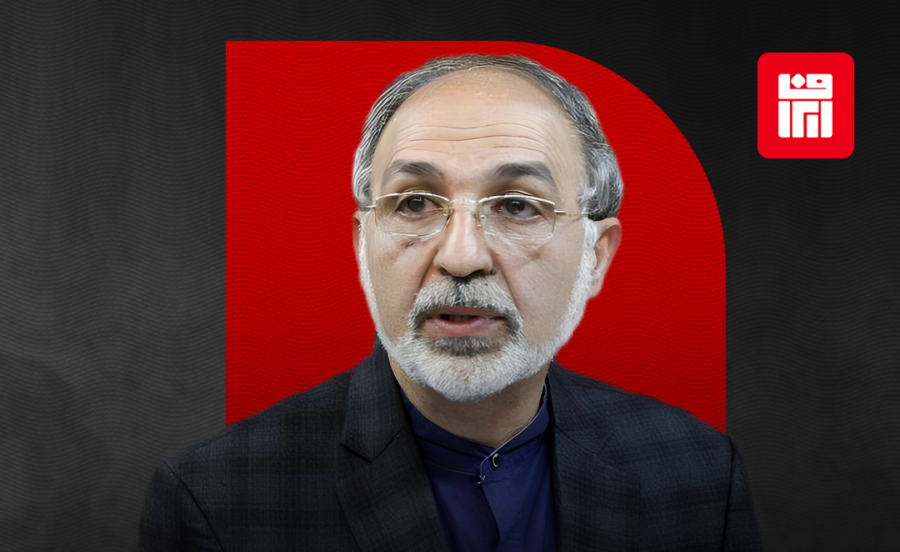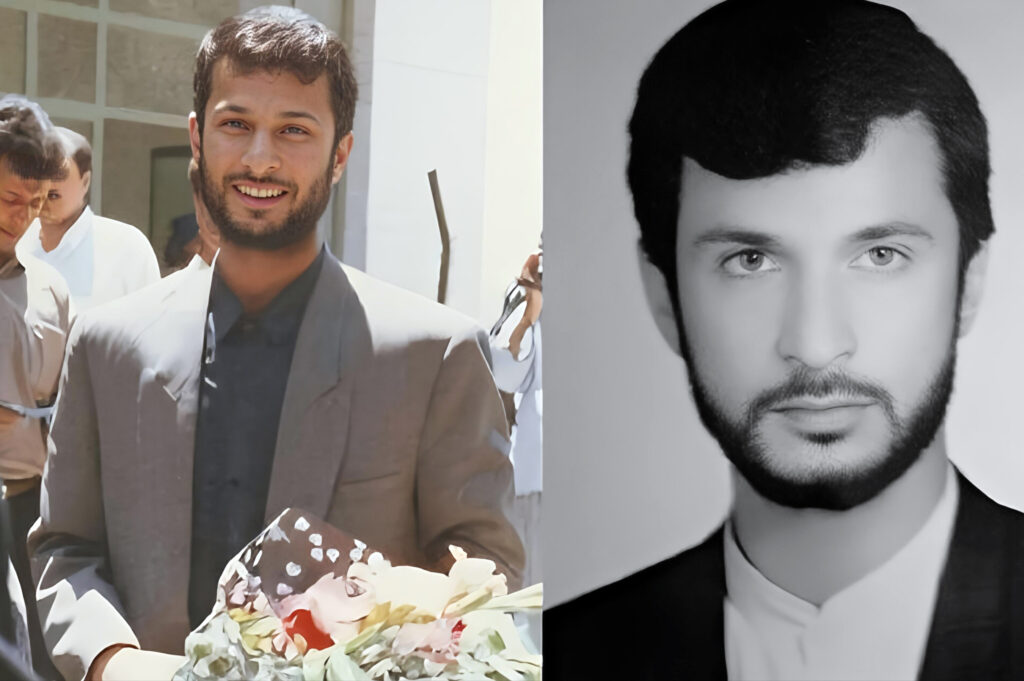
Twenty-eight years have passed since the Mazar-i-Sharif tragedy and the killing of eight Iranian diplomats and one Iranian journalist by the Taliban. Although various accounts have emerged over the years about those responsible, many questions remain unanswered for the families of the victims. Nasim Saravani, wife of Nasser Rigi, one of the Iranian diplomats killed in Mazar-i-Sharif, says the families have yet to receive clear answers about why the incident occurred, how the diplomats’ security was ensured, and who was ultimately responsible for their deaths. Their main demand, she says, is to clarify all aspects of the case.
In an interview with IRAF, the wife of Nasser Rigi referred to the fact that the deaths of the Iranian diplomats coincided with the killing of Mahmoud Saremi, a journalist with the Islamic Republic News Agency (IRNA), and criticized the fact that the incident has largely become associated with “Journalists’ Day” in subsequent years. She said: “We have corresponded with officials and various authorities many times and requested that, alongside Journalists’ Day, the memory of the martyred diplomats of Mazar-i-Sharif also be commemorated independently.”
She stressed that the families of the Mazar-i-Sharif victims have no objection to commemorating Saremi, saying: “Martyr Saremi was dear to us and we also know his family and have contact with them, but in that incident eight Iranian diplomats were also martyred alongside a journalist, and it is appropriate that their memory also be specifically commemorated.”
According to her, diplomats work in difficult conditions and even in war zones in many parts of the world, while their families also experience the particular hardships associated with the profession. She added: “Our diplomats really have a difficult and sensitive job. They may be in wartime conditions and in a foreign land, and their families may not have precise information about their situation. We ourselves experienced these conditions.”
Rigi’s wife said that even in some years the names of the Mazar-i-Sharif victims received little attention, and called for greater attention from officials. She said commemorating the victims could be highly significant for their families as well as for diplomats currently serving in different parts of the world.
Days of Anxiety in Mazar-i-Sharif: “We Thought the Embassy Was Iranian Soil”
The wife of Nasser Rigi described the circumstances her husband faced in Mazar-i-Sharif before his death: “At that time, Afghanistan was involved in war and insecurity, and the families were not present in Mazar-i-Sharif alongside the diplomats and the family had concerns about the security situation in the area.”
Nasim Saravani continued: “We were very worried, but my husband spoke calmly and said nothing would happen here; we are on our own soil and the embassy is considered Iranian soil and we have physical security.”
According to her, this belief meant the family did not imagine that an incident of such magnitude could occur. She said she had spoken with her husband on the night before the incident and never imagined that it would be their last conversation.
She said that when her husband had gone to Afghanistan on his mission, their child was only 17 days old. On the day of the incident, their son, Amirhossein, had received his three-month vaccination and was restless. It was under those circumstances that the family lost contact with the martyr and conflicting reports about the diplomats’ fate reached them.
Saravani added that after some time, the families were informed of the diplomats’ deaths and it became clear that her husband had also been killed alongside the other members of the Iranian delegation.
“He Always Wished for Martyrdom”
Rigi’s wife said that her husband had always asked God for martyrdom and that even in Mazar-i-Sharif he had prepared himself for such a fate.
Referring to the martyr’s handwritten notes, she said: “After my husband arrived in Mazar-i-Sharif, he performed the ritual bath of martyrdom several times, and even on the night before his martyrdom, he had mentioned in a handwritten note that he had performed the ritual bath of martyrdom until morning.”
According to Saravani, the handwritten note, written in the martyr’s own handwriting, still exists and shows that despite his outward calm, Nasser Rigi took the situation in the area seriously and was prepared for martyrdom.
The martyr’s wife stressed: “He was not someone who would flee. He was a very brave person, and it was absolutely unimaginable that he would leave his friends alone in those circumstances and flee himself.”
Different Accounts of Who Was Behind the Incident: “For Us, It Is Still Fifty-Fifty”
One of the most important aspects of the case is the uncertainty surrounding those primarily responsible for the attack on the Iranian consulate in Mazar-i-Sharif. Rigi’s wife says that various accounts of the incident have been conveyed to the families over the years, including accounts pointing to the involvement of Taliban forces and some extremist elements.
She said: “There were so many accounts. We were not there and we did not see anything with our own eyes. Everyone had an account, and under circumstances in which the families were grieving, different people sometimes raised different issues.”
According to Nasim Saravani, at one point there were also accounts suggesting that some diplomats had escaped or gone into hiding, but Rigi’s family did not believe such an account about Nasser Rigi.
She also referred to an account concerning one of the Taliban’s extremist elements, who was reportedly being pursued by Iranian forces and was later killed. However, the martyr’s wife stressed that because the families did not witness the incident themselves, they cannot comment with certainty on its details.
She said: “Later, we were informed that the Iranian diplomats had been killed by the Taliban. There was even a video of that person in which he spoke against Iranians and Shias. But despite all this, we still cannot say with certainty what really happened.”
Saravani stressed: “For us, it is still fifty-fifty. We have left everything to God and hope that God Himself will take revenge for the injustice that befell our martyrs and their families.”
“The Taliban and the Government of the Time Must Be Held Accountable”
Nasser Rigi’s wife believes responsibility for the incident cannot be attributed solely to one group or individual and that both the Taliban and officials at the time should answer for what happened in Mazar-i-Sharif.
She said: “The Taliban must be held accountable. The government of the time must also be held accountable, because the security of these dear ones in that country was our responsibility and there was a responsibility to ensure their security.”
Referring to the 28 years that have passed since the incident, she said that although Iranian officials have at times stated that the case has been clarified, serious questions remain unanswered from the families’ perspective.
According to her, the families’ most important question is why, despite knowledge of the wartime conditions and insecurity in Mazar-i-Sharif, the necessary decisions were not taken to ensure the diplomats’ security or evacuate them.
Nasim Saravani said: “There are many questions; why was their security not ensured? Why, when they knew the conditions were dangerous, was the embassy not evacuated? Why were these dear ones allowed to remain in those conditions?”
“After 28 Years, I Still Cannot Answer My Son”
Rigi’s wife described the main demand of herself and the other families of the Mazar-i-Sharif victims as establishing the truth about the case.
Referring to her son, who was only 17 days old when his father was sent on the mission, she said: “My son was 17 days old at that time and now he has grown up. I still cannot answer him why your father was martyred? For what reason did this happen? Why was the area not evacuated?”
She added: “Our demand is that it be determined what sin these martyrs committed to remain there and for what reason they were killed. They had gone there to serve and they were even trying to establish peace.”
She also spoke about her husband’s activities, saying that during that period, Martyr Rigi even tried, under dangerous conditions, to create opportunities for dialogue and peace between Afghan government forces and the Taliban. At times, he personally traveled to high-risk areas without an escort or driver in an effort to facilitate negotiations to reduce the fighting.
The martyr’s wife stressed: “He was trying to establish peace, but unfortunately his fate turned out this way.”
Later Accounts: From Research to Documentaries
Rigi’s wife also spoke about accounts published in the years following the Mazar-i-Sharif incident, saying that the families do not consider all of these accounts credible.
Regarding accounts presented by some individuals as well as documentaries made about the incident, she said: “Mr. Jafarian’s statements about his memories and observations were closer to reality for us, but some of the accounts presented in the films were not acceptable to us.”
She also said that the families of the victims did not accept an account presented by one of the witnesses or narrators of the incident, believing that some of the details presented were inconsistent with what the families know about the character and conduct of the victims.
“I Do Not Want These Questions to Be Repeated Every Year and Then Filed Away Again”
Nasser Rigi’s wife, referring to the long period that has passed since the incident, said that as time has passed and various problems and crises have increased, the case of the Mazar-i-Sharif victims has also been pushed somewhat to the sidelines.
She nevertheless expressed appreciation for the attention paid to the families of the victims by the Ministry of Foreign Affairs and some officials, saying the ministry has always respected the martyrs and commemorated their families on various occasions. However, she believes this attention should continue more consistently and seriously.
Nasim Saravani said: “There is a lot to say, but after all these years I have decided not to raise many of the questions. I say, let me leave it to God. I only want the memory of our martyrs, especially the martyred diplomats, not to be forgotten.”
Rigi’s wife stressed that commemorating martyred journalists is in no way incompatible with commemorating martyred diplomats, saying: “All of these dear ones are respected by us. But we expect the martyred diplomats also to have a specific place in the country’s calendar and collective memory.”
She concluded: “It is important to us that the memory of these martyrs remains alive; because if their names are forgotten, the pain of the families becomes greater.”
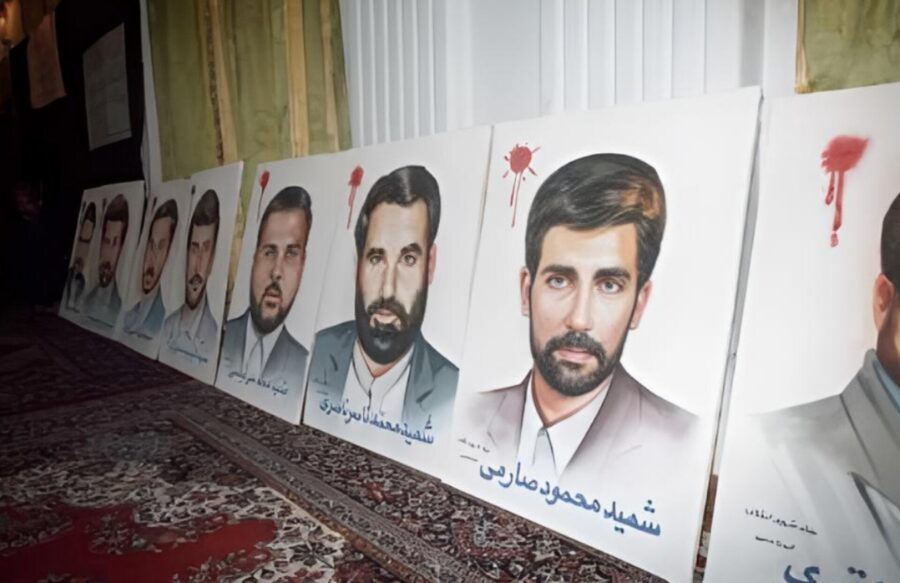
The Mazar-i-Sharif incident is considered one of the darkest events in the history of Iran-Afghanistan relations. In August 1998, amid intense fighting in the city of Mazar-i-Sharif, the building of the Islamic Republic of Iran’s consulate in the city was attacked, killing 9 Iranian nationals, including eight diplomats and one Iranian journalist. Their bodies were later transferred to Iran.
Mahmoud Saremi, a journalist with the Islamic Republic News Agency, was also killed in the incident, and August 8 was designated as “Journalists’ Day” in Iran.
In the years following the incident, various accounts emerged about how the attack occurred and who was responsible. Iran blamed the Taliban for the incident at the time, and the deaths of the diplomats and Iranian journalist became one of the most important issues between Tehran and the Taliban.
Nearly three decades later, although various accounts of the incident have been published and research and documentaries have been produced about it, the victims’ families continue to demand that all aspects of the incident be clarified, including how the security of the Iranian diplomats was ensured and the identification and accountability of those primarily responsible for the killings.