Iran MP Urges Arab States to Deny U.S. Access to Their Territory, Says Reliance on Washington Cannot Guarantee Security

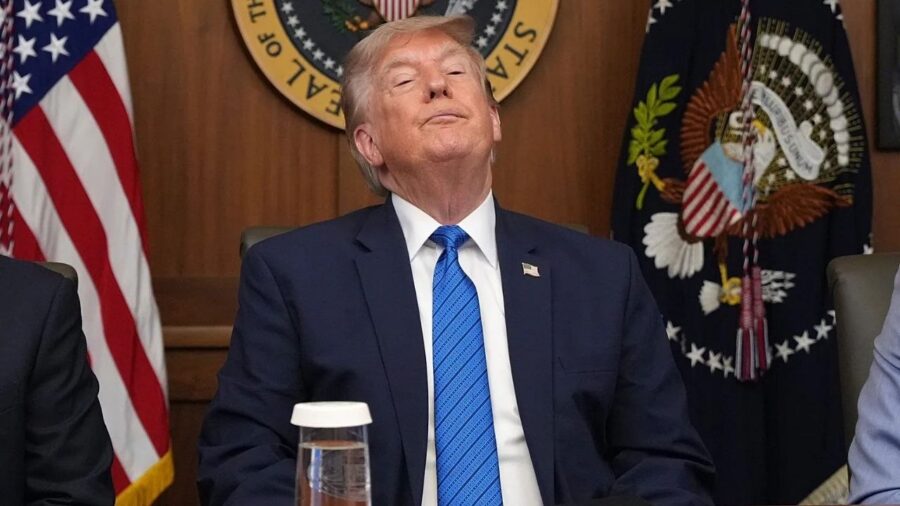
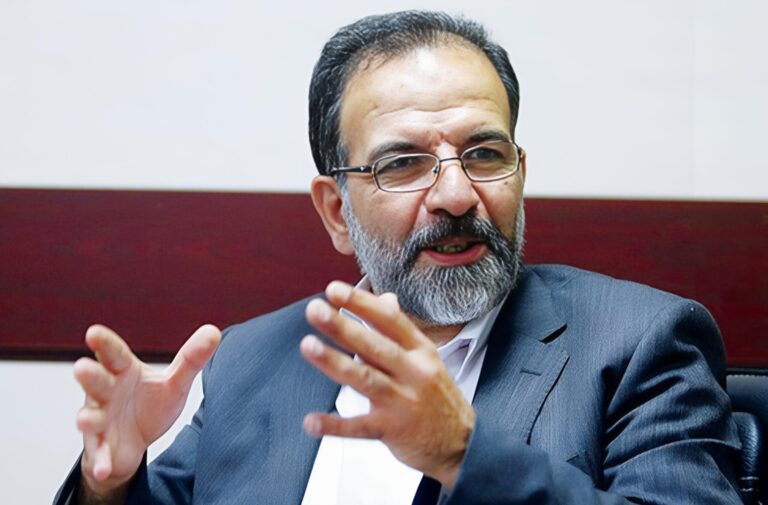
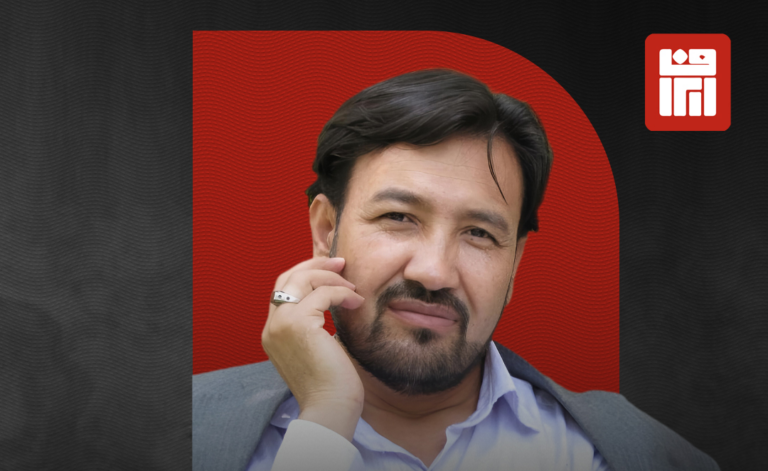
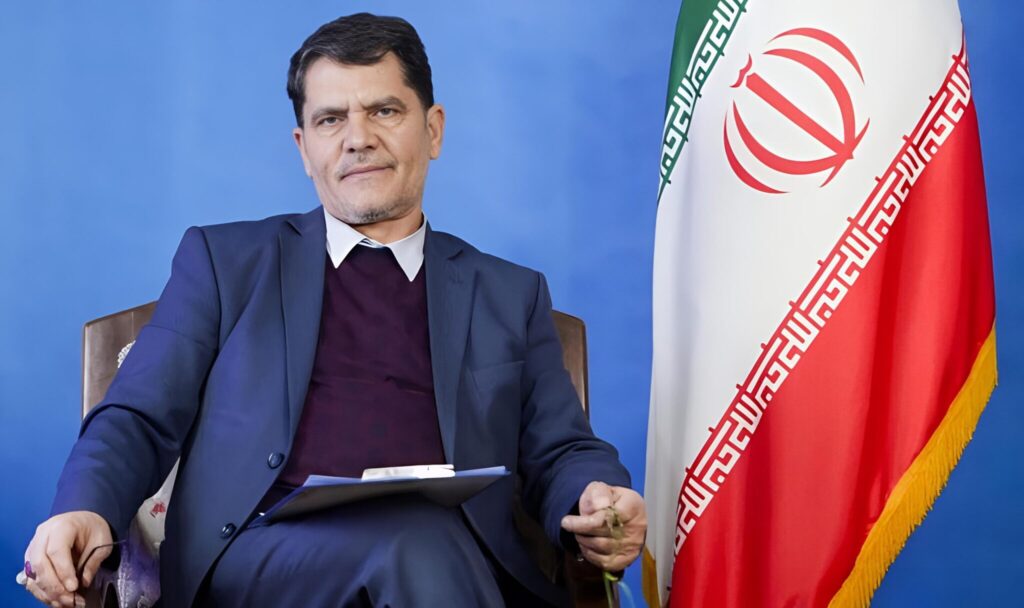
Arab states have the most to lose from a prolonged regional conflict and should prevent the United States from using their territory and military bases if they want to reduce tensions, Iranian lawmaker Ahmad Ajam told IRAF, while arguing that Washington has lost its ability to shape regional security and manage global energy flows.

Recent military tensions in West Asia have renewed attention to the security of the Strait of Hormuz, the risk of disruptions to global energy exports, rising oil prices and the performance of U.S. defense systems, including THAAD and Patriot. The developments have also heightened concerns among countries bordering the Persian Gulf over the economic and security consequences of a wider regional conflict, setting the backdrop for renewed debate over regional security and energy supplies.
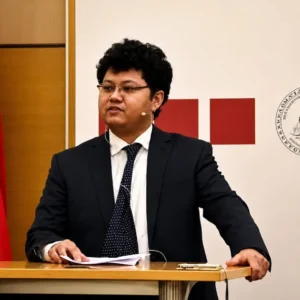
Speaking to IRAF, Ajam, a member of the Iranian parliament’s National Security and Foreign Policy Commission, said countries in the region had failed to act in line with their own interests because of what he described as U.S. pressure.

“The countries of the region suffer more than any other party from the continuation of the war, but because they lack an independent will and fear pressure from the United States, they have still been unable to make a decision that serves their real interests.”

He said the most effective way to avoid further damage was for Arab states to deny the United States and Israel access to their territory and facilities.

“The best way to prevent further losses is for these countries not to allow their land, waters and facilities to be used by the United States and the Zionist regime. Sustainable security in the region is only possible by relying on the capacities of the regional countries and the role of the Islamic Republic of Iran.”

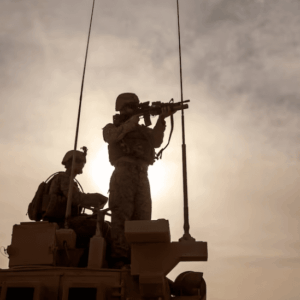
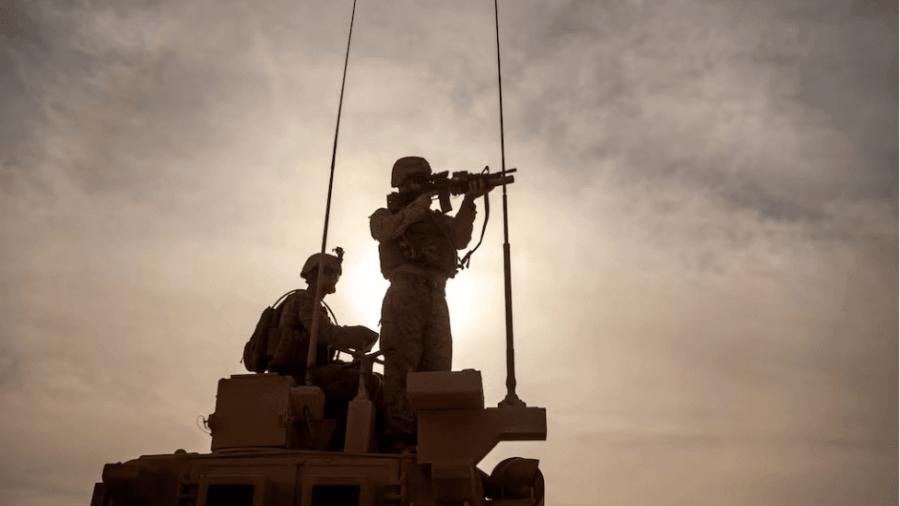
The commission member said Iran did not seek to harm neighboring countries but warned they would continue to face the consequences of regional tensions as long as U.S. forces operated from their military bases.

“The Islamic Republic of Iran does not intend to harm its neighbors and considers them its brothers, but as long as the United States uses these countries’ military bases for its actions, it is only natural that they will also suffer the consequences of these tensions.”

He rejected the idea that closer ties with Washington could provide lasting security.

“Some governments in the region believe that by relying on the United States they can guarantee their security and interests, whereas the experience of recent years has shown otherwise.”

“The greatest losses resulting from regional crises have been borne by these very countries, and if they stand firmly against the excessive demands of the United States, they will suffer fewer losses and the process of establishing security in the Persian Gulf will accelerate.”

Ajam also questioned the effectiveness of U.S. missile defense systems, including THAAD and Patriot.

“The realities on the ground have shown that, contrary to the publicity surrounding them, these systems are vulnerable, and the Americans themselves have acknowledged this weakness.”

“Some of these systems have suffered quantitative and qualitative damage, while others have been completely destroyed. In addition, replenishing equipment and continuing operations have created serious difficulties for the United States.”

He said the issue had also been reflected in statements by White House and Pentagon officials and in reports by international media.

بیشتر بخوانید:  Afghan Resistance Group Claims Gains in Badakhshan as Taliban Denies Setbacks

Ajam argued that Iran’s geographic position gave it a strategic advantage.

“The Islamic Republic of Iran enjoys a strategic advantage because of its complete command of its own geography, and the United States will not be able to change this balance even by using advanced defense systems.”

Turning to energy markets, Ajam said U.S. efforts to control global energy flows had failed.

“The evidence of the past year shows that Washington has effectively lost control of the energy market.”

“The fluctuations between ceasefire, military attacks and the escalation of crises demonstrate the absence of a clear strategy in U.S. policies. The United States is trying to manage the global market by expanding its influence over energy-producing countries, but this strategy has failed against the Islamic Republic of Iran.”

The lawmaker reiterated Iran’s position on the Strait of Hormuz, saying Tehran would defend what it considers its national interests.

“The National Security Commission and the entire system are in agreement on defending the national interests. If Iran is deprived of its interests in the field of energy, others should not expect to benefit normally from this route.”

“Managing the Strait of Hormuz and preserving the Islamic Republic of Iran’s control over this strategic waterway are principles that cannot be compromised, and the conditions in this strait will no longer return to their previous state.”

He also said the strategic waterway was vital not only for oil shipments but for broader international trade.

“The importance of this waterway is not limited to oil exports. A significant portion of commercial goods, agricultural inputs, chemical fertilizers, sulfur, aluminum and many industrial products also pass through this route.”

“Any disruption to maritime traffic through the Strait of Hormuz will affect not only the energy market but also the global trade chain and the international economy.”

Concluding the interview, Ajam praised the Iranian public and the country’s armed forces, calling national unity the country’s greatest strength.

“The solidarity of the people in cities, villages and different arenas must continue to be preserved so that the Islamic Republic can continue its path with strength.”

لینک کوتاه: https://iraf.ir/?p=132238
اخبار مرتبط

Leave a Reply

Your email address will not be published. Required fields are marked *