Recent developments in Afghanistan’s northeastern province of Badakhshan reflect a combination of political, economic, social, administrative and security challenges rather than an isolated local dispute, an Afghan analyst said, arguing that lasting stability will require addressing public grievances alongside security concerns.
Badakhshan, a strategically important province in northeastern Afghanistan known for its natural resources and ethnic and religious diversity, has recently seen reports of social protests, rising local tensions and increased activity by anti-Taliban groups. While the Taliban maintains that security has been established across Afghanistan, some analysts say economic, social and political issues remain among the country’s main challenges.
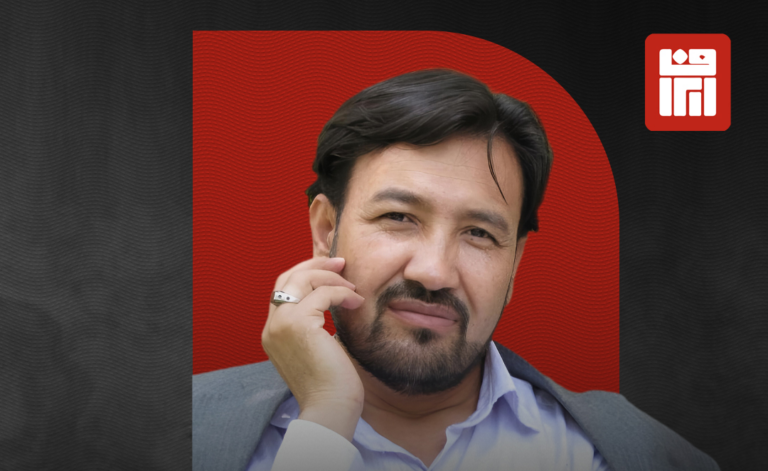
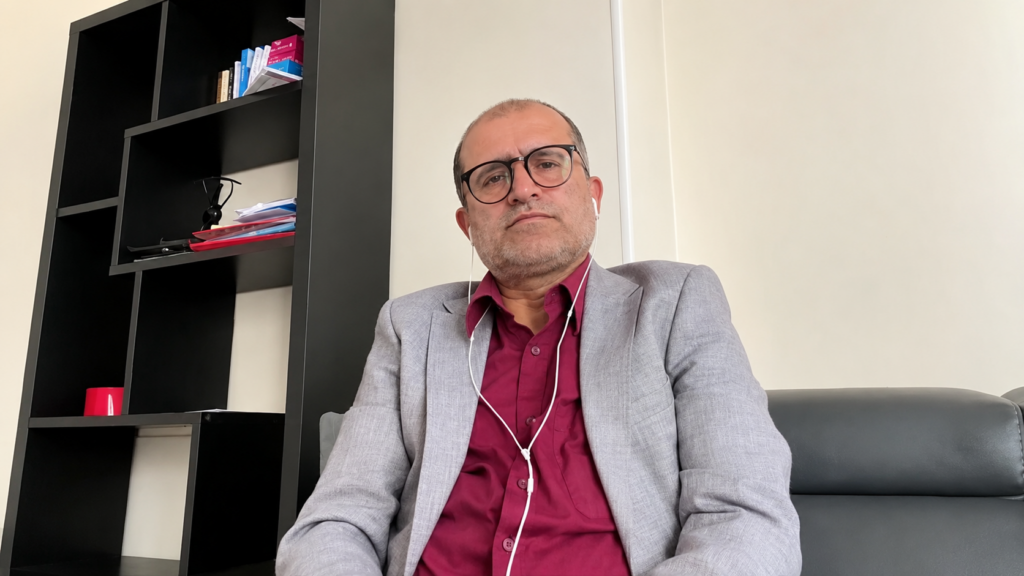
Speaking to IRAF, Zia Badakhsh, a former judge at Kabul’s Commercial Court, said the current situation in Badakhshan is the result of multiple interconnected factors and cannot be explained solely as a local protest movement.
He said public dissatisfaction has developed in parts of Afghanistan in recent years over some Taliban policies, including issues related to education, women’s participation in public life, economic conditions and the administration of different regions.
According to Badakhsh, those nationwide concerns have merged with local grievances in Badakhshan, creating conditions that have fueled broader public discontent.
Among the main factors behind the unrest, he pointed to local governance, saying some residents believe the distribution of official positions has increasingly favored individuals from outside the province following Afghanistan’s political changes.
Many local figures who previously held administrative positions were sidelined, while key government posts were assigned to non-local officials, he said, adding that limited participation by local professionals has left some residents feeling excluded from decisions affecting their own province.
Badakhsh said greater use of local administrative and human resources could help narrow social divisions and strengthen public trust.
He also highlighted Badakhshan’s considerable mineral wealth, saying debate has grown over how the province’s natural resources are managed and whether their revenues are benefiting local communities.
According to Badakhsh, many residents believe income generated from the province’s mines should be invested more directly in local development projects, employment opportunities and improving living standards.
He added that economic hardship, shrinking job opportunities, reduced commercial activity and difficulties in maintaining economic relations with neighboring countries have placed additional pressure on the province’s population.
Badakhshan’s mountainous geography has long complicated trade and economic connectivity, he said, warning that continued economic difficulties could deepen public dissatisfaction.
Badakhsh also described the province’s ethnic and religious composition as an important factor in understanding recent developments.
He noted that part of Badakhshan’s population follows the Ismaili branch of Islam and said religious differences between local communities and the Taliban’s official interpretation have become part of the province’s social landscape.
Afghanistan’s diverse regions require governance that takes local cultural and social characteristics into account, he said, warning that overlooking those differences could widen the gap between the authorities and local communities.
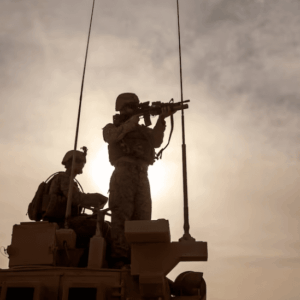
Alongside the social unrest, Badakhsh said anti-Taliban groups have expanded their activities in several parts of Afghanistan.
He cited the National Resistance Front, led by Ahmad Massoud, the Freedom Front, and Sepahiyan-e Mihan, which he described as a newly formed group made up of a number of former Afghan army officers.
According to Badakhsh, reported activity by opposition groups in several districts of Badakhshan indicates that security remains one of Afghanistan’s principal challenges.
He said opposition to the Taliban is not limited to Badakhshan, pointing to Panjshir, Baghlan, Kapisa, Nuristan, Kunar, Badghis and Farah as other provinces where political and security tensions persist.
Managing those challenges will require political solutions and broader dialogue among Afghanistan’s different parties, he said.
Reflecting on nearly five years of Taliban rule, Badakhsh said many Afghans had expected the movement’s return to power following the Doha agreement to produce a more stable political system and reduce conflict.
Many also hoped the Taliban would broaden political participation and allow different groups to play a greater role in governing the country, he said.
Instead, continuing political disagreements, social restrictions and the absence of broader political participation have remained sources of concern for parts of Afghan society.
Badakhsh said Afghanistan’s future depends on dialogue, political inclusion and reaching a framework acceptable to all Afghans, arguing that sustainable security cannot be achieved through military measures alone but also requires addressing the country’s economic, social and political challenges.
He warned that continued instability in Afghanistan could have consequences for neighboring countries, making lasting stability important not only for Afghans but for the wider region as well.