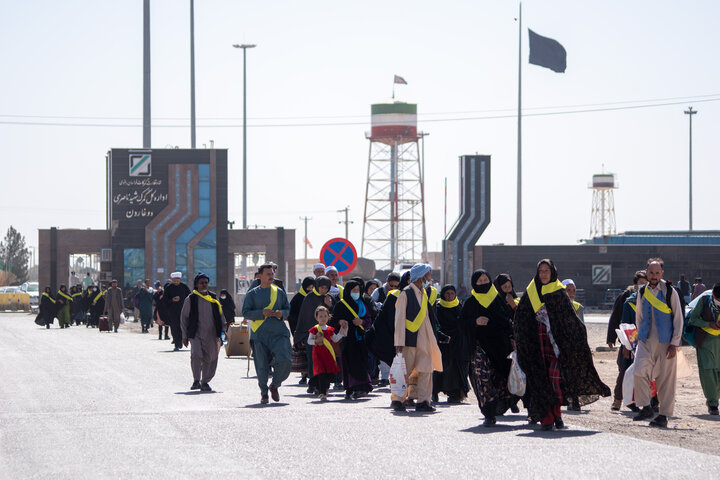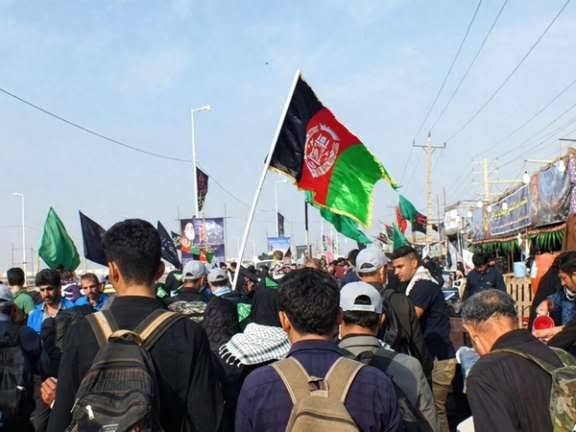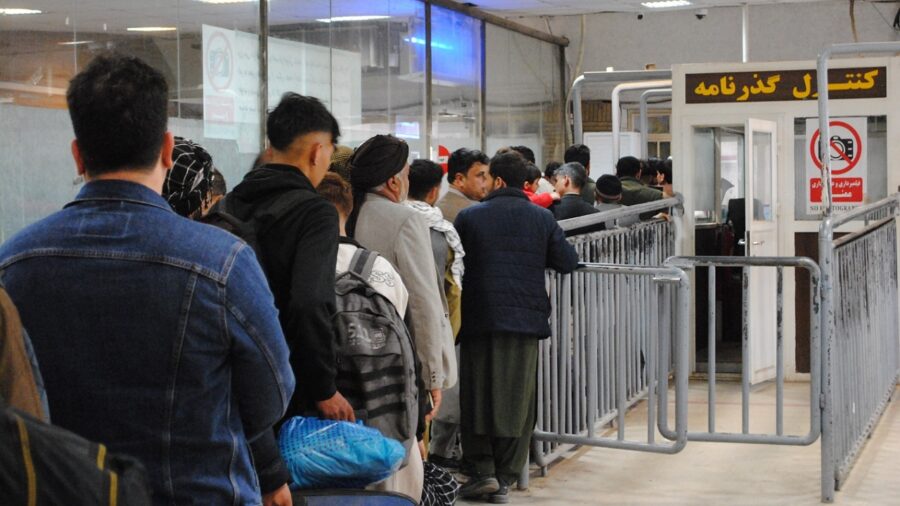
As reported by IRAF, Afghan pilgrims planning to attend this year’s Arbaeen pilgrimage remain uncertain after Iraq has yet to begin issuing visas, despite Iran announcing from the start of the month of Safar that it is ready to provide double-entry visas once Iraqi entry permits are granted.
Iranian authorities have made Iraqi visas a prerequisite for issuing their own visas, leaving Afghan applicants unable to complete their travel arrangements as they await a decision from Baghdad.
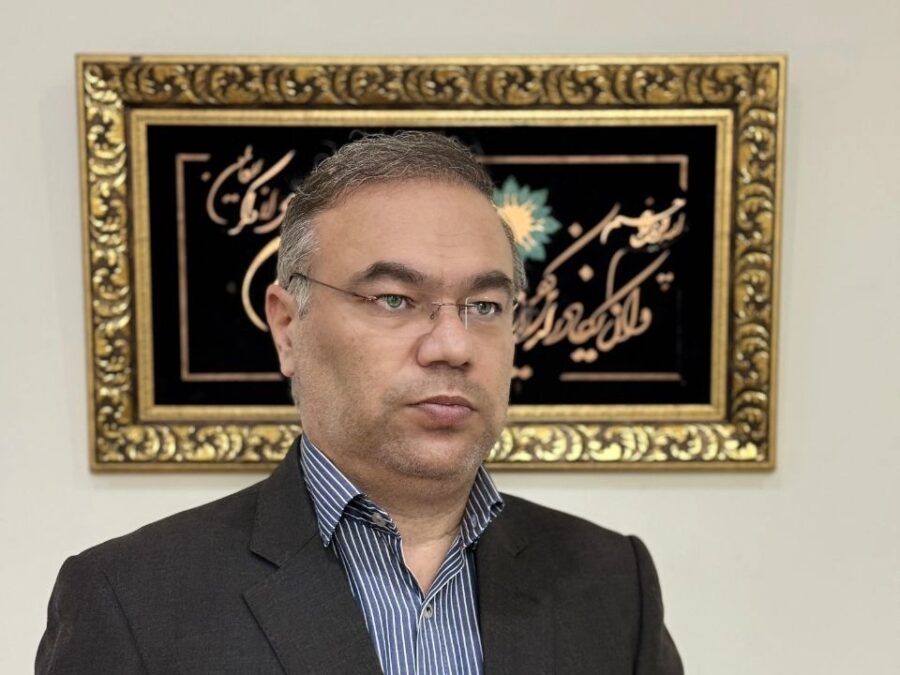
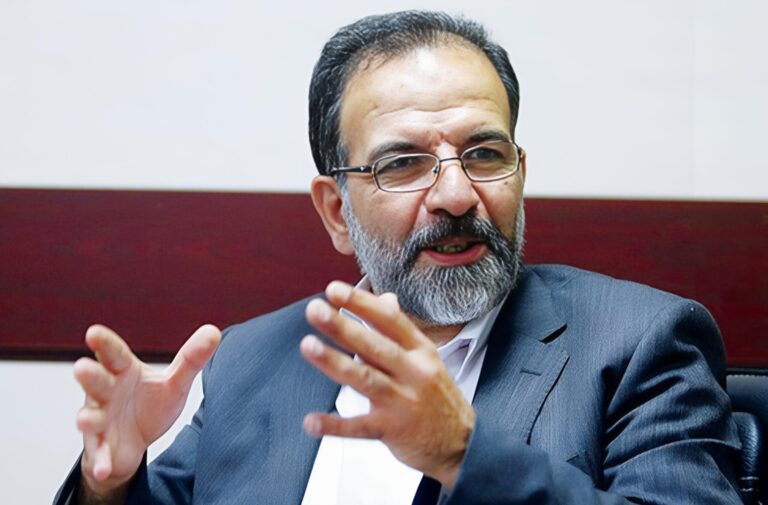
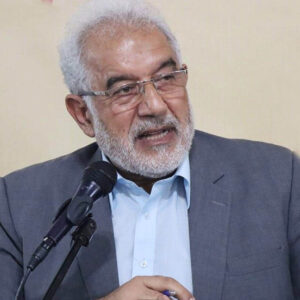
Abuzar Mohammadi, deputy head of the People’s Arbaeen Headquarters for Afghan Residents of Khorasan Razavi, said that no Iraqi visas had been issued so far, even though the 14th day of Safar had already arrived.
“Until today, which is the 14th day of the month of Safar, unfortunately not a single Iraqi visa has been issued for Afghan pilgrims, and all applicants are still waiting for the Iraqi government’s decision. Similar situations have occurred in previous years as well, with visas usually being issued in the days leading up to Arbaeen. Therefore, we remain hopeful that the visa issuance process will begin in the coming days.”
He said Iran’s diplomatic missions in Afghanistan were fully prepared to issue double-entry visas as soon as Iraqi visas became available.
“As soon as Iraqi visas are issued, Iran’s missions in Afghanistan will issue double-entry visas for pilgrims in the shortest possible time so that they can begin their journey to the holy shrines.”
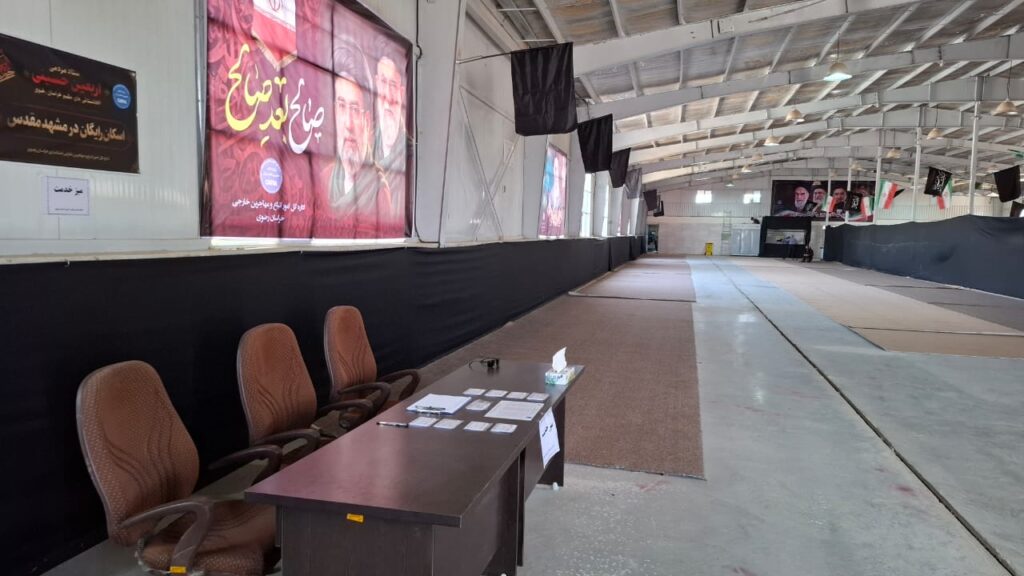
Mohammadi said accommodation arrangements for Afghan pilgrims had already been completed in Mashhad, where the People’s Arbaeen Headquarters for Afghan Residents of Khorasan Razavi has been preparing to receive pilgrims since the beginning of Safar.
“This year, 16 Husseiniyas, operating as accommodation mawkibs, are ready to host Afghan pilgrims at various locations across the city of Mashhad.”
He added that, as in previous years, the accommodation centers would provide lodging, meals and other hospitality services to pilgrims staying in Mashhad for between 24 and 48 hours before continuing to Iraq.
Addressing the main challenges facing Afghan pilgrims, Mohammadi said administrative procedures and Iraq’s visa process remained the biggest obstacle.
“The main problem continues to be administrative issues and the Iraqi visa issuance process. Last year, Iran announced the conditions for issuing its visas in the final days before Arbaeen, but Iraq did not succeed in issuing visas for Afghan pilgrims.”
While describing this year’s preparations, he said Iran had announced its visa procedures from the beginning of Safar and had designated the authorized offices responsible for processing applications.
“This year, fortunately, the Islamic Republic of Iran announced the conditions for issuing double-entry visas from the beginning of the month of Safar and also identified the authorized offices and companies. However, because the issuance of Iranian visas depends on obtaining Iraqi visas, pilgrims remain in limbo, and no clear directive has yet been issued by Iraq on this matter.”
Mohammadi also urged officials and community leaders to begin planning for Arbaeen well in advance rather than waiting until the final weeks before the pilgrimage.
“Our recommendation to caravan officials, pilgrimage companies and the seniors of the Afghan community is not to postpone planning for Arbaeen until the final days and weeks. The necessary coordination should be carried out months in advance, and through unified management, the issue of visa quotas and negotiations with the Iraqi side should be pursued seriously.”
He said many of the recurring problems experienced each year could be avoided if caravan representatives and those involved in organizing pilgrimages acted through unified management and coordinated planning.
Mohammadi also advised pilgrims to be prepared for immediate travel should visa issuance begin in the coming days.
“Even if the visa issuance process begins today, several days will be needed for the issuance of visas by both countries and for pilgrims to reach the border, and they may arrive at the border at the same time as Arbaeen.”
He said pilgrims should avoid unnecessary delays after entering Iran.
“Pilgrims should plan in such a way that after entering the Dogharoun border, they travel directly to Iraq’s border crossings without stopping, because the main purpose of this journey is to attend the Arbaeen ceremony. There will be an opportunity to visit and spend time in the cities of Mashhad and Qom on the return journey.”
Mohammadi warned that any delay could prevent pilgrims from reaching Iraq before border restrictions are imposed after Arbaeen.
“With the end of the Arbaeen period, there is a possibility that Iraq’s borders will be closed. If pilgrims are delayed along the way, they may miss the Arbaeen pilgrimage. Therefore, it is recommended that they refrain from carrying unnecessary belongings and luggage, including souvenirs, and arrive at the border fully prepared for direct travel to Iraq.”
Regarding the expected visa allocation, Mohammadi said unofficial reports suggest Iraq may allocate 15,000 visas to Afghan pilgrims, although no official confirmation has yet been issued.
“According to the information that has so far been raised unofficially, there is a possibility that Iraq will allocate 15,000 visas for Afghan pilgrims, and if this materializes, the Islamic Republic of Iran will issue the same number of double-entry visas. However, no official and transparent announcement has yet been made regarding whether this quota is final or it may be increased.”