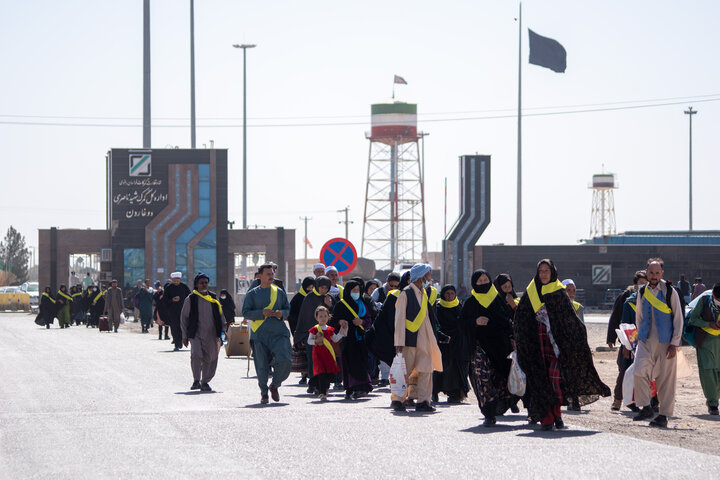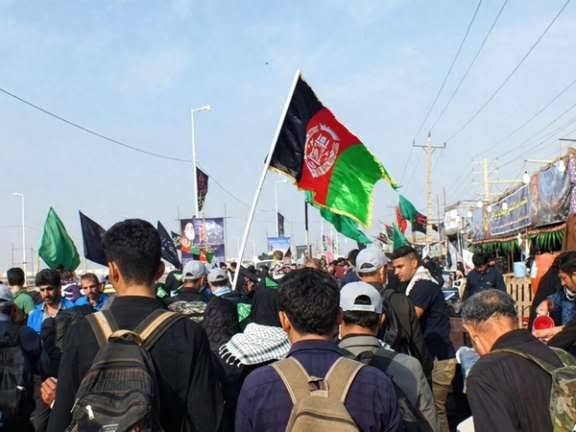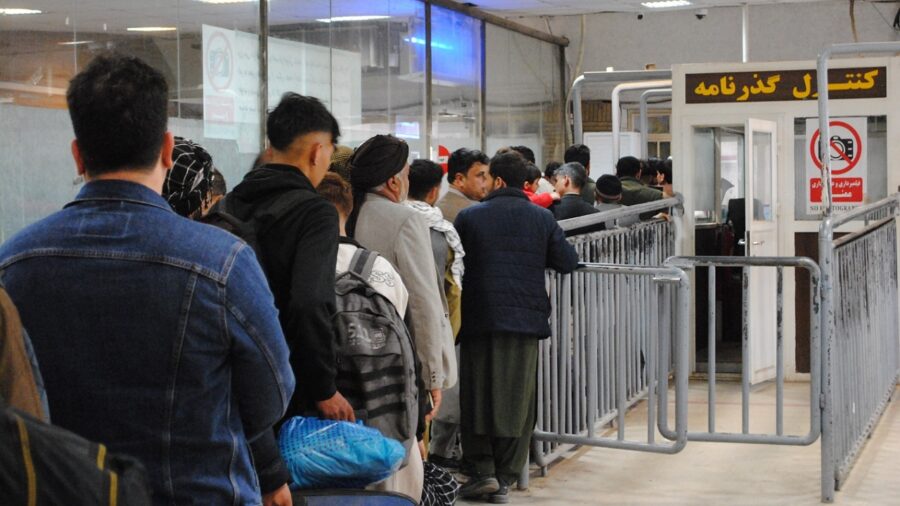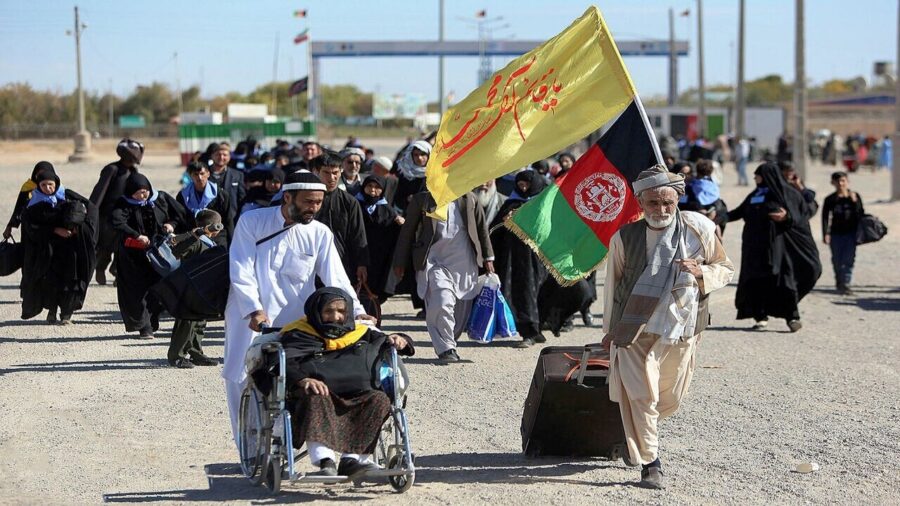
Delays in Iraq’s approval of entry permits, the absence of a formal diplomatic mechanism between Kabul and Baghdad, and the problem of some pilgrims remaining in the country after their trips are among the main factors that prevent Afghan pilgrims from arriving on time for Arbaeen, the world’s largest Shia religious gathering. The head of Afghanistan’s Non-Governmental Arbaeen Committee says that if coordination is carried out earlier, thousands of Afghan pilgrims could also take part in the Arbaeen procession alongside millions of devotees of Imam Hussein.
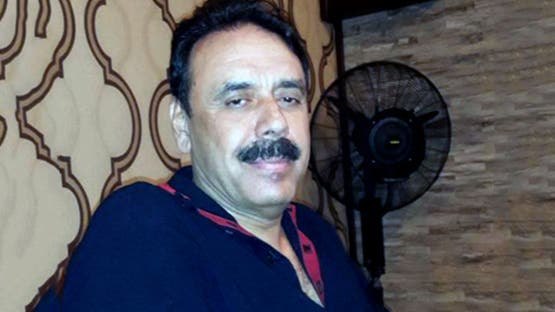
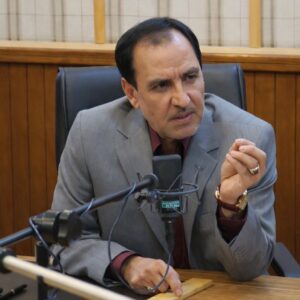
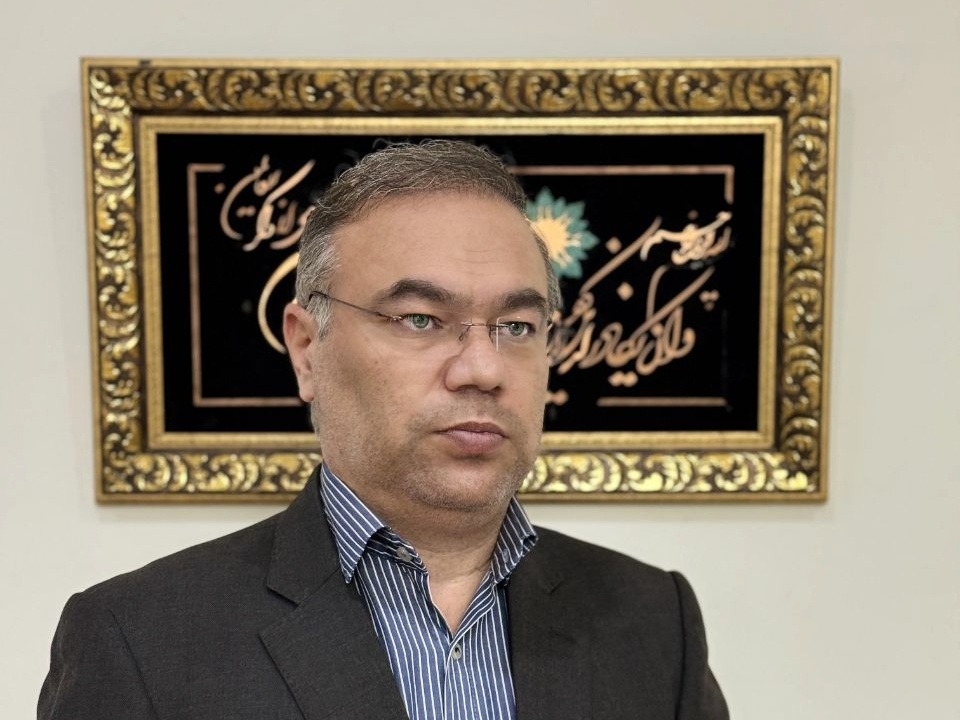
Seyyed Reza Hosseini Meysam, head of Afghanistan’s Non-Governmental Arbaeen Coordination Committee, told IRAF in an exclusive interview that delays in sending Afghan pilgrims to Iraq have been repeated almost every year.
“This problem has existed almost every year, and the most important reason is the absence of diplomatic relations and interactions between the government of the Republic of Iraq and the authorities currently in power in Afghanistan.”
he said. According to him, the absence of such relations has prevented the coordination that usually takes place between governments on such matters, creating serious problems for the process of Afghan pilgrims’ entry into Iraq.
He added:
“Another problem is the late announcement of approval for the entry of Afghan pilgrims by the Iraqi Ministry of Interior. This approval should be issued at an appropriate time so that the registration, visa issuance and arrangements for sending pilgrims can be carried out based on it, but in previous years, this permit has usually been announced only a few days before Arbaeen.”
Hosseini Meysam continued:
“In such a short period, registration, coordination, obtaining visas and arranging the pilgrims’ departure face many difficulties, and as a result, Afghan pilgrims usually enter Iraq after Arbaeen Day and until the end of the month of Safar.”
Emphasizing the need to establish a coherent mechanism to follow up on Arbaeen-related affairs, he said:
“Under Afghanistan’s previous government, a special government Arbaeen committee operated under the Ministry of Information and Culture and was responsible for coordinating and arranging matters related to the dispatch of pilgrims, but such a structure no longer exists.”
The head of Afghanistan’s Non-Governmental Arbaeen Coordination Committee added:
“At present, a group of volunteers and interested individuals, in the form of Afghanistan’s Non-Governmental Arbaeen Coordination Committee, are carrying out some of the coordination and follow-up related to the dispatch of pilgrims with limited resources and capacity.”
He said that despite its limitations, the committee has achieved valuable results in previous years.
Regarding services provided to Afghan pilgrims after Arbaeen ends, he said:
“The service network for Afghan pilgrims is active in three countries: Afghanistan, Iran and Iraq. In Afghanistan, the mawkib stationed in Herat and at the Islam Qala border provides free services, including accommodation, food and transportation coordination, until the last pilgrim leaves.”
Hosseini Meysam continued:
“In Iran, the Popular Arbaeen Headquarters for Migrants is responsible for accommodation, hospitality and coordination of pilgrims’ affairs from the Dogharoun border to the city of Mashhad, and these services are provided through 15 to 16 migrant mawkibs.”
He added:
“Although many Iraqi mawkibs end their activities after Arbaeen Day, through coordination carried out since last year, the holy shrines of Hussein, Abbas and Ali continue to provide free food services until the Afghan pilgrims are present. In addition, a number of Iraqi and Afghan husseiniyas and mawkibs also continue to serve pilgrims until the end of the month of Safar.”
The head of Afghanistan’s Non-Governmental Arbaeen Coordination Committee described the “remaining of pilgrims” as one of the most important concerns of the governments of Iran and Iraq and said:
“Some people from Afghanistan use Arbaeen visas not with the aim of pilgrimage, but with the motivation of employment, and after entering Iran or Iraq, they do not return to their country.”
He added:
“This is a reality, and it is natural for the governments of Iraq and the Islamic Republic of Iran to be sensitive to it. For this reason, Afghan tourism companies obtain guarantees from pilgrims to return to the country after the end of the trip, but despite these measures, it cannot be said that the remaining of pilgrims has been completely eliminated.”
Hosseini Meysam said that these problems are not limited to Afghanistan, adding:
“Pakistan also faces challenges such as delays in issuing visas and problems with land transportation, but the number of Pakistani pilgrims remaining in Iraq is by far higher than that of Afghan pilgrims.”
In another part of the interview, he identified the most important consequence of delays in sending Afghan pilgrims as depriving them of participation in the massive Arbaeen gathering on Arbaeen Day.
“Participation in the Arbaeen procession and experiencing the spiritual atmosphere of the area between the two holy shrines is the most important part of this journey; a blessing that, unfortunately, is taken away from many Afghan pilgrims every year,”
he said.
The head of Afghanistan’s Non-Governmental Arbaeen Coordination Committee continued:
“This delay, in addition to depriving pilgrims of the main atmosphere of Arbaeen, also increases travel costs for low-income groups; because after Arbaeen ends, many mawkibs stop their activities and pilgrims are forced to personally pay for accommodation and food, which creates additional economic pressure on low-income families.”
Hosseini Meysam also addressed Afghan tourism companies and pilgrimage caravans, saying:
“You are the servants of the pilgrims; do not undermine this position by registering non-pilgrims and violating the rights of genuine pilgrims.”