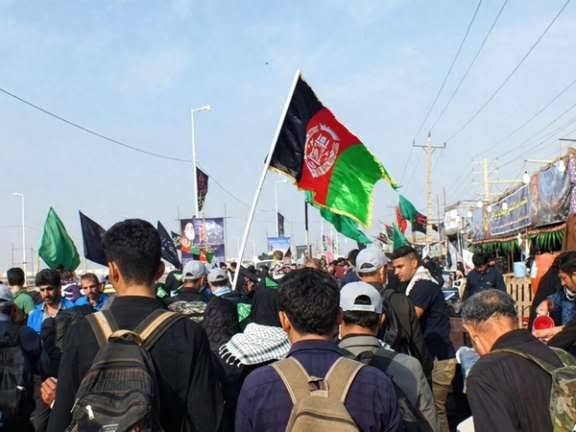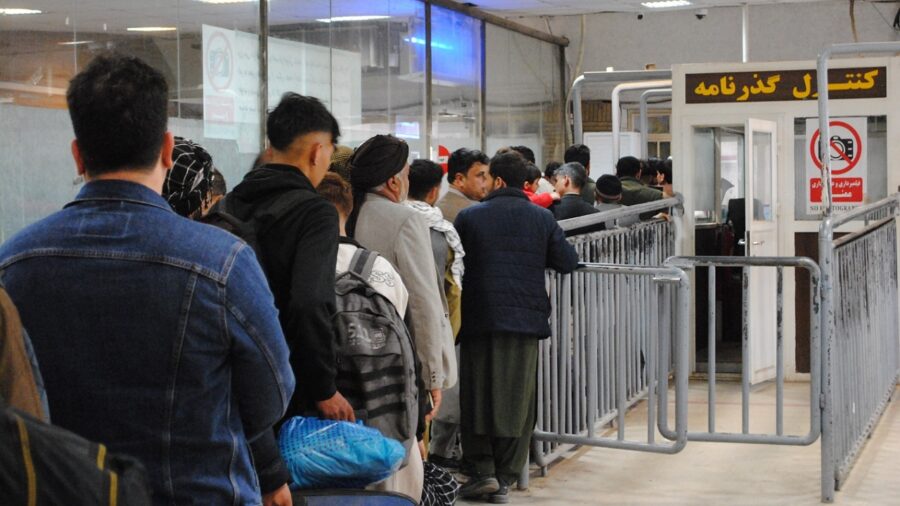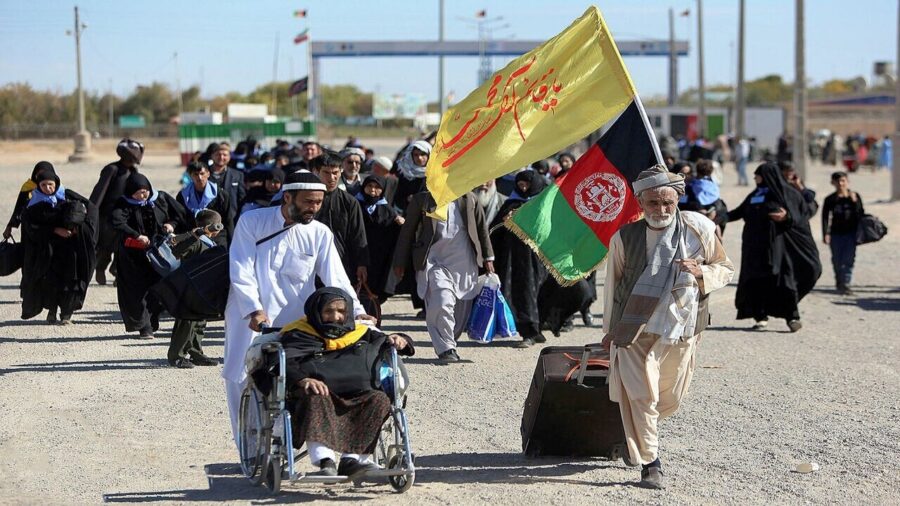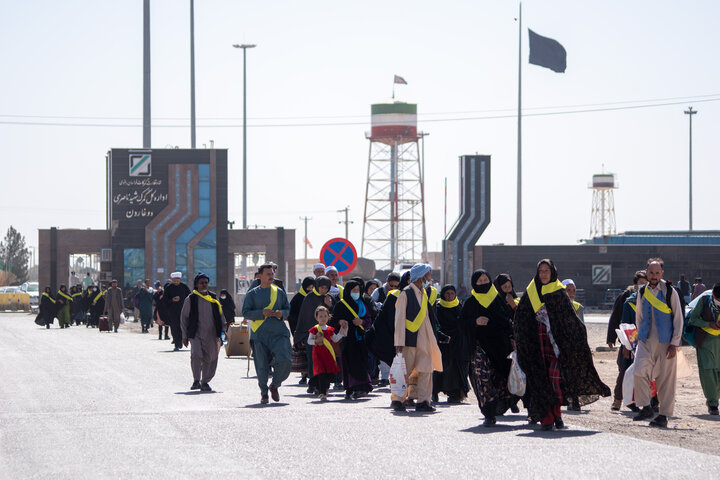
Dozens of Afghan pilgrims travelling to Iraq for the Arbaeen pilgrimage have been left waiting for hours near Iran’s Dogharoun border crossing due to delays and coordination problems involving some travel companies responsible for their transportation, according to reports received by IRAF.
The pilgrims said some companies tasked with transporting them from Afghanistan to the Iranian border and coordinating the next leg of their journey had failed to meet their commitments, including providing the designated buses needed to enter Iran.
Under the operational guidelines, Afghan pilgrimage groups are required to enter Iran using buses from Afghanistan’s domestic transport fleet. The lack of buses at the scheduled time has therefore prevented some pilgrims from proceeding according to plan.
The disruption comes after Iraq’s visas for Afghan pilgrims were issued following lengthy delays. Although pilgrimage companies had completed registration procedures in advance, the limited time remaining for the journey had raised the need for closer coordination of transportation arrangements.
Reports from Dogharoun indicate that delays in bus arrangements, late departures or the transfer of transportation responsibilities to pilgrims themselves have added to the difficulties faced by travellers.
In recent days, some pilgrims have reportedly travelled toward the border in private vehicles after the designated buses failed to arrive. But under the applicable procedures, pilgrimage groups can cross the border only when travelling with buses from Afghanistan’s domestic transport fleet.
As a result, the transport problems have left dozens of Afghan pilgrims waiting and uncertain about when they can continue their journey.
The disruption has also become the subject of criticism directed at Iran. However, based on the information available, entry of Afghan pilgrims into Iran through the designated route remains in place, while groups travelling in accordance with the operational guidelines and using the required fleet have been able to enter and continue their journey normally.
Afghan pilgrims had already faced several difficulties before reaching the Iranian border. Delays in issuing Iraqi visas forced some travellers to leave later than initially planned, leaving them with limited time to reach Iraq. Further transportation delays could put additional pressure on pilgrims whose travel schedules have already been compressed.
Many of the pilgrims have travelled from remote parts of Afghanistan and paid significant amounts for the journey. Some are travelling with families and children, while others have elderly relatives with them, making prolonged waits at the border and uncertainty over the continuation of their journey particularly difficult.