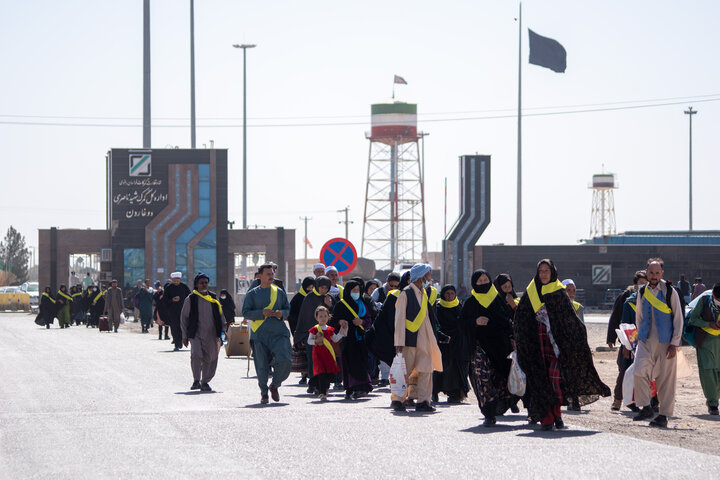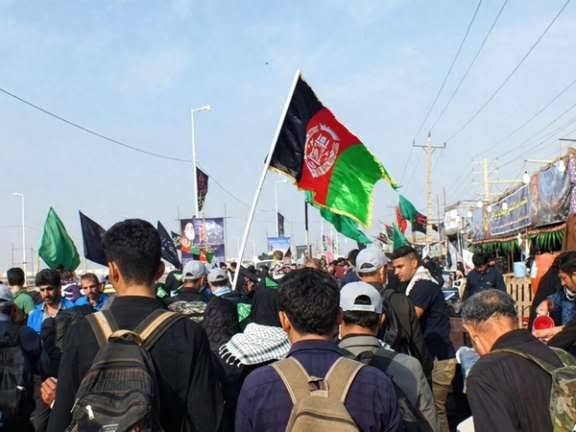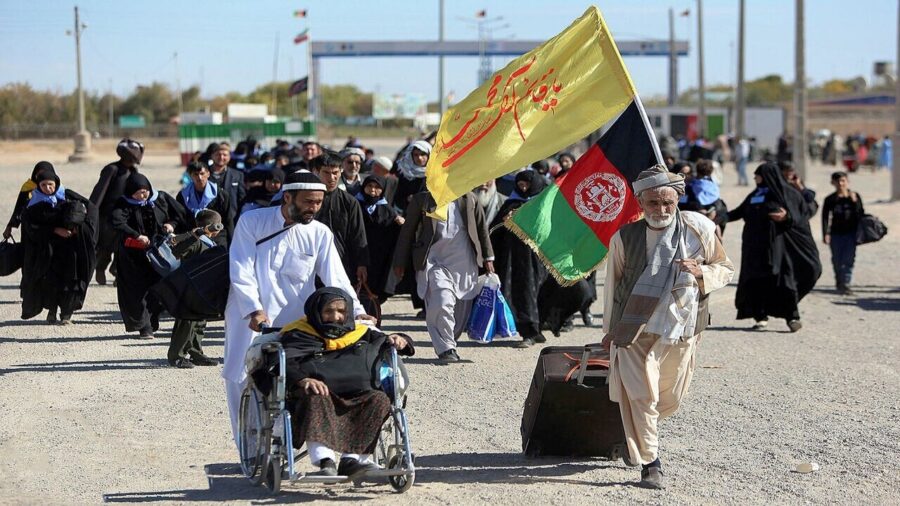
As reported by IRAF, Iraq’s decision to allocate 15,000 Arbaeen visas for Afghan pilgrims has opened a pathway for some to attend the annual Shiite pilgrimage, but the limited quota and late timing of visa issuance have raised concerns among thousands of Afghan applicants who say the measure may leave many unable to take part.
For many Afghan pilgrims who have spent months preparing to visit Karbala and join the Arbaeen procession, the announcement of visas just three days before Arbaeen has turned the journey into a race against time. The delay has raised fears that many will miss a significant part of the religious gathering despite their long-standing plans to participate.
Iraq has allocated only 15,000 visas for Afghan pilgrims, while in previous years the number of Afghan migrants residing in Iran who took part in Arbaeen reached tens of thousands. The limited allocation has disappointed many prospective pilgrims who now face the possibility of abandoning their plans due to a lack of available visas.
Quota below demand
The number of Afghan pilgrims seeking to participate in Arbaeen typically exceeds 50,000. In recent years, despite economic difficulties, challenging travel routes and administrative restrictions, thousands of Afghans have prepared to join the event.
However, restrictions introduced over the past one to two years, combined with delays in decision-making, have created major obstacles for Afghan pilgrims.
The allocation of 15,000 visas represents only a portion of the expected demand, leaving many applicants unable to travel despite their willingness and preparations. Some pilgrimage organizers and activists have described the quota as insufficient and called for an increase.
Late visa issuance threatens pilgrims’ plans
Beyond the number of visas, pilgrims have also criticized the timing of their announcement and issuance. Arbaeen is not simply a single-day event; pilgrims plan their journeys along the Najaf-Karbala route, where they seek to participate in walking processions, receive services from volunteer stations and experience the collective gathering of millions of people.
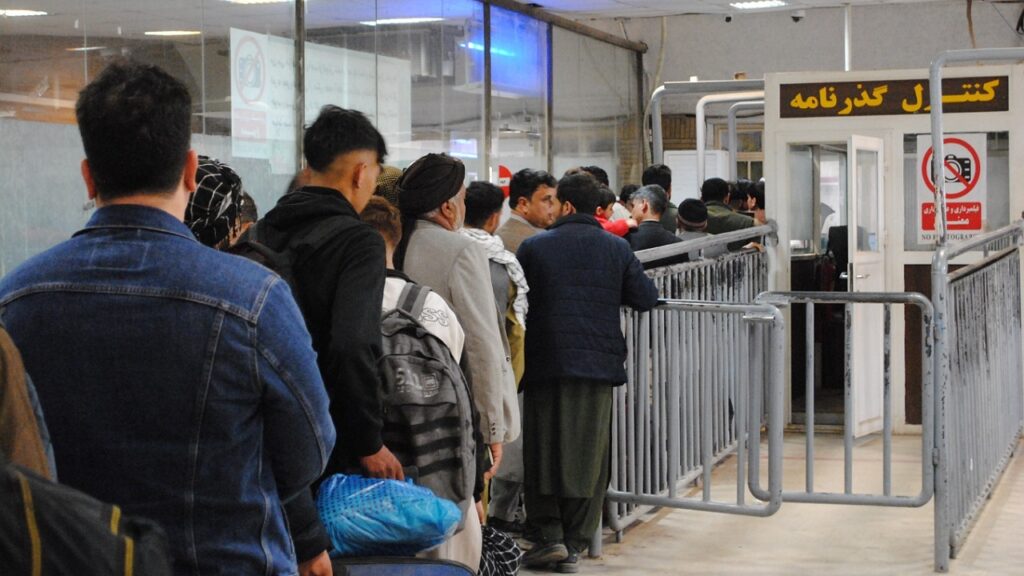
With visas issued only in the final days before Arbaeen, many Afghan pilgrims are forced to travel under severe time pressure. For Afghan travelers, reaching Iraq often requires additional time due to geographical distance, transportation challenges and border procedures.
The delay could mean that some pilgrims arrive after many of the main Arbaeen activities have already passed. For many, the purpose of the journey is not only reaching Karbala, but also taking part in the walking route, spending several days along the pilgrimage path, benefiting from volunteer services and experiencing the wider communal atmosphere.
Late travel also increases costs for pilgrims, who may have to pay more for accommodation, food and other services. Earlier visa issuance and smoother travel arrangements could help reduce these additional expenses.
Concerns over visa black market
The combination of limited visa availability and time pressure has also raised concerns about the possible emergence of a black market for visas.
With this year’s quota significantly lower than previous expectations, reports of potential visa trading have sparked concerns among some applicants. Previous experiences have shown that when demand for travel permits exceeds available capacity and time is limited, opportunities arise for brokers to exploit the situation.
Such practices could allow individuals to sell visas at inflated prices, potentially giving priority to those with greater financial means rather than genuine applicants. This could create unfairness and expose pilgrims to legal and security risks.
Iraq has previously cited concerns over some single pilgrims failing to return after Arbaeen as a reason for restrictions. However, instead of limiting the number of visas, authorities could consider stronger guarantees and monitoring mechanisms to ensure pilgrims’ return.
Arbaeen as more than a religious journey
For many Afghans, Arbaeen is not only a religious trip but also an opportunity to connect with millions of people from different nationalities, express solidarity and participate in one of the world’s largest public gatherings.
Afghan pilgrims see themselves as part of the wider Arbaeen community and view their participation as an expression of their connection to Imam Hussein, the Ashura tradition and the broader values associated with the movement.
A pilgrim traveling thousands of kilometers to reach Iraq is seeking more than a visit to a holy site. They aim to join Iraqi, Iranian, Pakistani, Lebanese and other communities, receive and provide services at volunteer stations, and experience a collective display of solidarity.
For this reason, Afghan pilgrims’ visa arrangements require a longer-term approach. Limited quotas and late announcements not only create logistical difficulties but also reduce the opportunity for many willing participants to join one of the world’s largest religious gatherings.
Afghan pilgrims are now waiting for authorities to review the number of allocated visas and speed up the issuance process, allowing them to participate in the Arbaeen pilgrimage with greater certainty and proper planning.