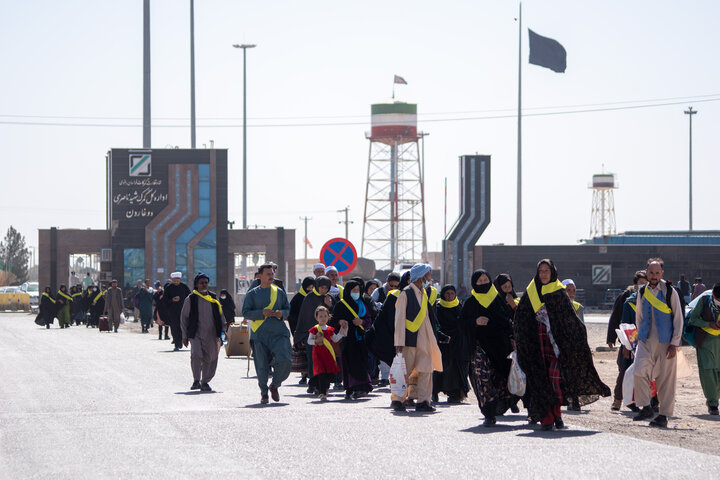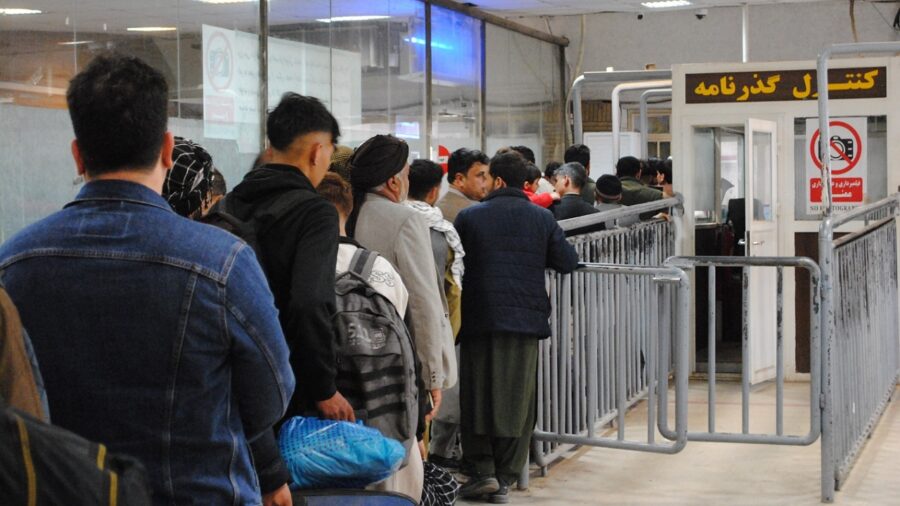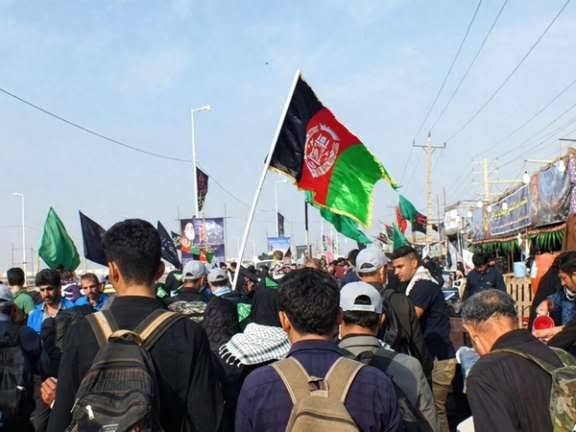
Around 2,000 Afghan Arbaeen pilgrims have entered Iran through the Dogharoon border crossing, but delays by the Iraqi government in approving visas have left many arriving after the main Arbaeen commemorations had ended. Despite the late arrival, Iranian organizers say arrangements have been made to provide accommodation, meals and logistical support for the pilgrims in both Iran and Iraq.
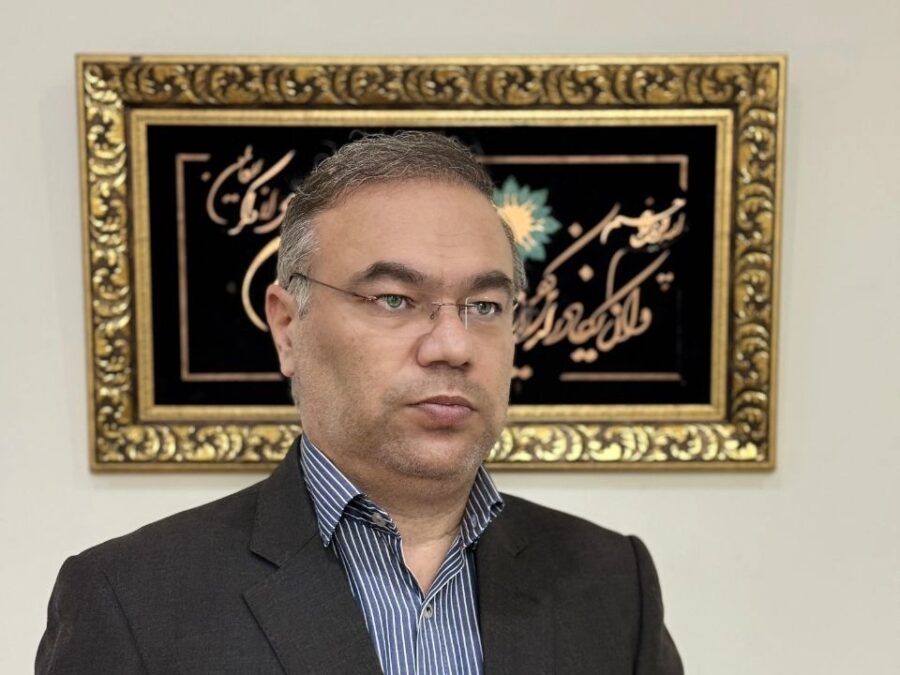
Speaking exclusively to IRAF, Abuzar Mohammadi, deputy head of the People’s Arbaeen Headquarters for Afghan Residents of Khorasan Razavi, said that after the Iraqi government approved the entry of Afghan pilgrims on the 18th of Safar, Iranian diplomatic missions in Afghanistan immediately began issuing visas, and the first convoy crossed into Iran through the Dogharoon border just one day later.
However, the delay in Iraq’s visa approval process effectively deprived Afghan pilgrims of the opportunity to participate in the main Arbaeen gathering. According to the report, the late issuance of Iraqi visas has become a recurring problem that affects Afghan pilgrims every year.
As a result, pilgrims traveling from across Afghanistan reach Iran during the final days of Safar and continue on to Iraq after many Arbaeen service camps (mawakib) have already ceased operations. They must therefore pay for accommodation, meals and other services as regular tourists, whereas earlier visa issuance would have allowed them to benefit from the free services normally provided to Arbaeen pilgrims.
Referring to the Haj Qassem Soleimani service camp at the Dogharoon border, Mohammadi said:
The Haj Qassem Soleimani service camp is located at the zero point of the Dogharoon border crossing, where Afghan pilgrims can access its services immediately after entering Iran.
Explaining the pilgrims’ travel arrangements, Mohammadi said:
“Most pilgrims travel with Afghan transport fleets directly from cities such as Kabul, Mazar-e-Sharif and Herat to the Chazabeh border crossing, and they prefer not to remain in Iran for an extended period, instead wishing to reach the spiritual atmosphere of Arbaeen in Iraq as quickly as possible.”
He added:
“Although the People’s Arbaeen Headquarters for Afghans in Khorasan Razavi is fully prepared to accommodate pilgrims in Mashhad, most pilgrims prefer to continue their journey directly so they can benefit from the final days of the Arbaeen ceremonies and the atmosphere of pilgrimage in Karbala.”
Mohammadi said extensive coordination had been carried out to support pilgrims along the route, adding:
“Despite the fact that many Arbaeen service camps have ended their activities, coordination has been made with several service camps in the provinces of Semnan, Qom and along the Arak route so that Afghan pilgrims can receive meals and welfare services at any hour of the day or night. The addresses and contact numbers of these service camps are also provided to the pilgrims and caravan leaders at the Martyr Soleimani service camp.”
He also said that coordination had been made with several service camps inside Iraq, stating:
“Some volunteers have been asked to keep their service camps operating for a longer period so that Afghan pilgrims can also benefit from accommodation, hospitality and other services at these camps inside Iraq.”
Referring to the continued arrival of pilgrimage groups, Mohammadi said:
“Starting tomorrow, pilgrims from more distant parts of Afghanistan, including the northern regions, will also enter Iran. Naturally, these pilgrims arrive at the border later because of the longer journey, and if they need to rest, the service camps in Mashhad remain ready to receive and accommodate them.”
Concluding his remarks, Mohammadi said:
“The limited visa quota, the delay in announcing the Iraqi government’s approval, and the compressed deployment schedule created challenges for pilgrims this year. However, the People’s Headquarters has sought to offset some of these difficulties by coordinating among various institutions and the network of service camps in Iran and Iraq, and to provide better conditions for serving the pilgrims.”
Afghan pilgrims are heading toward Iraq even though the Arbaeen commemorations have already concluded and most service camps in both Iran and Iraq have ended their operations. According to the report, delays by the Iraqi government in deciding on Arbaeen visa issuance continue to leave Afghan pilgrims arriving behind schedule year after year.