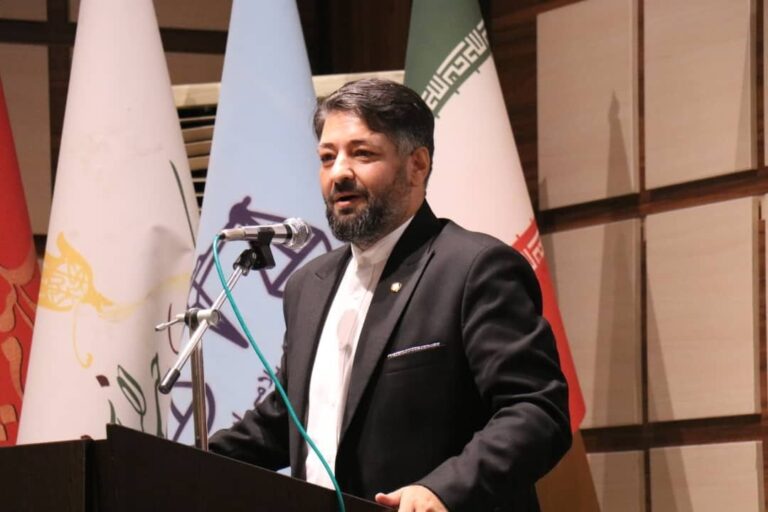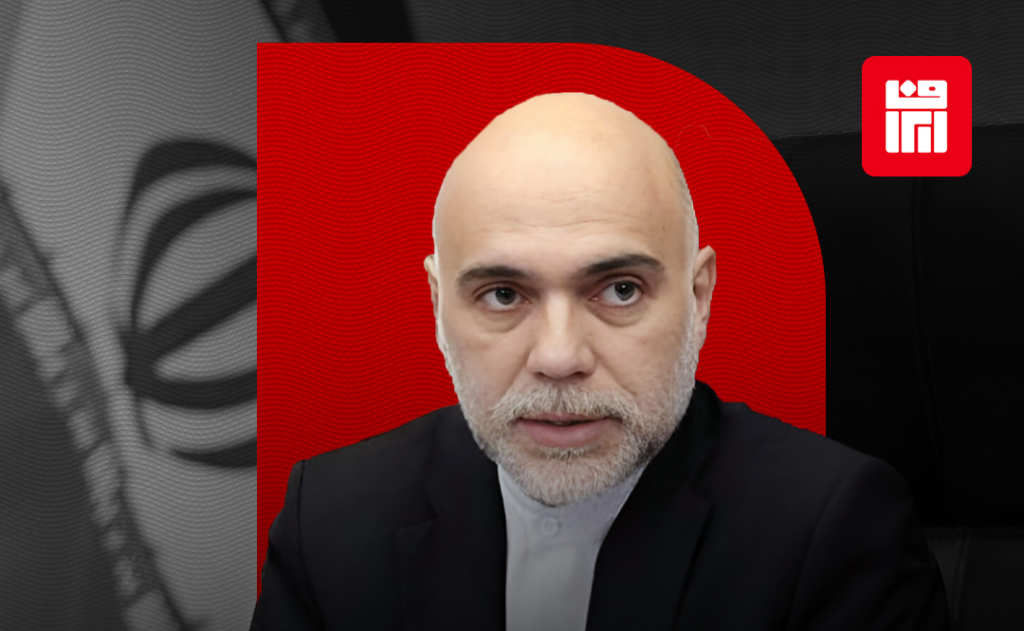
Ashkan Mombeini, a senior international affairs analyst, writes in an exclusive report:
Nearly five years have passed since the Taliban returned to power in Afghanistan, a development that marked a turning point in the region’s political and security dynamics in the summer of 2021. The shift not only reshaped Afghanistan’s domestic landscape but also affected the country’s relations with neighboring states, regional security trends, and international engagements.
Although the Taliban has managed to maintain control over most of Afghanistan’s territory and operate the country’s administrative structures, it continues to face a fundamental challenge: the crisis of international legitimacy.
The key question remains: Why, despite several years of the Taliban’s rule, does much of the international community still refuse to formally recognize its government?
The answer lies in Afghanistan’s state-building and governance process. In the international system, territorial control alone is not sufficient to secure political legitimacy. A government can gain broader acceptance and international recognition only when, alongside effective authority, it enjoys national participation and domestic support.
For this reason, many countries argue that Afghanistan’s political structure must reflect the presence and participation of all ethnic groups, religious communities, political parties, and social currents, and that the country’s future government should be built on genuine inclusion rather than the concentration of power in the hands of a single group.
Iran’s stated position on Afghanistan has also been based on this principle since the beginning of the country’s political transition. Tehran has consistently emphasized the formation of an inclusive national government involving all Afghan ethnic groups, religious communities, political parties, and movements. Iran maintains that Afghanistan’s future should be determined by its own people and that no lasting solution can emerge through foreign intervention.
According to this view, only a national dialogue among all Afghan stakeholders can create the conditions for sustainable peace, stability, and development.
The experience of two decades of US and allied military presence in Afghanistan also demonstrated that externally imposed solutions failed to establish lasting security and stability and instead contributed to the complexity of the country’s crises. Therefore, resolving Afghanistan’s challenges must come from within the country and through the will of the Afghan people rather than external interference.
At the same time, the reality remains that the Taliban is currently responsible for governing Afghanistan and bears direct responsibility for the country’s future. Therefore, the group is expected to adopt a different approach to governance in line with new regional and international realities.
The formation of an inclusive national government with meaningful participation from all Afghan groups, expanding national dialogue, developing constructive relations with neighboring countries, strengthening ties with the international community, adhering to international commitments, and respecting the rights of all citizens are among the measures that could reduce the concerns of many countries regarding the Taliban’s rule.
At present, Afghanistan’s state-building process continues to face serious challenges. Although the Taliban has held political power for a significant period and established territorial control across the country, only a small number of countries have moved toward formally recognizing its government.
This indicates that international legitimacy is not primarily a result of the passage of time, but rather depends on the quality of governance, the level of political participation, engagement with the international community, and the degree of domestic acceptance.
Changing this situation will largely depend on the Taliban’s own decisions and actions. If the group can reform its governance approach, establish an inclusive national government, and expand meaningful participation among Afghanistan’s ethnic groups, religious communities, political parties, and social forces, it could strengthen national trust and pave the way for broader engagement with the international community.
However, continued political exclusivity will likely keep the process of international recognition uncertain and contested.
Undoubtedly, peace, security, and stability in Afghanistan serve not only the interests of the Afghan people but also represent a shared interest among neighboring countries. Economic development, counterterrorism efforts, combating drug trafficking, managing migration, and expanding regional cooperation all depend on the existence of a stable, secure Afghanistan with effective governance.
Today, the Taliban faces a historic test. If the group seeks to consolidate its position in the international system, promote economic development, and secure a stable future for Afghanistan, the path toward achieving these goals lies through the establishment of an inclusive national government, genuine participation of all Afghan groups, constructive engagement with neighboring states, and responsible relations with the international community.
Only under such conditions can the international community’s current skepticism gradually give way to greater engagement, cooperation, and acceptance, allowing Afghanistan to move toward lasting peace, stability, and development based on national unity and the will of its people.