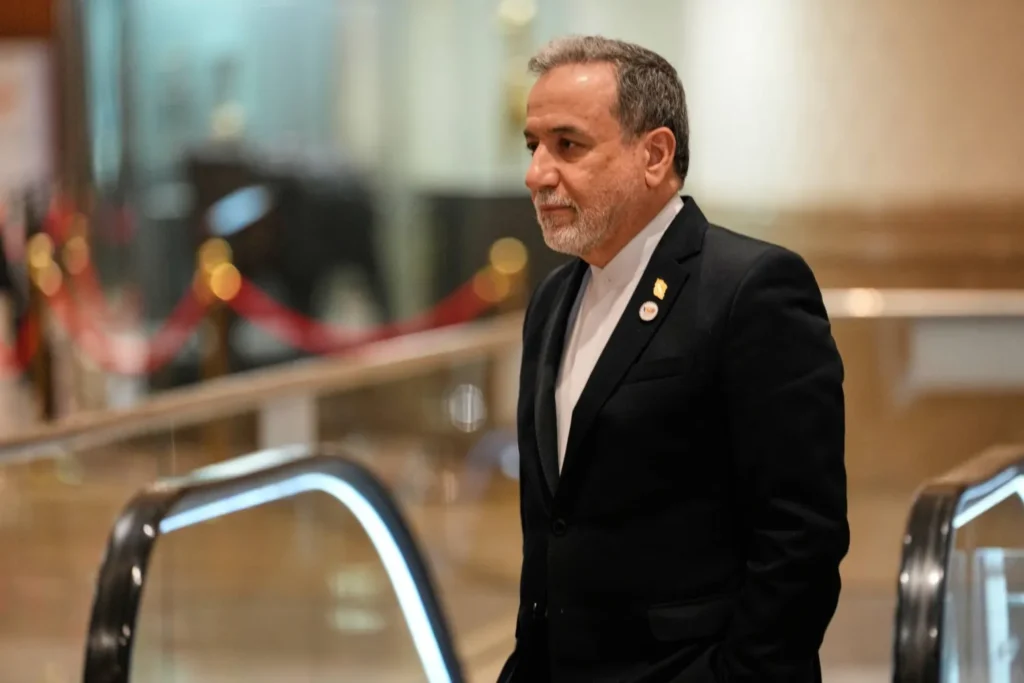
According to Iraf, Seyed Abbas Araghchi, the Foreign Minister of the Islamic Republic of Iran, delivered a speech at the BRICS Foreign Ministers’ meeting under the theme “Enabling Resilience, Innovation, Cooperation, and Sustainability” in New Delhi. The text of his speech is as follows:
Today, we stand at a point in history where the world faces two paths: the continuation of worn-out and ineffective structures, or the transition toward a new reality defined by justice and balance. Today, innovation is not merely a slogan; it is a strategic necessity. We are seeking a way to move from transient crises toward enduring structures.
The world today needs a shift from “crisis management” to “opportunity management.” In order to maintain our position in today’s fast-paced world, we should not only be reactive; we must also enable positive change. This path involves four main pillars: innovation, resilience, cooperation, and sustainability.
In today’s world, innovation is not limited to technological advancements; it must also permeate governance practices and development models. Within BRICS, we must work to bridge digital and technological gaps. Our approach should ensure that access to knowledge and technology transitions from an exclusive privilege to a public tool for collective growth. We need innovation in financial structures and knowledge exchange systems to go beyond the monopolies of traditional powers.
Innovation within BRICS should not be confined to laboratories; it must also flow into policymaking. We must create an environment where the exchange of technology, knowledge, and human capital among member countries occurs without obstacles. The goal is to establish a shared innovation ecosystem where startups and research centers in member countries collaborate in a synergistic network to address global challenges, such as food security and energy, rather than engage in destructive competition.
The world today faces successive shocks in economic, environmental, and security domains. Current systems have proven highly fragile against these shocks.
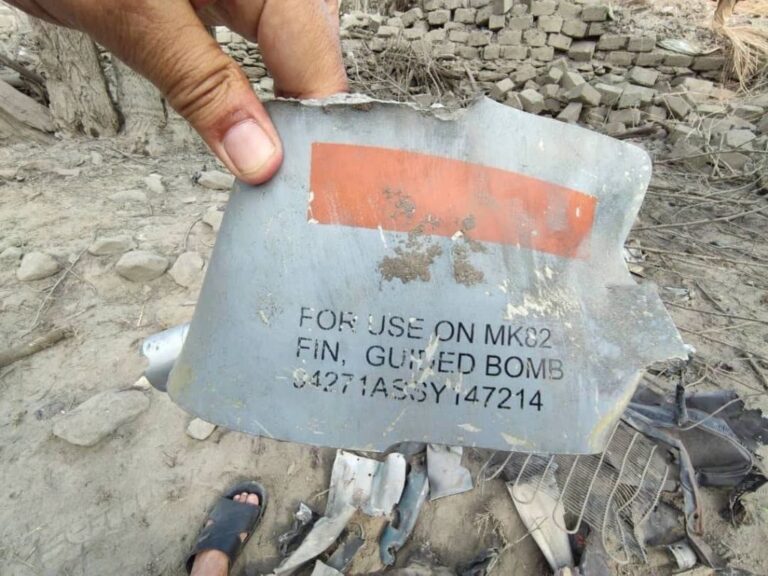
Wars are among these shocks. Aggressive wars by the United States and the Zionist regime against the Islamic Republic of Iran, Lebanon, Gaza, and other regions of the world have inflicted irreparable damage on vital infrastructures.
Therefore, our sustainability path must focus on strengthening national and regional resilience. BRICS member countries should secure their supply chains, diversify their monetary systems, and build robust economic defense structures to withstand unilateral pressures, ensuring that crises lead to reconstruction rather than depletion.
In today’s high-risk world, resilience is not a choice but an absolute necessity. We must build infrastructures resilient to economic shocks and supply chain disruptions. This entails developing independent financial systems, creating joint strategic reserves, and enhancing cyber and digital security.
In an era of increasing unilateralism and fragmentation, cooperation is the only way forward. However, we are not seeking temporary collaborations; we aim for structural and synergistic cooperation. The future path for BRICS must be based on respect for national sovereignty and cultural differences. We must move beyond traditional collaborations toward strategic synergy, where each country’s capabilities complement the needs of others.
True cooperation goes beyond signing simple agreements. We must establish a framework where collaborations extend from trade in goods to the integration of value chains and joint investments in critical infrastructures. We must build bridges connecting the vast capacities of BRICS countries to their developmental needs in a sustainable and mutually respectful manner.
All our efforts in innovation, resilience, and cooperation will be meaningless if built on the ashes of environmental destruction and extreme social inequality. Sustainability is not only an environmental goal but also an economic and political necessity. Our approach must ensure that today’s economic growth does not come at the expense of future generations’ resources. We must pursue development where social justice and planetary health advance alongside material progress.
No progress is real if it comes at the cost of environmental destruction or social injustice. We must create a framework where economic growth is intertwined with environmental protection. This entails investing in clean energy, managing water resources intelligently, and supporting development that guarantees social justice.
Sustainability must be a criterion in all BRICS development projects.
The path ahead is challenging, and the obstacles are immense; yet our strength lies in cooperation. Let us view this meeting not as the end of discussions, but as the beginning of a strategic operation to build a world where innovation, resilience, cooperation, and sustainability are not distant ideals but tangible realities in the everyday lives of our people.