Recent developments in the Red Sea and Ansarullah’s control over the Bab al-Mandab Strait have once again highlighted Yemen’s geopolitical importance and the group’s ability to influence regional dynamics.
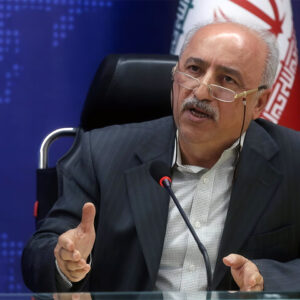
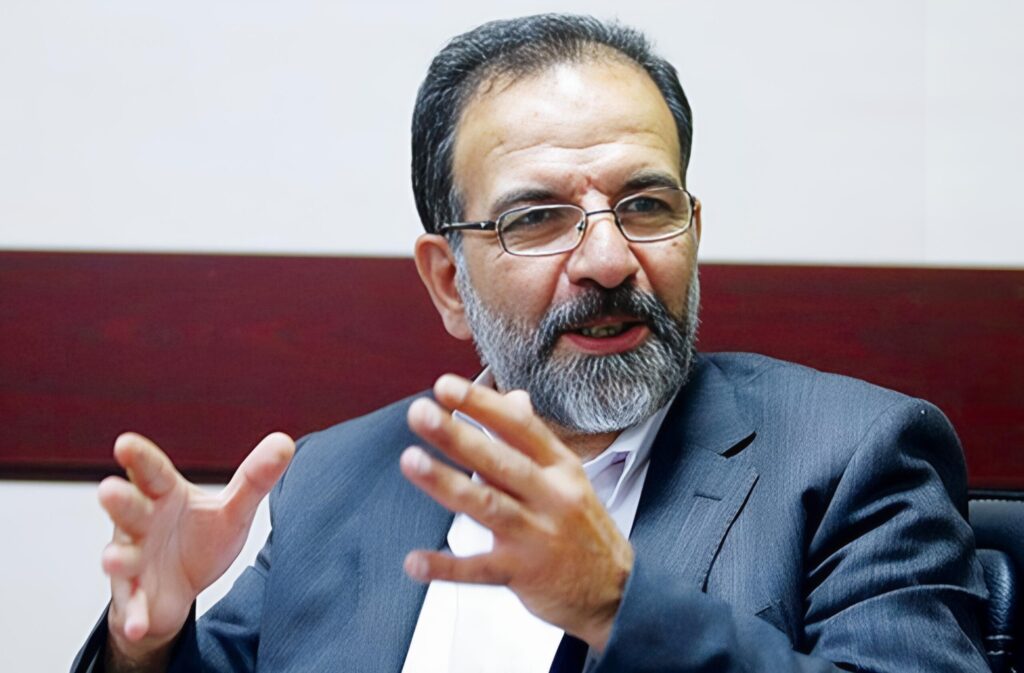
Dr. Jafar Qanadbash, a West Asia affairs expert, said Ansarullah’s actions should not be viewed solely through the lens of the Islamic Republic of Iran’s policies. He also discussed Saudi Arabia’s ability to confront Yemen, the role of the United States, Riyadh’s efforts to secure Turkish and Pakistani support, and what has been referred to as the “Mecca Pact.”
In an interview with IRAF, Qanadbash stressed that Yemen is not part of the Islamic Republic of Iran’s capabilities or a proxy force of Tehran, saying: “No, neither now, nor in the past, nor in the future, Yemen is not a part of Iran’s capabilities.”
He said Ansarullah makes decisions independently based on its own interests and motivations, while Iran and Yemen are part of a broader common resistance front. He added that simultaneous pressure on the Strait of Hormuz and Bab al-Mandab could increase the costs of confronting Iran and pursuing US policies in the region.
Yemen Is Not an Iranian Proxy; Ansarullah Acts Based on Its Own Interests
At the beginning of the interview, Qanadbash rejected the notion that Yemen can be regarded as part of Iran’s capabilities.
“No, neither now, nor in the past, nor in the future, Yemen is not a part of Iran’s capabilities,” he said.
He emphasized Ansarullah’s independent decision-making, saying Yemen’s actions are shaped by its own interests, motivations and circumstances and that Yemeni actions should not automatically be attributed to decisions or instructions from Iran.
Qanadbash explained that Iran and Yemen belong to a common front and broader movement known as the Axis or Front of Resistance. However, he said that being part of the same front does not mean that all its members receive orders from a single command center or constitute part of one another’s military capabilities.
According to Qanadbash, members of the resistance front make decisions based on their respective interests and circumstances, while cooperation between them can expand in different areas when necessary. He compared this to countries and forces in other parts of the world that cooperate through alliances, agreements or undeclared forms of coordination without becoming part of one another’s capabilities.
Yemen’s Confrontation with the US Began with the Gaza War
Turning to developments around the Bab al-Mandab Strait, Qanadbash said the issue of closing or threatening to close the waterway is not new and dates back roughly two and a half to three years, when the Gaza war began and Yemen entered a new phase of confrontation with Israel and its supporters in response to developments in Palestine.
He said Yemen initially sought to put pressure on the movement of goods and vessels linked to Israel and countries supporting it, using its geographical position around Bab al-Mandab to raise the cost of supporting Israel.
The confrontation subsequently expanded following US military intervention in Yemen, Qanadbash said. Washington carried out attacks on critical Yemeni infrastructure in support of Israel and in response to Yemeni actions, while Ansarullah, in turn, pursued measures targeting US vessels and seeking to put pressure on the American presence in the region.
The developments around Bab al-Mandab, he argued, therefore cannot be viewed as a temporary episode or as a decision solely connected to Iran. Rather, they have emerged within the broader context of the Gaza war, US attacks on Yemen and Ansarullah’s response to Washington’s policies.
Bab al-Mandab Has Become a Deterrent Lever for Yemen
Qanadbash described Bab al-Mandab as one of Yemen’s most important sources of leverage against the United States and Western countries.
Yemen’s geographical position gives it the ability to influence one of the world’s key maritime routes, he said, allowing the country to use this strategic position to exert pressure on its opponents.
According to Qanadbash, Yemen’s objective in using this leverage is to pressure the United States and Western countries to halt their support for Saudi Arabia and Israel and to prevent the continuation of policies that, in his view, are being pursued against the people of Yemen and Palestine.
He said Yemen has been successful in using this leverage in recent years and has imposed significant costs on the United States and Western countries.
Qanadbash also referred to the ceasefire reached between the United States and Yemen last year, describing it as an indication of Ansarullah’s capabilities and influence. In his assessment, despite its extensive military power, the United States was unable to achieve its objectives in Yemen solely through military pressure.
Simultaneous Pressure on Hormuz and Bab al-Mandab Could Raise US Costs
Qanadbash said the relationship between developments around Bab al-Mandab and the confrontation between Iran and the United States should be understood by distinguishing between the independent decisions of Iran and Yemen and their combined impact on US policy.
He said Iran would act in the Strait of Hormuz based on its own interests and circumstances in the event of a confrontation, while Yemen would make its own decisions in Bab al-Mandab according to its interests and capabilities. However, the simultaneous impact of the two developments could place significantly greater pressure on the United States.
Hormuz and Bab al-Mandab are both critical routes for the movement of energy and goods, Qanadbash said, meaning that any serious disruption could have broad economic and political consequences.
He added that higher fuel and energy prices in the United States, increased pressure on European economies and difficulties for Washington’s Western allies could ultimately raise the costs of US foreign policy and put pressure on the US administration, particularly the president, to reconsider its calculations.
The Objective Is to Change Washington’s Calculations
Qanadbash said regional resistance forces seek to increase the costs of US policies.
If Washington continues what he described as adventurous policies in West Asia, he said, it will have to bear their economic, military and political costs as well.
The issue, he argued, is not simply the closure of a maritime route. Rather, its significance lies in forcing the United States to devote a considerable share of its capabilities and resources to the region in order to secure trade and energy routes.
Under such circumstances, Qanadbash said, the United States would face a multilayered challenge: on one hand, it would have to deal with Iran and potential developments in the Persian Gulf, while on the other, it would have to manage developments in the Red Sea and Bab al-Mandab.
Such a situation could reduce Washington’s ability to manage multiple crises simultaneously and push it toward reconsidering its regional policies, he said.
Saudi Arabia Faces Weakness Against Yemen Despite Extensive Arms Purchases
Qanadbash also addressed Saudi Arabia’s position, saying the kingdom has spent very large sums on purchasing US-made weapons over the years and has relied on American military advisers to train its forces.
However, he said the sheer volume of weapons purchased has failed to transform the Saudi military into a force capable of independently confronting Yemen.
Saudi Arabia has sought to strengthen its military capabilities through advanced equipment, training and reliance on US support, Qanadbash said, but the experience of the Yemen war has demonstrated that possessing modern weapons alone is not enough to win a war.
In his view, Riyadh now faces a serious contradiction. On one hand, it expects Washington to provide strong support because of the scale of its arms purchases and military investments; on the other, the United States faces limitations in providing direct support to Saudi Arabia.
US Is Pushing Saudi Arabia Toward Turkey and Pakistan
Qanadbash said Saudi Arabia has sought support from other countries rather than relying solely on the United States to confront Yemen, particularly looking to countries with large militaries, including Turkey and Pakistan.
He explained that the United States currently mainly provides Saudi Arabia with military advisers and training capabilities, but appears neither willing nor able to enter directly and extensively into another war against Yemen.
According to Qanadbash, the United States has even moved some of its capabilities farther away from the region because of existing threats, suggesting that Washington itself has serious concerns about the consequences of a direct and extensive military presence in the region.
Under these circumstances, he said, the United States is pushing Saudi Arabia toward Turkey and Pakistan, two countries that are significant in the region in terms of troop numbers and military capacity.
However, Qanadbash stressed that neither Turkey nor Pakistan has shown much willingness to directly enter the war in Yemen, as such involvement could expose them to costs and consequences that even the United States has struggled to manage.
“Mecca Pact” Has Yet to Become Practical Military Cooperation
Qanadbash also addressed what has been referred to as the “Mecca Pact,” saying Saudi Arabia has sought to draw on the capabilities of other countries’ armed forces because of its inability to confront Yemen, with Turkey and Pakistan receiving particular attention.
He said cooperation among these countries cannot currently be described as broad and operational military cooperation, with a significant part of it still limited to understandings, consultations and limited forms of cooperation.
Qanadbash emphasized that there is a significant gap between signing an agreement or establishing a framework for cooperation and actually deploying military forces into a war, adding that implementing such an agreement in practice is not easily achievable.
Turkey and Pakistan, he said, understand that entering the Yemen war could draw them into a security and military quagmire, particularly given that the United States, despite its extensive military power and technology, has been unable to achieve a decisive outcome against the Yemeni resistance.
Therefore, he argued, the mere formation of an agreement or consultations among Saudi Arabia, Turkey and Pakistan should not be interpreted as the creation of an active military alliance against Yemen.
Regional Equations Are Changing as Resistance Emerges as a Center of Power
In his assessment of recent developments in Yemen, Qanadbash said events over the past two to three weeks, particularly those of recent days, represent more than a limited series of military developments and point to changes in regional equations.
He said powers that previously believed they could impose their preferred order in West Asia without taking regional actors’ capabilities into account are now facing a new reality.
Referring to Ansarullah’s performance, Qanadbash said every major Yemeni victory, in his view, represents a sign of declining power, retreat and weakness on the part of the United States and its allies in the region. It also demonstrates that West Asian equations can no longer be defined solely on the basis of the will of the United States and Western countries.
Qanadbash concluded by stressing that the resistance front is becoming a center of power and a force shaping developments on the international stage. Developments in Yemen, he said, could offer a different picture of the region’s future—one in which regional actors will be increasingly capable of influencing security and political developments across West Asia.
Bab al-Mandab’s Strategic Importance
The Bab al-Mandab Strait, located in the southern Red Sea near Yemen, is a key maritime link between the Red Sea and the Gulf of Aden and an important corridor for global trade and energy flows.
Yemen’s geographical proximity to the strait has become one of Ansarullah’s most significant sources of leverage in recent years. Following the outbreak of the Gaza war, Ansarullah announced its support for Palestine and launched actions targeting vessels linked to Israel and subsequently the United States and some Western countries. The developments contributed to more direct US involvement in the confrontation with Yemen.
At the same time, the Strait of Hormuz in southern Iran is one of the world’s most important energy corridors. Consequently, simultaneous developments around these two strategic waterways, particularly amid heightened tensions between Iran and the United States, could have far-reaching geopolitical and economic consequences for the region and Western countries.