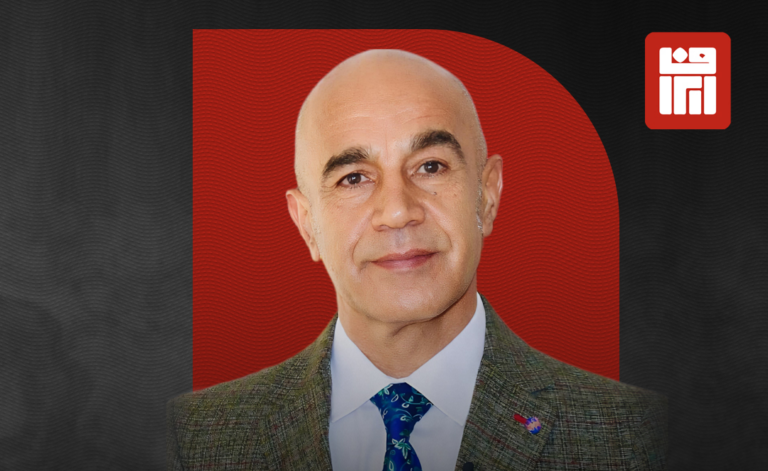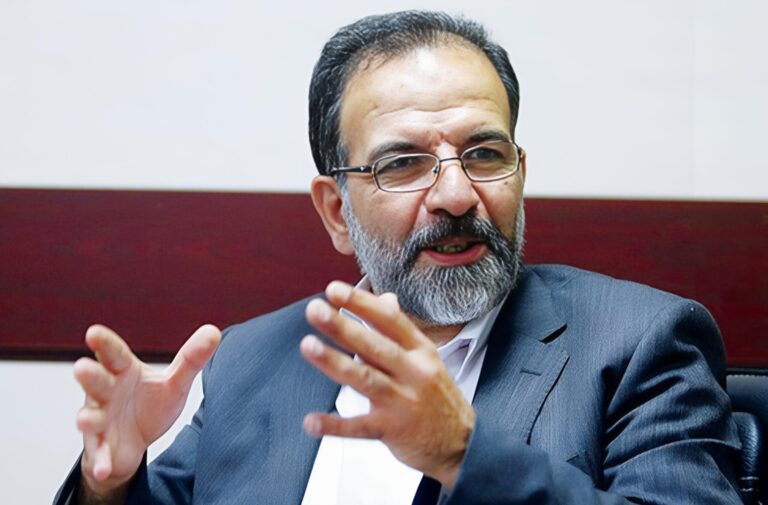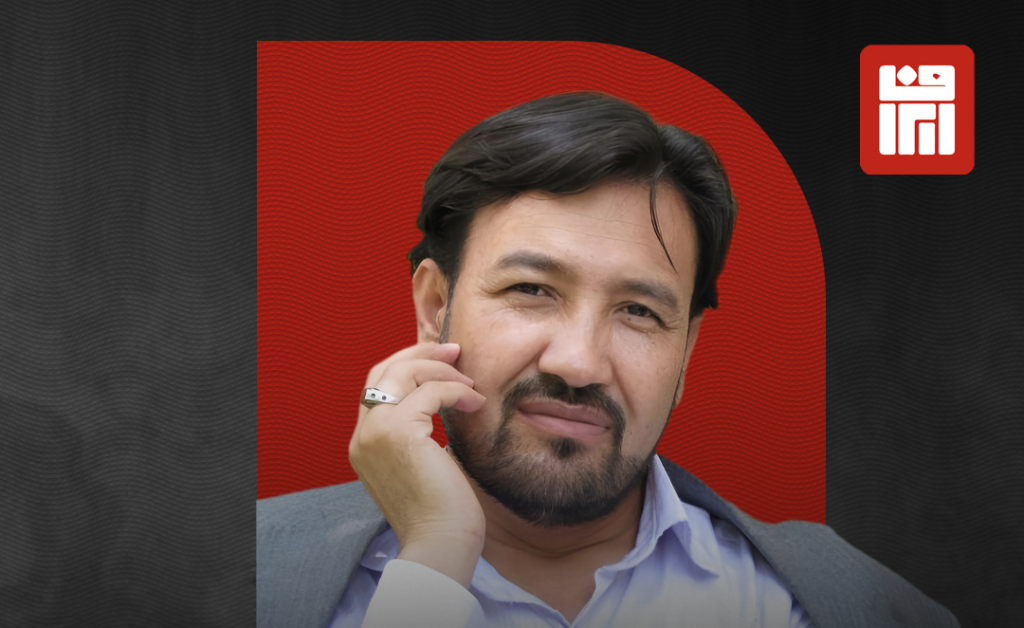
On the occasion of World Cinema Day, prominent Afghan poet, writer and researcher Seyyed Abutaleb Mozafari, in an exclusive article for IRAF, looks back at the history of cinema in Afghanistan, tracing its development from the first film projectors brought to Kabul to the emergence of Afghan Film and the country’s presence at major international film festivals.
Afghanistan is a buffer land situated between three distinct civilizational spheres: the Indian subcontinent, Iran and Central Asia, although culturally, the latter should still be regarded as part of the legacy of the former Soviet Union. Therefore, naturally, this buffer country has never been indifferent to the culture, traditions and arts of its powerful cultural neighbors.
In contemporary Afghanistan, literature has naturally looked toward its western neighbor, Iran. Developments in Iranian literature, directly or indirectly, have influenced Afghan literature, including both poetry and fiction. It should also be noted that, in terms of themes and content, Afghanistan was for a period influenced by its northern neighbor and the ideology that prevailed there.
In official music, Afghanistan has historically been closely connected to the Indian subcontinent, while its cinema has also shown a strong inclination toward Bollywood. This dependence in both music and cinema has been so significant that Afghan youth, from the past to the present, have learned Urdu through these two artistic fields.
In recent years, however, the return of migrants from Iran and the growth of Iran’s film industry have to some extent changed the tastes of young Afghan filmmakers. The preferences of the general public, nevertheless, have remained largely unchanged. Long-running Indian television series continue to enjoy considerable popularity among Afghan families.
The Arrival of Cinema in Afghanistan
Cinema entered Afghanistan in the early 20th century. According to some accounts, during the reign of Amir Habibullah, Indian officials based in British India presented the technology to the Afghan king. More reliable accounts, however, attribute its introduction to King Amanullah Khan, who brought the first cinema projector to Kabul from his travels in Europe in 1928.
It was during this period that venues such as Cinema Behzad and Paghman Cinema Theater were established for film screenings. They are regarded as among Afghanistan’s first cinemas.
The fate of Paghman Cinema Theater was particularly tragic. Following the fall of the Amanullah government, the venue was burned down as a symbol of secularism, reflecting the broader turmoil that engulfed the country.
What is clear, however, is that cinema at this stage remained largely a form of entertainment for the royal court. Neither the social environment nor the security and economic conditions were suitable for the development and expansion of the industry.
Cinema During the Reign of Zahir Shah
With the beginning of Mohammad Zahir Shah’s reign, Afghanistan’s cultural life generally followed a more natural course. Zahir Shah himself is said to have been interested in cinema and occasionally visited Afghan Film’s theater to watch movies.
During this period, cinemas were constructed, Indian silent films were screened, and films documenting government activities and official events became increasingly common. According to accounts, the first Afghan film, titled Love and Friendship, was made in Lahore in 1946 with the cooperation of Indian filmmakers.
The film’s reception, along with the success of The Eagle, directed by Faiz Mohammad Khairzada, drew the king’s attention to the importance and necessity of developing the industry.
The screenplay for Love and Friendship was written by Abdul Rashid Latifi, regarded as the father of modern Afghan theater. A production contract was signed with the Lahore-based Shor Film Company. The Afghan side included Abdul Rahman Bina, Neshat Malekkhail, Ahmad Zia and others, who took on various roles in the production.
Regarding The Eagle, it is also worth noting that Zahir Howaida and Zarghona, two well-known Afghan singers, appeared in short roles in the film.
The Rise of Afghan Film
From the 1960s onward, the gradual reduction of dynastic authoritarianism and the adoption of a new constitution, which introduced greater freedoms in various fields, including political parties and the press, also helped cinema flourish.
In 1965, Zahir Shah asked the U.S. ambassador in Kabul to establish a film-processing laboratory in Afghanistan. The request was approved, construction began, and the project was completed in 1968.
Sultan Hamid Hashim, who had served as the king’s court photographer, became the first head of Afghan Film.
Under Zahir Shah, Afghan Film operated as an independent organization. During the rule of Mohammad Davoud Khan, however, it was merged with the Ministry of Information and Culture. Its final director following the fall of the republic was Sahra Karimi.
It was during this period that the names of numerous Afghan films began to emerge, allowing the audience to see, on domestic cinema screens, a portrayal—albeit an imperfect one—of their own lives.
Films such as Village Voices and Difficult Days, which were still being produced in black and white, were among these works.
Cinema Under the Leftist Government
Following the Saur Revolution and the rise of a leftist government in Afghanistan, the film industry experienced another period of growth. By the late 1960s, the country’s first color films were being produced.
These films reflected the experiences of Afghan students educated in the Soviet Union, as well as the influence of the Soviet government’s cultural policies. They introduced a different atmosphere to Afghan cinema and may be regarded as marking the first signs of a departure from the traditional influence of Indian cinema.
Among these films were The Patient Soldier, Ashes, Epic of Love, Escape, The Last Wish and The Migratory Bird.
War, the Taliban and the Destruction of Cinema
The victory of the Mujahideen and the subsequent rise of the Taliban dealt a severe blow to Afghanistan’s film industry and its infrastructure.
Many cinemas were destroyed during the war, while large numbers of films were burned. The story of the Taliban entering the Afghan Film archive and setting it ablaze—and how the center’s guards managed to save part of the collection from destruction—remains one of the most remarkable and instructive episodes in Afghanistan’s cinematic history.
The Revival of Afghan Cinema After 2001
Following the September 11 attacks and the establishment of the government of Hamid Karzai, Afghan cinema gradually began to recover.
The film Kandahar is widely described as the first film in the history of cinema about Afghanistan to reach the Cannes Film Festival.
It was also during this period that renowned Afghan filmmaker Siddiq Barmak, with his 2003 film Osama, brought Afghan cinema to major international film festivals, including Cannes and London, and received several awards.
Several years later, Afghanistan joined the Union of Film Festivals of Central Asia and the South Caucasus.
During these years, the return of a number of young Afghan writers and filmmakers gave the country’s film industry a new character. Afghan cinema gradually began to move beyond the dominance of Indian films and audiences’ long-standing preference for Bollywood-style productions.
Among the well-known Afghan directors are Jalal Pirouz, Wahid Nazari, Siddiq Barmak, Wahid Orakzai, Ahad Zhwand, Sonia Nassery and Musa Radmanesh.
Among the actors are Salam Sangi, Saboor Tofan, Nemat Ars, Wali Talash and Akram Khorami.