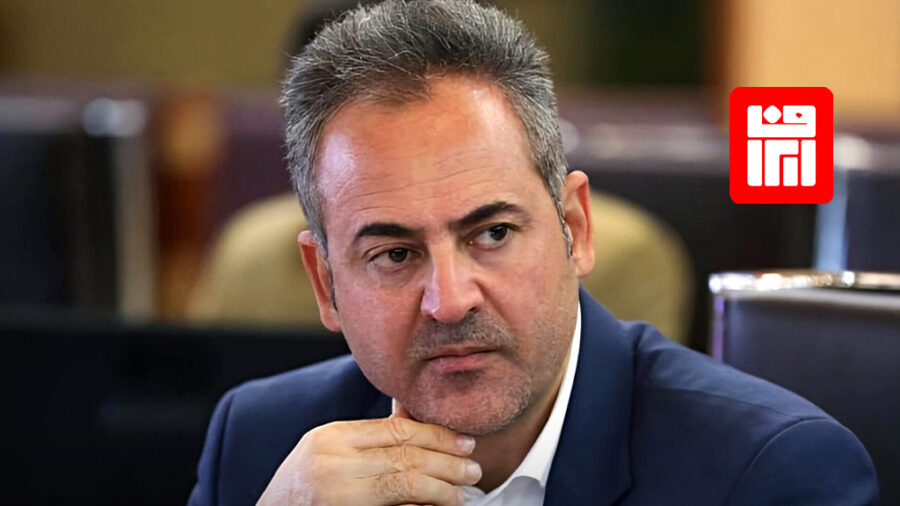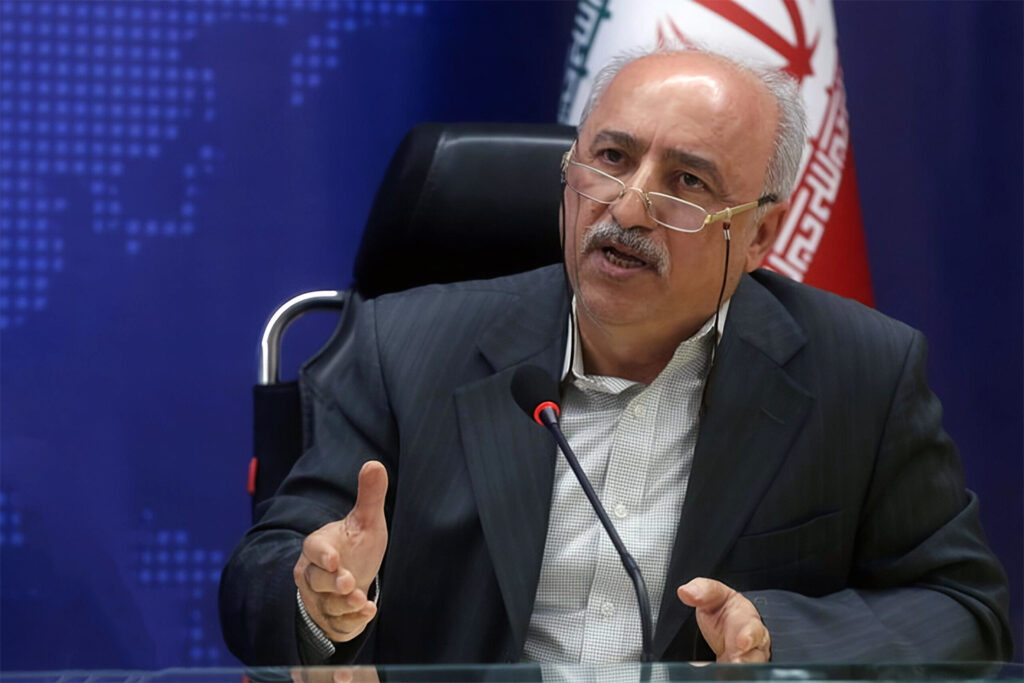
As the United States seeks to expand economic pressure on Iran beyond direct sanctions and discourage other countries from maintaining trade relations with Tehran, alternative trade routes and the economic potential of neighboring countries are gaining greater importance. Afghanistan could serve not only as an export market for Iran but also as part of a land corridor linking Iran with Central Asia, China and India. In an interview with IRAF, economist and university professor Seyed Morteza Afghah examined the potential of trade and rail transportation between Iran and Afghanistan.
Secondary Sanctions and Ways to Mitigate Their Impact
Seyed Morteza Afghah, an economist and university professor, said the extent of any new US sanctions against Iran remains unclear. However, he noted that statements by US officials, particularly Treasury officials, indicate that Washington is seeking to discourage other countries from engaging in trade with Iran.
Afghah said Iran has previously used third countries to circumvent some sanction-related restrictions, conducting financial and commercial transactions indirectly. If other countries align themselves with US policy in the next phase, he warned, economic pressure on Iran could intensify.
He added that if existing restrictions are accompanied by obstacles to Iran’s land-based export and import routes, the pressure resulting from economic isolation and sanctions would become significantly greater. At present, however, countries such as Russia and China have not fully aligned themselves with Washington’s policy.
Iran’s Economy and Its Dependence on External Relations
Referring to the experience of intensified sanctions since 2018, Afghah said Iran’s economy remains vulnerable to developments in foreign policy and trade relations because of its significant dependence on oil revenues and foreign currency earnings from oil exports.
He said he had previously argued that an economy in which a substantial share of key economic variables and people’s livelihoods depends on foreign relations and oil revenues cannot withstand sanctions pressure for an extended period without serious consequences.
The university professor also pointed to worsening economic conditions and pressure on people’s livelihoods, stressing: “The economy cannot be put on hold any longer.” He said policymaking should move toward reducing the economy’s vulnerability to external pressure.
Afghanistan: A Limited Market but a Strategic Link to the East
Addressing the impact of economic pressure on Iran’s trade with eastern countries, particularly Afghanistan, Afghah said Iran’s vast territory and geographical position provide it with multiple opportunities to develop trade routes. However, he noted that countries in the region also pursue their own interests within the international system, and their level of cooperation with Iran depends on various factors.
Regarding Afghanistan, Afghah said the country’s circumstances and relationship with the United States could create opportunities for cooperation with Iran. However, given the size of Afghanistan’s economy and its production capacity, he said the country alone cannot compensate for a significant share of Iran’s economic needs.
According to Afghah, Afghanistan’s primary importance to Iran may lie less in the volume of direct trade and more in its potential role as a transit route connecting Iran with the East, including China, India and Central Asia.
Railways as a Link Between Iran, Afghanistan and Eastern Markets
Afghah also highlighted the importance of expanding rail transportation between Iran and Afghanistan, saying railways are an important means of reducing transportation costs and can make the movement of goods cheaper compared with road and air transport.
He said that if the necessary investment is made in Afghanistan’s railway infrastructure and Iran is connected through Afghanistan to markets such as China, India and Central Asia, the resulting network could provide significant support for the expansion of Iran’s trade under current conditions.
Afghah stressed that realizing this potential would require investment, road and railway development, and the establishment of appropriate infrastructure. However, he noted that many such projects cannot be completed in the short term and require long-term planning.
Afghanistan: From Export Market to Regional Corridor
Referring to Afghanistan’s potential role as a bridge between Iran and the East, the university professor said Iran should seek to expand trade with Afghanistan as much as possible in the short term. In the next stage, he said, Tehran should consider Afghanistan as part of a broader route connecting Iran with the wider eastern region.
He added that amid Iran’s current economic and trade restrictions, the country needs to establish new routes and avoid becoming dependent on a single corridor or method of economic connectivity.
Turning Economic Pressure into an Opportunity for New Trade Routes
In his concluding remarks, Afghah said that despite the pressure currently being placed on Iran’s economy, the situation could provide an opportunity to reassess the country’s trade and transportation routes.
He stressed that alongside diplomatic efforts, Iran should invest in creating and developing new routes so that similar crises in the future would impose less pressure on the Iranian people.
Afghah also noted that using Afghanistan as a regional corridor would not benefit Iran alone. It could also contribute to Afghanistan’s economy, as the movement of goods and the activation of transit routes would generate transit revenues for Afghanistan and could help reduce some of the country’s economic difficulties.
Conclusion
The intensification of economic and sanctions pressure on Iran has increased the importance of alternative trade and transit routes. Afghanistan’s geographical position could make it an important link between Iran and Central Asia, China and India. The development of road and rail corridors, particularly along routes connecting Iran and Afghanistan, could reduce transportation costs, expand bilateral trade and provide Afghanistan with a greater role in regional transit.