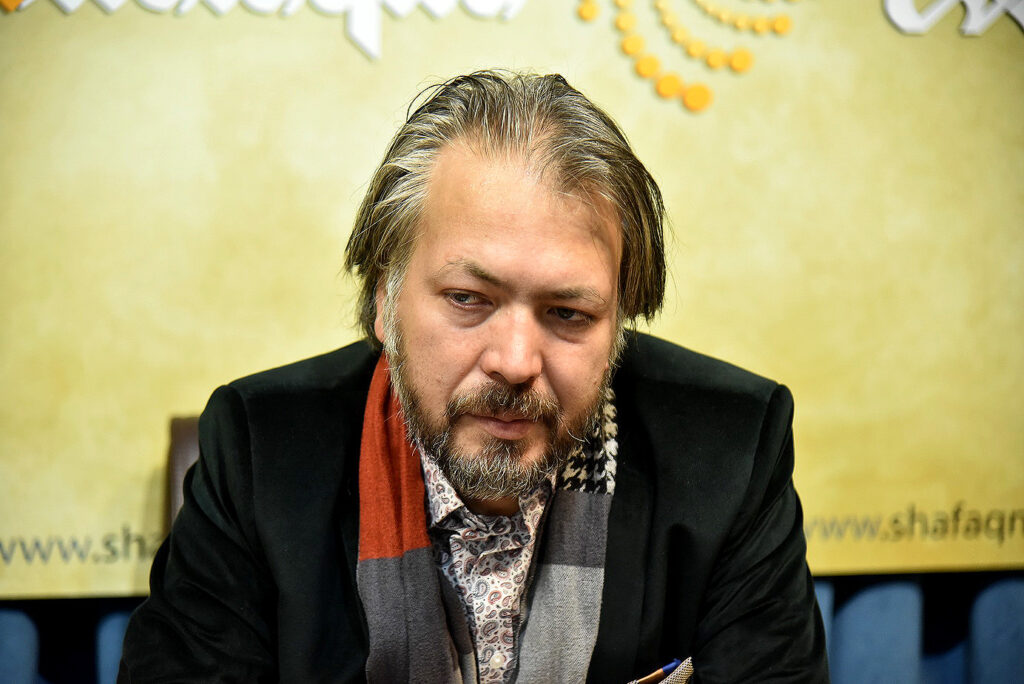
According to Iraf, Seyyed Reza Mohammadi, Afghan poet and researcher, in a commentary referring to the historical background of the name Iran, said: in ancient sources — including the Avesta, the Rigveda, the Karnamag i Ardeshir i Papakan, the Ayadgar i Zariran, and documents from the Kushan period, as well as in post-Islamic texts — this land has been referred to by the name Iran.
He added: across various historical periods — from the Saffarids of Nimruz, the Samanids, the Ghaznavids, and the Seljuks, to Persian prose and poetry and the works of poets such as Ferdowsi, Rudaki, Sanai, Mir Ali-Shir Nava’i, and Abdurrahman Jami — this name has maintained continuity.
He also, referring to the geographical names of the region, said: Khorasan, Turkestan, and Sistan have historically been the names of regions and provinces within the expanse of Iran, and some of today’s names have taken shape in the wake of historical and political transformations.
Mohammadi, in another section of his commentary referring to the past political structure of the region, added: in certain periods of history, local rulers and various dynasties were known alongside the concept of the “Protected Domains of Iran,” and the system of power was defined within various local and regional frameworks.
He said: in different periods, some rulers used the title of Shah or Khan, and the political structures of the region were diverse and multi-layered.
The poet and researcher further emphasized: today’s Iran does not encompass the entire historical expanse of that land, but it constitutes a part of its civilizational and cultural heritage — one that throughout history extended across vast territories to the west and east.
Mohammadi, in the concluding section of his commentary, added: more important than historical debates is the necessity of paying attention to mutual respect in language and social discourse, and one must attend to the linguistic and cultural sensitivities of different groups.
He said: if segments of society feel discomfort toward certain words or expressions, it is necessary for these sensitivities to be taken into consideration, and instead of justification or comparable comparisons, the principle of respect in discourse must be observed.