As reported by IRAF, Iran said on Tuesday that Pakistan and several other countries were working to help reduce tensions, as Tehran maintained that the United States had already received a response to its “aggressive” actions and that Iran would base its decisions on national interests.
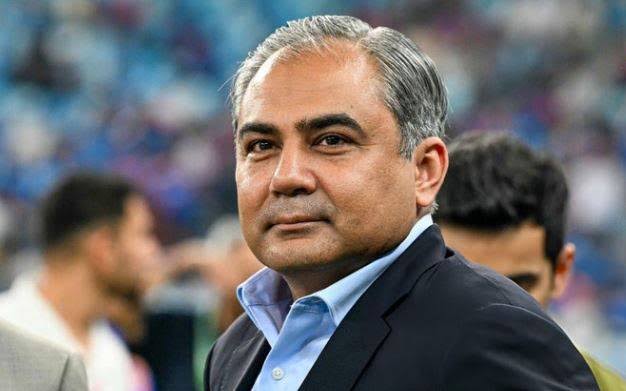
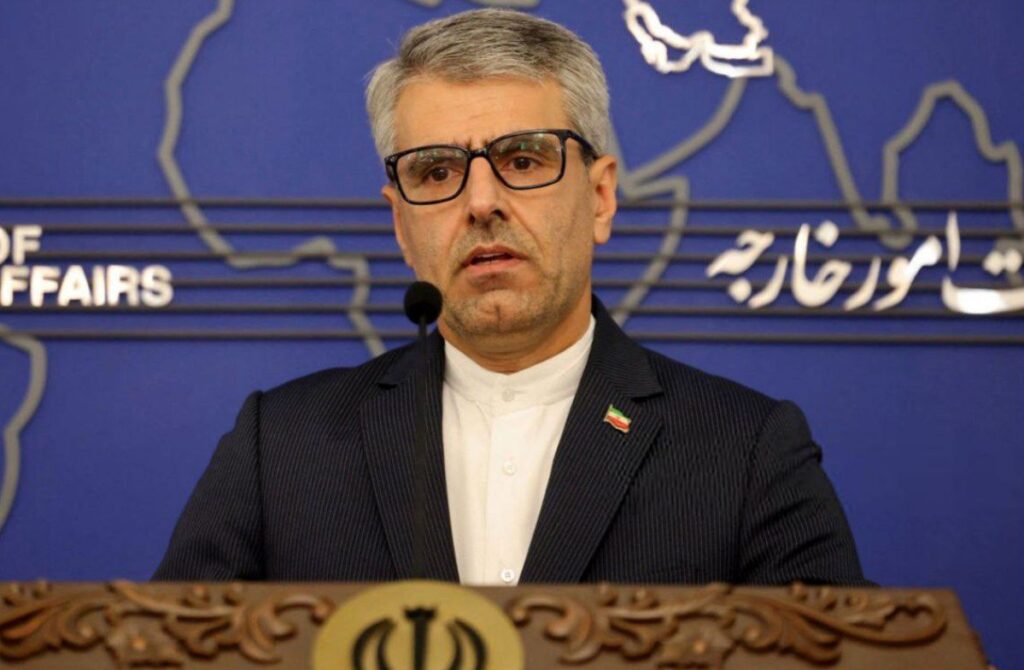
Speaking at a news conference on Sept. 1, Iranian Foreign Ministry spokesman Esmaeil Baghaei said Pakistan’s army chief, Field Marshal Asim Munir, had travelled to Tehran as part of Islamabad’s efforts to help de-escalate tensions.
Pakistan, others seek to reduce tensions
Baghaei said Munir had brought “neither a positive nor a negative message” during his visit, describing the trip as part of Pakistan’s role as a friendly neighbouring country seeking to help reduce tensions.
“Pakistan has made efforts over the past five or six months to help reduce tensions, and these efforts are continuing,” Baghaei said.
He added that diplomatic efforts were not limited to Pakistan, saying several other countries were also working to ease tensions and help find a way to end the conflict.
U.S. has received a response to its actions
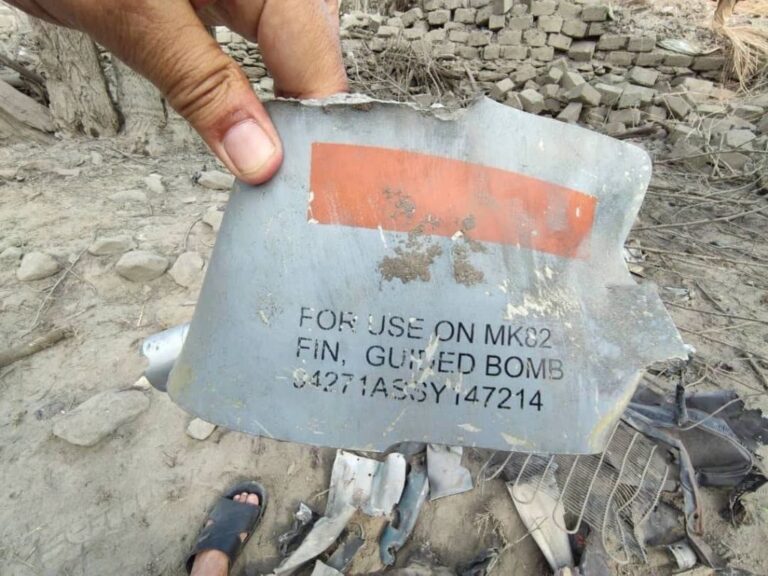
Addressing U.S. military action against Iran, Baghaei said such moves by Washington were not new to Tehran.
He said the United States had repeatedly taken what he described as aggressive actions under various pretexts and had “certainly received the necessary response.”
Baghaei said the actions reflected what he called U.S. ill intent, arguing that Washington had become confused after falling into a strategic mistake and was also confusing negotiations with issuing demands and seeking excessive concessions.
“This approach will not work with Iran,” he said, adding that as long as Washington continued to act in this manner, it should not expect an outcome different from what it had achieved so far.
Iran says national interests will guide decisions
Asked about Tehran’s approach to negotiations with Washington, Baghaei said the Foreign Ministry assessed developments based on the country’s interests and national considerations before presenting its views.
He said that ultimately the ministry would act in accordance with any decision taken by the competent authorities.
Baghaei also pointed to what he described as fluctuations and instability in the U.S. government’s positions, saying this would not prevent Iran from using its available diplomatic and other capabilities.
“Iran will consider all aspects and, wherever necessary, use diplomatic channels to explain its positions and secure and uphold the rights of the Iranian people,” he said.
Islamabad memorandum remains under review
Baghaei was also asked whether the memorandum reached in Islamabad and signed by U.S. President Donald Trump remained valid and capable of implementation.
He said any assessment of the agreement had to take into account what he described as a U.S. breach of a commitment accepted at the highest level of the country’s governing structure.
According to Baghaei, the U.S. president had signed the memorandum and Washington had committed to implementing it, but decided to violate its commitments only about 21 or 22 days after the document was signed.
He said the United States should be held accountable for what he described as a “blatant and extensive” violation of the Islamabad memorandum.
Tehran to decide on memorandum based on circumstances
Baghaei said Iran would decide how to proceed with the memorandum based on prevailing circumstances and the requirements of the time.
For now, he said, the country’s priority was defence and resistance against what he called U.S. excessive demands, citing the continuation of sanctions and a U.S. naval blockade as well as an intensification of economic pressure on Iran.
Baghaei concluded by saying Tehran was closely monitoring U.S. moves and that Iran’s armed forces would not allow any act of aggression to go unanswered.