Iran is preparing a new system to register, identify and regulate foreign nationals under the proposed National Migration Organization Law, according to the spokesperson of the Iranian parliament’s Committee on Internal Affairs and Councils. Under the proposed mechanism, foreign nationals would be assigned a specific identification number from the time they enter the country until their departure, while their identity, employment and residency information would be recorded in a centralized database.
The proposed system is intended to provide Iranian authorities with a unified mechanism for monitoring the status of foreign nationals and could also strengthen efforts to identify people who enter or remain in the country without legal authorization.
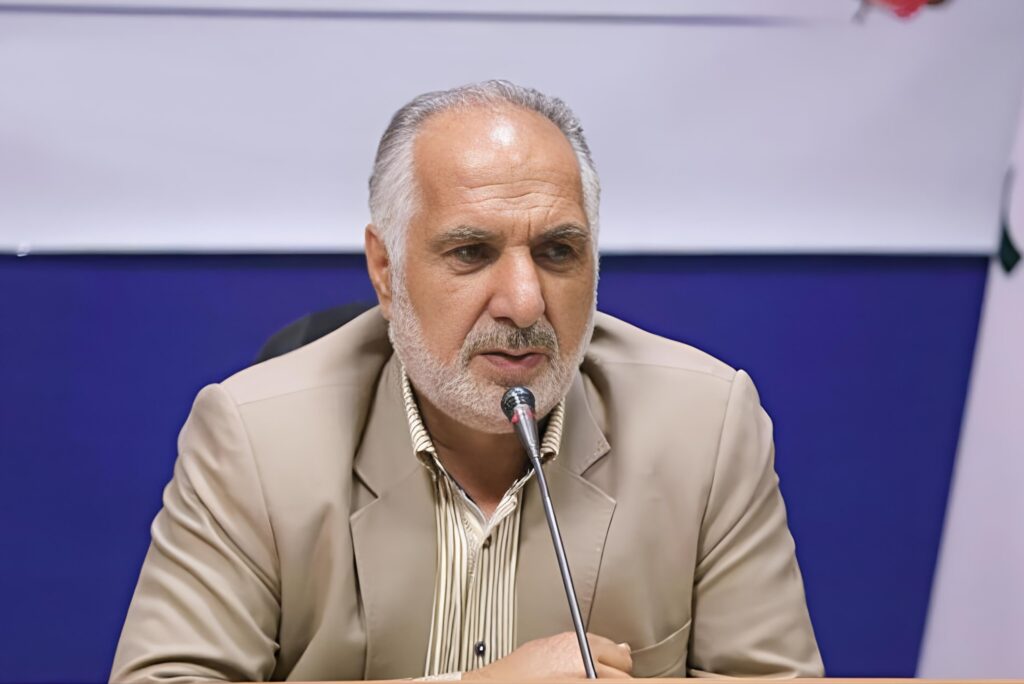
Valiollah Bayati, spokesperson for the Committee on Internal Affairs and Councils and a member of parliament representing Tafresh, Ashtian and Farahan, told IRAF that the National Migration Organization Law has been approved by the joint committee and that lawmakers are now considering the duration of its trial implementation.
According to Bayati, once this stage is finalized and the necessary legal procedures are completed, the legislation will be sent to the Guardian Council for review and, if approved, will be forwarded to the government for implementation.
Registration and Identification From the Moment of Entry
Bayati said one of the central elements of the proposed law is the creation of an integrated system for registering information on foreign nationals. Under the system, every foreign national who legally enters Iran would receive a specific identification number, while their information would be recorded in a comprehensive database.
The process would go beyond registering basic identity information and would also include identity verification and facial recognition. This would allow an individual’s information to be recorded from the moment of entry and their status to be monitored throughout their stay in Iran.
Bayati said the aim is to move information on foreign nationals away from fragmented systems and consolidate it within a single framework. He stressed that every foreign national would have to maintain a clearly defined and traceable status until leaving the country, while access to services inside Iran would also be based on the information recorded in the system.
The parliamentary committee spokesperson also said the law categorizes foreign nationals according to the purpose of their presence in Iran. Those entering the country for employment, education, investment, tourism or other purposes would therefore be placed within defined categories, with the conditions of their stay determined according to the purpose of their entry.
What Stage Is the National Migration Organization Law At?
Bayati said the legislation has been reviewed and approved by a joint parliamentary committee, but the duration of its trial implementation has yet to be determined. He said the trial period could be three, five or seven years, after which the legislation would proceed through the remaining legal stages.
Once the duration is determined, the legislation will be sent to the Guardian Council for review and, if approved, will be eligible for promulgation and implementation.
Bayati expressed hope that the National Migration Organization would enter its implementation phase in the near future. He said the purpose of establishing the organization is to create a coherent structure for managing migration and prevent responsibilities from being scattered among different government agencies.
Under the proposed framework, foreign nationals entering Iran would come under the supervision of the National Migration Organization, whether they were entering for temporary residence, education, employment, investment or other activities.
Could the System Reduce Irregular Migration?
One of the main objectives of the proposed law is to regulate irregular migrants and strengthen the authorities’ ability to identify people who enter Iran without completing legal procedures or remain in the country after their residency permits expire.
Bayati believes that a comprehensive database, a unified identification system and identity-verification procedures could give authorities a more accurate picture of the status of foreign nationals. He said the legislation had been reviewed with the participation of experts from various government agencies and the parliament’s Research Center, while the views of relevant institutions had also been taken into account during its drafting.
According to Bayati, if enacted and implemented, the National Migration Organization Law could address a significant portion of the problems associated with irregular migration. On one hand, information on people with legal status would be systematically registered; on the other, authorities would have greater capacity to identify and track those residing in Iran outside the legal framework.
Asked about the official number of foreign nationals currently in Iran, Bayati pointed to discrepancies among published figures. He did not provide a specific figure distinguishing between legal and irregular migrants, citing differing estimates of the total number of foreign nationals in the country.
Managing Migration for Employment, Education and Investment
Bayati stressed that migration policy should not focus solely on controlling and restricting the entry of foreign nationals. He said Iran should also be able to benefit from the economic and academic potential associated with the presence of foreign nationals while addressing irregular migration.
Bayati said that if Iran seeks to attract foreign investors, it must provide the necessary conditions for their entry and business activities. He also emphasized the need to facilitate the entry of foreign tourists, researchers, workers and students, arguing that legal entry and exit procedures should not become so complicated that they undermine the country’s economic potential.
He said tourism, investment and higher education are among the sectors that could benefit from effective migration management. Referring to Iran’s university capacity, Bayati said admitting foreign students could generate revenue for higher education institutions and the wider economy.
According to the lawmaker, the National Migration Organization should pursue two objectives simultaneously: controlling and regulating the illegal entry and presence of foreign nationals while facilitating legal entry for people who can contribute to Iran’s economy, education sector, tourism industry and investment environment.
Toward an Integrated System for Managing Foreign Nationals
Bayati’s remarks suggest that the approach envisioned by the National Migration Organization Law is aimed at replacing a fragmented system for managing foreign nationals with an integrated information and administrative framework. Under the proposed model, an individual’s information would be registered upon entry, the purpose of their stay would be identified, and access to services would be determined according to their legal status and type of residence.
If implemented, the system could give government agencies more accurate access to information on foreign nationals and reduce duplication among institutions. Its effectiveness, however, would largely depend on how the law is implemented, how effectively databases operated by different agencies are connected, and the government’s ability to accurately distinguish between and manage different categories of migrants.
The management of foreign nationals has become an increasingly important policy issue in Iran in recent years. The growing foreign-national population, irregular entry and residence, difficulties in determining the residency status of some individuals, and the involvement of multiple government agencies in migration affairs have all highlighted the need for a centralized system.
The proposed National Migration Organization Law is intended to address these challenges by creating a unified framework for entry and exit procedures, identity verification, information registration, residency status and the provision of services to foreign nationals.
Whether the system can actually reduce irregular migration will ultimately depend less on the creation of a centralized database itself than on its practical implementation and the level of coordination between the National Migration Organization and agencies such as the Interior Ministry, Ministry of Labor, Ministry of Science and other relevant institutions.