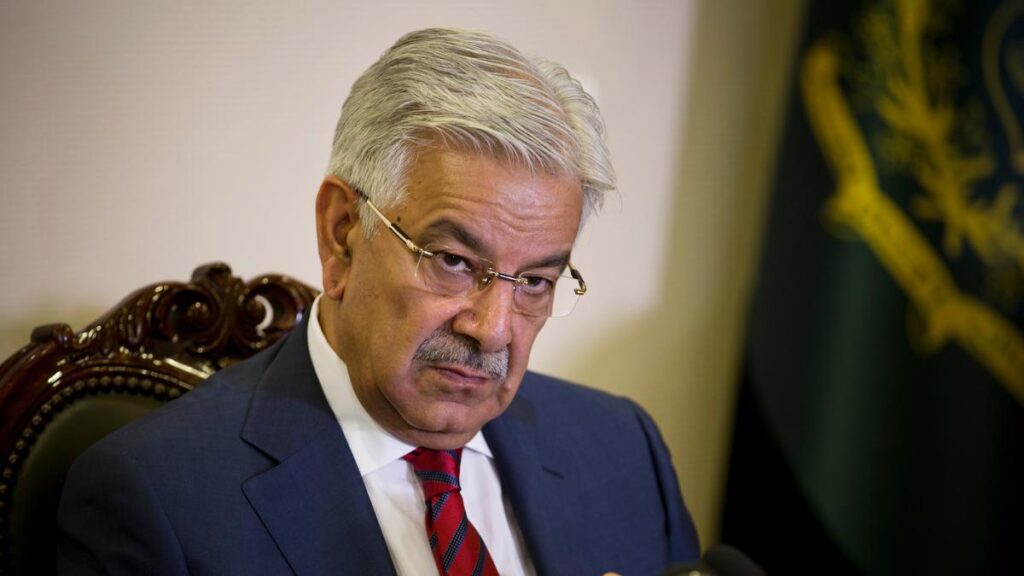
According to Iraf, Khawaja Asif, Pakistan’s Defense Minister, addressed the National Assembly on Wednesday, 23rd of Ordibehesht, in an unusually sharp tone against the Taliban, emphasizing that his country “is engaged in an open war” with the group.
He accused the Taliban of “continuing to harbor terrorists instead of cooperating on security” and warned: “If the Taliban are unwilling to cooperate, we will do to Kabul what we did to Delhi.”
Asif further described the Taliban as “India’s proxy group,” claiming that Delhi’s proxy war against Pakistan “continues under the Taliban’s umbrella.”
He added: “In human history, no one has been as ungrateful as the Taliban.”
“Decisive Operations” Remain on the Table
A few days ago, following the deadly May 9 attack on a police outpost in Bannu District, Pakistan’s Defense Minister mentioned the possibility of executing “decisive operations” inside Afghanistan.
Pakistan stated that the attack, which killed 15 security personnel, was carried out by militants “based in Afghanistan,” and the Taliban must take responsibility for this situation.
Taliban Chargé Summoned
In direct response to the Bannu attack, Pakistan’s Ministry of Foreign Affairs summoned the Taliban’s chargé d’affaires in Islamabad and delivered a formal protest note.
Islamabad emphasized that the attack was conducted by militants “based in Afghanistan,” and the Taliban must assume responsibility for preventing the activities of these groups.
Demand for “Written Guarantee” from Taliban
In his speech, Asif highlighted that recent negotiations mediated by Turkey, Saudi Arabia, and Qatar had been “fruitless.”
According to him, while the Taliban had agreed to many points during the Qatar talks, they ultimately refused to provide a written guarantee.
Islamabad now conditions the resumption of talks on receiving a “written commitment,” including preventing the use of Afghan soil to attack Pakistan and expelling armed groups such as Tehrik-i-Taliban Pakistan (TTP).
Border Attacks and Security Pressures
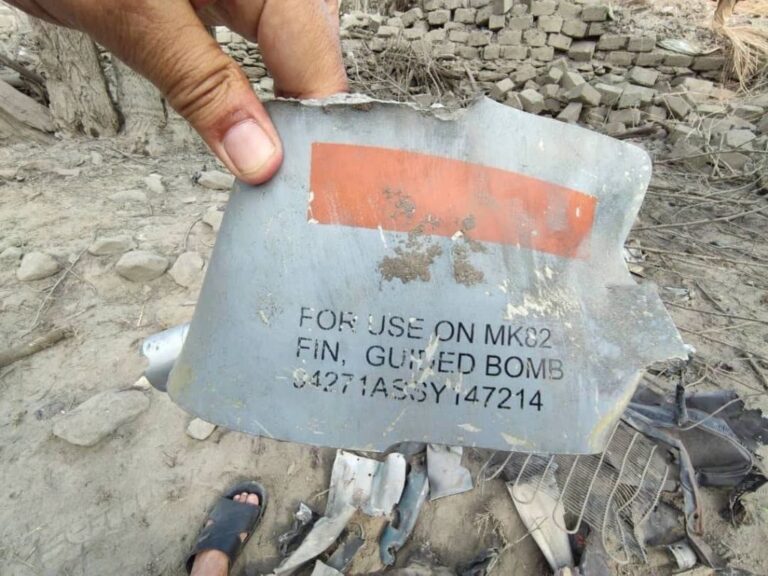
In recent weeks, the Pakistani military has repeatedly targeted sites in Afghanistan, actions that, according to Pakistani media, follow repeated warnings and threats from Islamabad.
Pakistan claims that the increase in explosive and suicide attacks on its territory indicates that the TTP has established bases and training camps in Afghanistan since the Taliban returned to power.
Taliban Response and China’s Mediation Role
The Taliban have rejected all of Islamabad’s accusations, asserting that they will not allow Afghan territory to be used against any country.
Meanwhile, Amir Khan Muttaqi, acting Taliban Foreign Minister, recently met with China’s Special Envoy, Yu Xiaoying, to discuss the continuation of the Urumqi talks and regional security.
The Chinese representative stressed that the next stage of negotiations must lead to “practical results.”