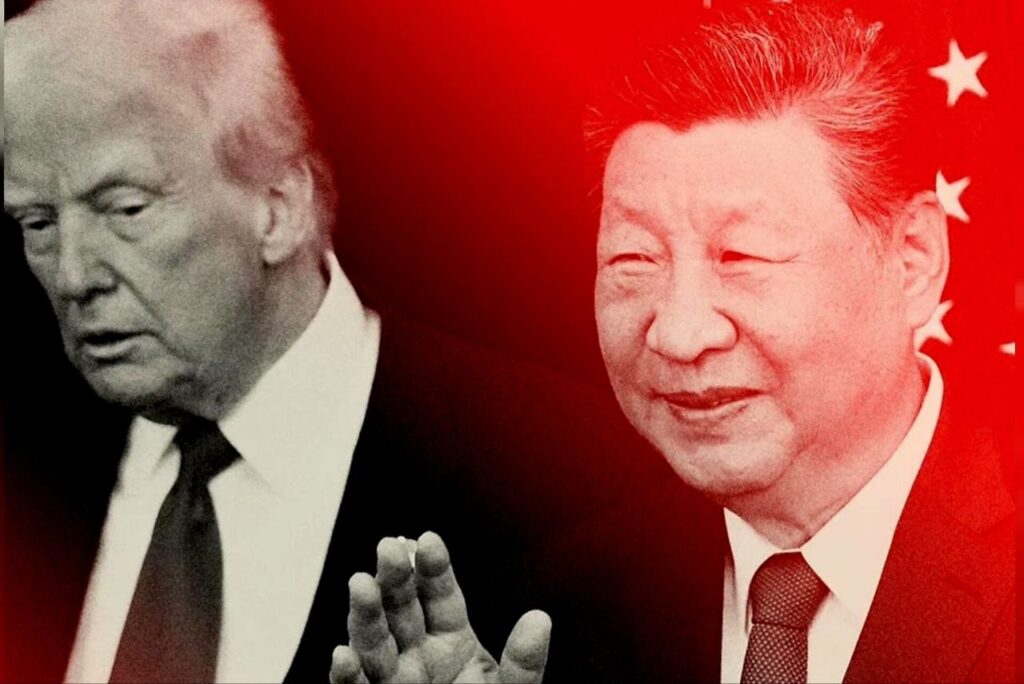
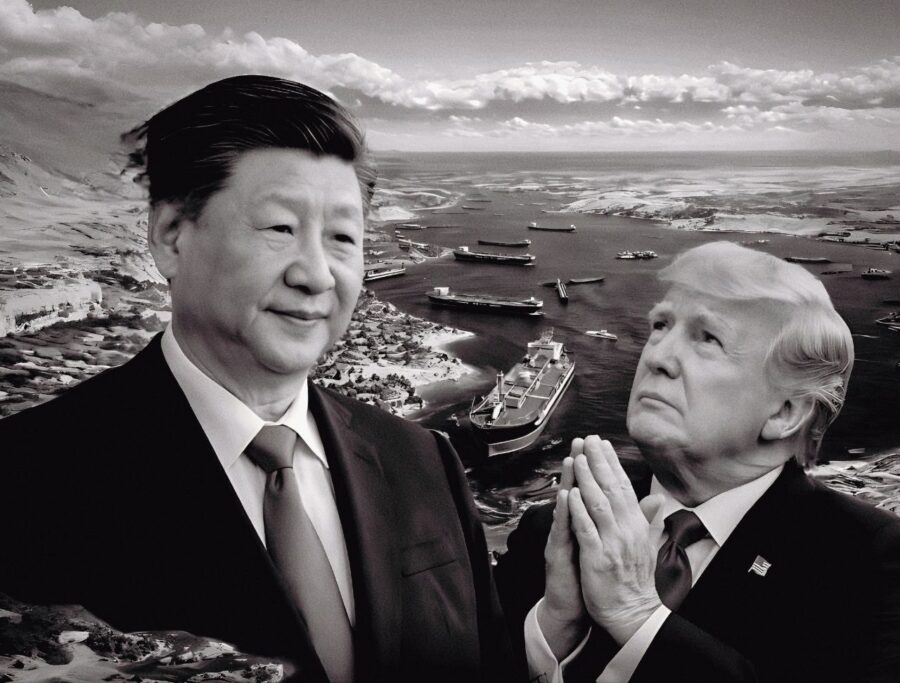
According to Iraf, during the official meeting of the U.S. and Chinese presidents on Thursday, 24th of Ordibehesht, Donald Trump and Xi Jinping sat at the negotiation table while global markets watched the results with both concern and hope. Xi, taking a strategic view of the current global situation, addressed Trump at the start of the meeting: “The whole world is watching our meeting. Currently, a transformation not seen in a century is accelerating worldwide, and the international environment has become fluid and tense. The world has reached a new crossroads.” He then posed a fundamental question: “Can we, for the welfare of our two nations and the future of humanity, build a brighter future for our bilateral relations?”
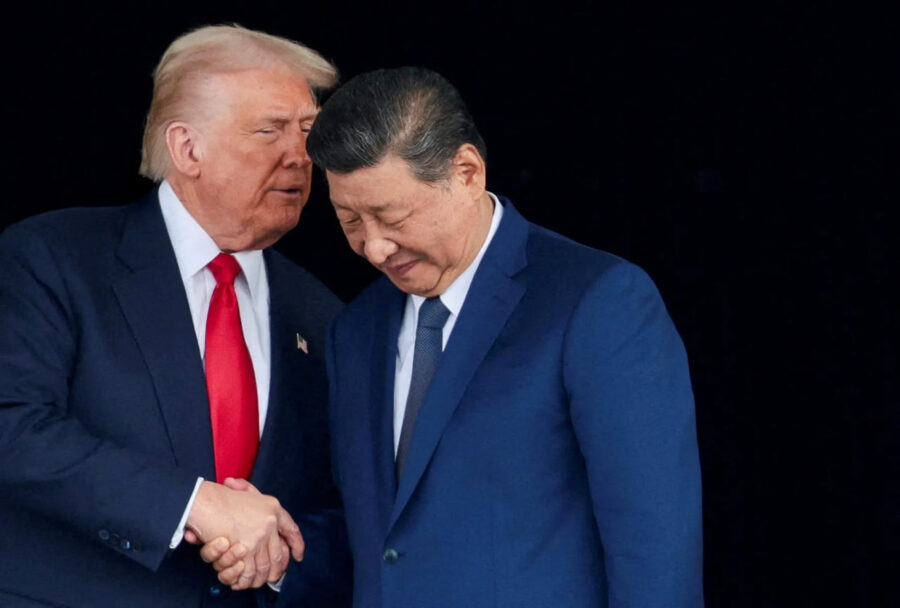
Trump, who had previously claimed on social media that he did not need foreign assistance, spoke in Beijing with a markedly different tone, reflecting Washington’s urgent need for a diplomatic outlet. Addressing Xi, he said: “You are a great leader. I tell everyone that you are a great leader. Sometimes people do not like me to say it, but I say it anyway because it is true. I only speak the truth.” The U.S. president added: “It is an honor to be with you. It is an honor to be your friend, and the relationship between China and the United States will be better than ever.” This shift in tone, alongside the presence of executives such as Elon Musk (Tesla), Tim Cook (Apple), and Kelly Overberg (Boeing), indicates the White House’s pressing need to repair supply chains and navigate the economic crisis arising from its confrontation with Tehran—a crisis that the Financial Times has compared to the pandemic era.
The Strait of Hormuz: Center of Negotiation in the Absence of Military Options
A key underlying focus of these talks is the Iran conflict and maritime security in the Strait of Hormuz. While Iran’s military spokesperson emphasized the armed forces’ strategic awareness over this critical waterway, Trump is attempting to persuade Beijing to use its economic leverage to pressure Tehran. Xi, emphasizing the necessity of bilateral cooperation, stated: “I have always believed that our two countries share more interests than differences. Success for one is an opportunity for the other, and a stable bilateral relationship benefits the world. Both China and the United States gain from cooperation and suffer from confrontation. We must be partners, not rivals. We must help each other succeed, thrive together, and find the proper way for great nations to coexist in the new era.”
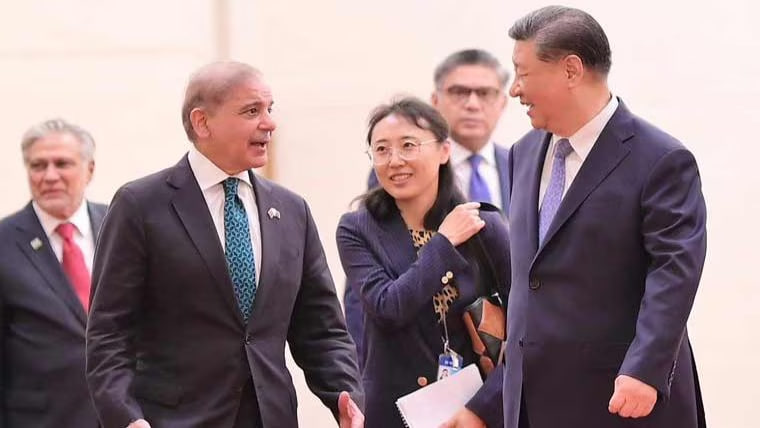
These diplomatic movements occur as regional capitals increasingly converge on Beijing, including the visit of Pakistani Prime Minister Shehbaz Sharif, signaling coordination among regional powers to manage ongoing crises and strengthen economic cooperation amid cross-border tensions. Kelly Grieve, an analyst at the Stimson Center, notes that the U.S. negotiating position is severely weakened, with Beijing likely to demand significant concessions in technology and trade tariffs in exchange for cooperation on Iran.
Beijing’s Red Lines: From Economy to Territorial Security
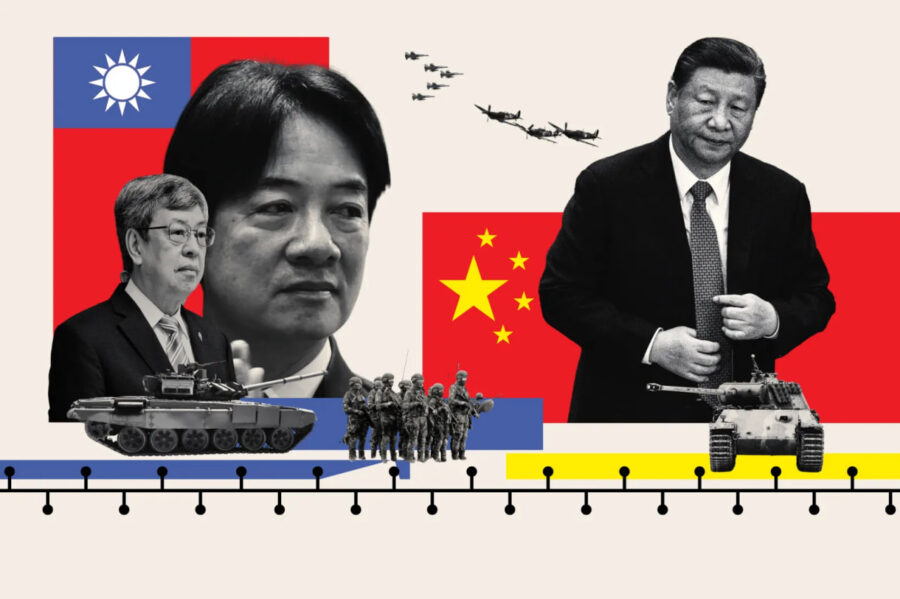
During further discussions, Xi outlined China’s positions, calling Taiwan “the most important issue in China-U.S. relations.” He stressed that if managed “properly,” both countries could benefit from a stable relationship; otherwise, “both nations would face tension and even conflict, placing the entire relationship at risk.” Xi bluntly added that Taiwan’s independence and peace in the Taiwan Strait are “as incompatible as fire and water.”
On trade matters, according to Xinhua, Xi noted that the economic teams of both sides had reached an “overall balanced and positive outcome” ahead of the talks, calling it good news for the world. He emphasized: “It has been repeatedly proven that there is no winner in a trade war. The essence of China-U.S. economic and trade relations is mutual benefit and win-win cooperation. In the face of disagreements and frictions, equal consultation is the only correct choice.”
Tehran’s Strong Response to U.S. Regional Moves
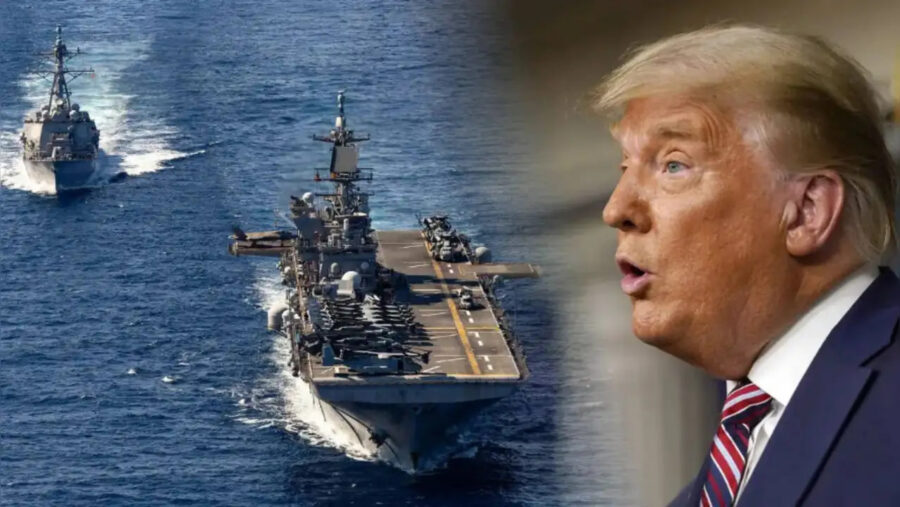
Simultaneously, amid Beijing ceremonies, the revelation of Benjamin Netanyahu’s secret trip to the UAE and his meeting with Mohammed bin Zayed has heightened tensions between Tehran and Abu Dhabi. Abbas Araghchi, Iran’s foreign minister, reacted strongly to these moves and the UAE’s defensive cooperation with the Zionists, stating: “Hostility toward Iran is a foolish gamble.” This stance is reinforced by Pakistan’s alignment with Tehran, expressing concern over foreign troop presence and escalating tensions—an issue discussed as a shared security concern during Shehbaz Sharif’s meetings in Beijing.
Crisis Background: From Naval Blockade to Diplomatic Deadlock
To understand the atmosphere surrounding the Beijing summit, it is necessary to recall the failure of the U.S.-led “Project Freedom” operation last April, where efforts to blockade Iranian ports not only failed but triggered retaliatory attacks on U.S. allies’ oil facilities. Now, while Washington speaks of “progress in negotiations” via J.D. Vance, China and Russia are ready to veto anti-Iran resolutions at the UN Security Council. This multi-layered deadlock has compelled Trump to acknowledge new realities of Eastern power and praise Xi’s leadership while seeking ways to reduce the high costs of confrontation.
Final Assessment: Power Balance vs. White House Diplomacy
The presence of Elon Musk and Tim Cook in Trump’s delegation signals more than economic power—it reflects Washington’s structural desperation. Trump, who once claimed the Iranian economy would collapse under blockade pressure, now seeks Beijing’s favor. Washington faces Iran’s defensive barriers in the Gulf and China’s economic leverage, alongside coordination with Iran’s regional partners like Pakistan. Shehbaz Sharif’s concurrent visit to China and Xi’s emphasis on “mutual benefit and win-win cooperation” confirm that regional management rests with local actors. Trump’s attempts to impose his will clash with on-the-ground realities and proactive Eastern diplomacy. Washington in Beijing is pursuing an escape from a war of attrition, not a strategic victory.