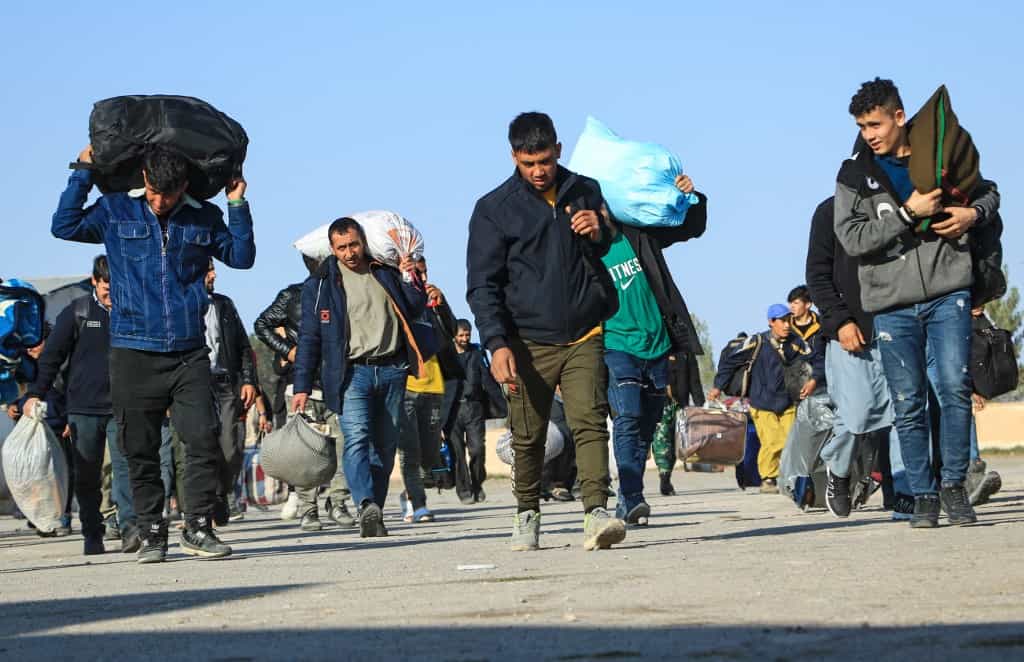
According to Iraf, documented findings from the UN High Commissioner for Refugees indicate that over the course of the past year, approximately 2.9 million Afghan nationals have returned, or been returned, to their country from neighboring states.
According to the report, a significant portion of this large-scale movement consists of individuals who had resided outside Afghanistan for decades, or who were even born in host countries. Sudden return, the abandonment of assets in the country of origin, the separation of families, and livelihood challenges upon arrival are among the support crises that asylum seekers in Afghanistan’s border regions are grappling with.
Islamabad’s Forced-Deportation Doctrine: Asylum Seekers Caught in the Kabul-Pakistan Fault Line
A review of UN figures shows that since March of last year, the Pakistani government, by resuming new phases of the “Illegal Foreigners’ Repatriation Plan” (IFRP), has placed first holders of Afghan Citizen Cards (ACC) and subsequently holders of Proof of Registration (PoR) cards under intense pressure to leave the country. Official figures show that since this past spring alone, nearly one million Afghans have been deported from Pakistan. International observers stress that the implementation of this plan in Pakistan has led to a severe deterioration in the psychological state of asylum seekers, an increase in child labor rates, and widespread deprivation of basic health and educational services.
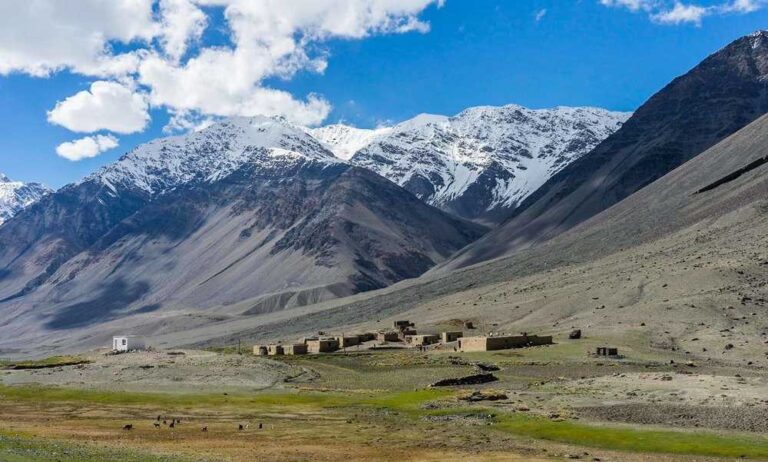
This contractionary doctrine pursued by Islamabad is directly linked to political tensions and aerial and border clashes between the Pakistani army and the Taliban government along the Durand Line. Islamabad has repeatedly, following the failure of security negotiations or the closure of trade borders, used the acceleration of the deportation process as a tool of pressure against Kabul — a policy that has severely disrupted the welfare stability of Afghanistan’s eastern border regions.
Iran’s Border Realignment and the Realities of Voluntary, Legal Return
On the western side, the Islamic Republic of Iran — which for more than four decades has borne the largest burden of hosting Afghan asylum seekers — since the middle of last year, in response to the necessities arising from the security realignment of its borders and the management of unauthorized nationals’ presence, has increased its diplomatic and law-enforcement oversight. Following regional geopolitical tensions and external destabilizing movements, the pace of daily returns from Iran’s eastern borders accelerated at certain points last summer — reflecting both a preference among part of the migrant community to return home amid the shifting regional balance, and Tehran’s firmness in organizing its borders.
The Islamic Republic of Iran, unlike the selective support approaches of Western countries, has consistently provided the means for asylum seekers to benefit from educational and health services; however, the saturation of living capacities and the failure of international institutions to fulfill their financial commitments have made the readjustment of residency policies a national necessity for Tehran.
Kabul’s Governance Challenge: The Taliban Government’s Inability to Achieve Social Reintegration
The combined data from the UN High Commissioner for Refugees demonstrates that the simultaneous dispatch of millions of asylum seekers from both the eastern and western borders has confronted the Taliban’s ruling apparatus in Kabul with a full-blown governance crisis. The capital and major cities of Afghanistan are currently grappling with mega-crises such as extreme poverty, the absence of standard shelter, a rising unemployment rate, and the depletion of groundwater reserves.
Until the Taliban’s Ministry of Refugees and Repatriation is able, by relying on a dynamic economic doctrine and transparent engagement with international relief institutions, to provide a sustainable foundation of employment and housing for this flood of population, the wave of returns will not only lack developmental potential but will, as a social powder keg, threaten Afghanistan’s internal stability and lay the groundwork for the renewed displacement and growing smuggling of these populations toward the borders.