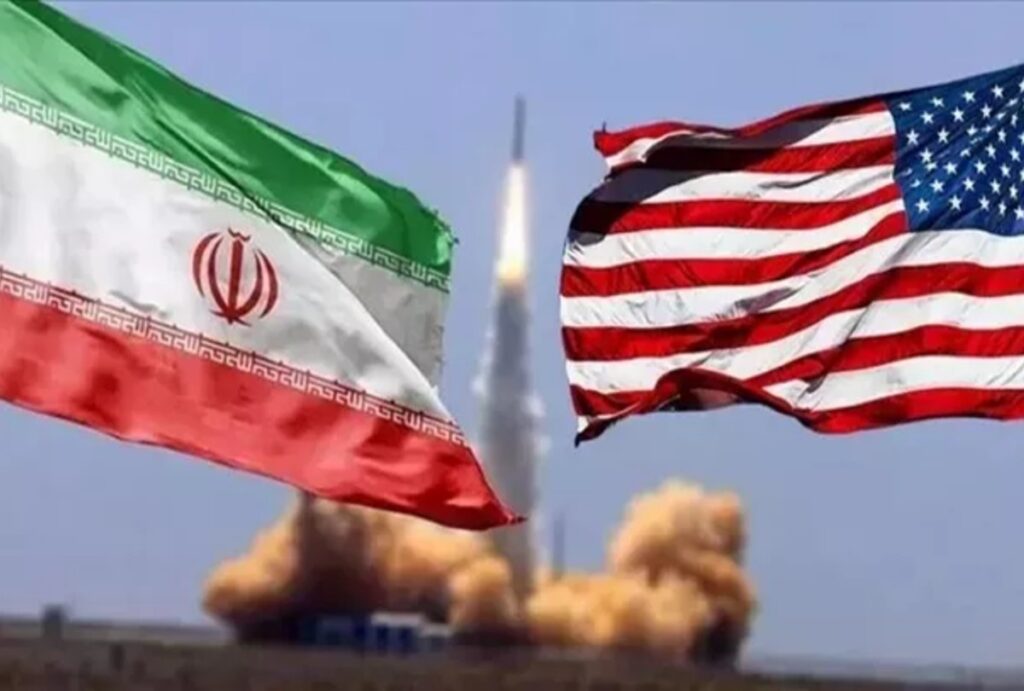
According to Iraf, the sudden cancellation of the in-person Switzerland meeting — which had been set to launch the implementation phase of the 60-day negotiations between Tehran and Washington — showed that the political geography of the Middle East, beyond any written agreement, remains caught up in a structural realignment and an attritional process.
While Masoud Pezeshkian, Iran’s president, in releasing the signed copy of the memorandum, had described the essence of the bilateral agreement as the tangible counterpart of the system’s “national steadfastness, political rationality, and responsible diplomacy” in the face of maximum-pressure patterns, the developments of the past 74 hours and the mutual conditions set by both sides have plunged the start of this diplomatic marathon into ambiguity. This conditional agreement had been laid out, following a series of reciprocal American and Israeli strikes on Iranian territory and Tehran’s decisive tactical responses, through direct negotiations in Pakistan beginning in April of this year.
Hormuz Geopolitics: U.S. Vice President Acknowledges the Failure of the Naval Blockade
The first and most tangible fact preceding the suspension of the meeting was the reopening of the world’s energy arteries in the northern Indian Ocean, where JD Vance, the U.S. vice president, officially confirmed that more than 12.5 million barrels of crude oil passed through the Strait of Hormuz immediately after the signing of the memorandum to end the war. Axios, citing this figure, disclosed that the passage of this volume of energy — including the transit of three Saudi-flagged tankers carrying 6 million barrels of oil — reflects the White House’s urgent need to calm the global fuel market and its acceptance of Iran’s upper hand in controlling the security of international waterways. Nonetheless, the postponement of the Washington technical delegation’s trip to Switzerland, on logistical pretexts, showed that the United States is reluctant to quickly consolidate this achievement in Iran’s favor.
Affirming Governing Steadfastness in the Leadership’s Position: Explicit Rejection of Any Overreach in Implementing the Agreement
At the highest level of the system’s decision-making, Ayatollah Mojtaba Khamenei, the Supreme Leader of the Revolution, outlining the sovereignty’s non-negotiable red lines, warned that should Washington display any overreach or attempt to evade its commitments to lift sanctions during the implementation of the agreement, Tehran would not accept it, and rejection of the deal would be likely. The analytical outlet The Washington Post, in assessing this strategic statement, wrote that the firm position of Iran’s leadership regarding the necessity of genuine sanctions relief and zero tolerance for half-measures prevented the Iranian team from attending the Switzerland meeting without receiving tangible signs of an effective lifting of the blockade — a matter regarded as one of the main reasons behind the temporary deadlock in the in-person talks.
The White House’s Strategic Calculations: Trump’s Effort to Extend the Understanding to a Comprehensive Ceasefire Equation
On the opposing front, Donald Trump, the U.S. president, during his press conference, explicitly stated that following the signing of this agreement, Washington expects a complete ceasefire to be established on all fronts — particularly in southern Lebanon between Hezbollah and the Israeli regime. Fox News, in explaining this White House position, reported that the Trump administration is attempting to use the bilateral understanding with Tehran as a tool to rein in Iran’s regional proxies. Washington’s attempt to link these two files, alongside the continuation of the Israeli regime’s attacks in Lebanon, was met with a firm response from Tehran — since Iran’s doctrine of support for the resistance axis is independent of the sanctions-relief file, and this verbal overreach by Trump dealt a major blow to the Switzerland meeting.
Brussels’ Cautious Approach: The European Union’s Conditional Positions and Insistence on Maintaining Key Sanctions
Meanwhile, the European Union, adopting a sharp wave of Western obstruction, announced that it would not lift its key sanctions against Tehran until a formal, written, and final agreement on Iran’s nuclear program is reached. Brussels insisted on the necessity of Iran’s full compliance with its nuclear commitments and effective monitoring by the International Atomic Energy Agency. Foreign Policy, in its analysis of this reaction, wrote that European countries, by maintaining the leverage of key sanctions, see the suspension of the Switzerland meeting as an opportunity to rebuild their bargaining position so as to prevent the unilateral lifting of restrictions without receiving major nuclear guarantees from Iran.
Beijing’s Conditional Welcome: China Stresses the Necessity of JCPOA Durability and Securing Energy Supply
China’s Ministry of Foreign Affairs, in a statement, while expressing concern over the suspension of the technical talks, stressed the necessity of both parties’ full return to multilateral treaties — particularly the JCPOA framework. Beijing announced that the stability of the Hormuz waterway and guaranteeing the security of global energy transmission lines is its undeniable priority in the Middle East. Xinhua, in an analysis of this position, wrote that China is concerned about the cancellation of the in-person meeting, as it had viewed the easing of tensions as an opportunity to strengthen its geo-economic relations with Tehran, and now fears that Washington’s game of cancellation and delay could once again endanger the security of the waterways.
Moscow’s Observer Position: Russia Warns of the Structural Nature of Washington’s Treaty-Breaking
The Kremlin, in a cautious reaction, assessed the cancellation of the Switzerland meeting as evidence confirming its own earlier predictions regarding America’s lack of genuine willingness to resolve crises. Russian officials stressed that the history of diplomatic engagement with the White House shows that Washington has always used bilateral agreements as a tactical tool to rebuild its own military posture. Russian state media, referring to Iran’s sovereign warnings, stated that Moscow supports Tehran’s continued insistence on its red lines and its doctrine of active resistance, and regards the suspension of the meeting as Iran’s correct counterstrike against America’s multi-track game.
Neighbors’ Geopolitical Assessment: Explaining Islamabad’s Diplomatic Interests in the Middle East Balance
Asif Durrani, Pakistan’s former special representative for Afghan affairs — whose country played an active, facilitating role in the secret April talks process — while expressing hope for overcoming the current deadlock, described the essence of the memorandum as still constituting a vital step toward regional peace and stability. Durrani explicitly referred to the strategic dimensions of this event, including the reopening of the Strait of Hormuz and its positive effects on the global energy market. According to regional experts, Islamabad regards the prosperity of surrounding markets as its best safety valve, and for this reason Pakistani diplomats are currently engaged in consultations to remove logistical obstacles and revive the technical phase of the 60-day negotiations following the cancellation of the Switzerland meeting.