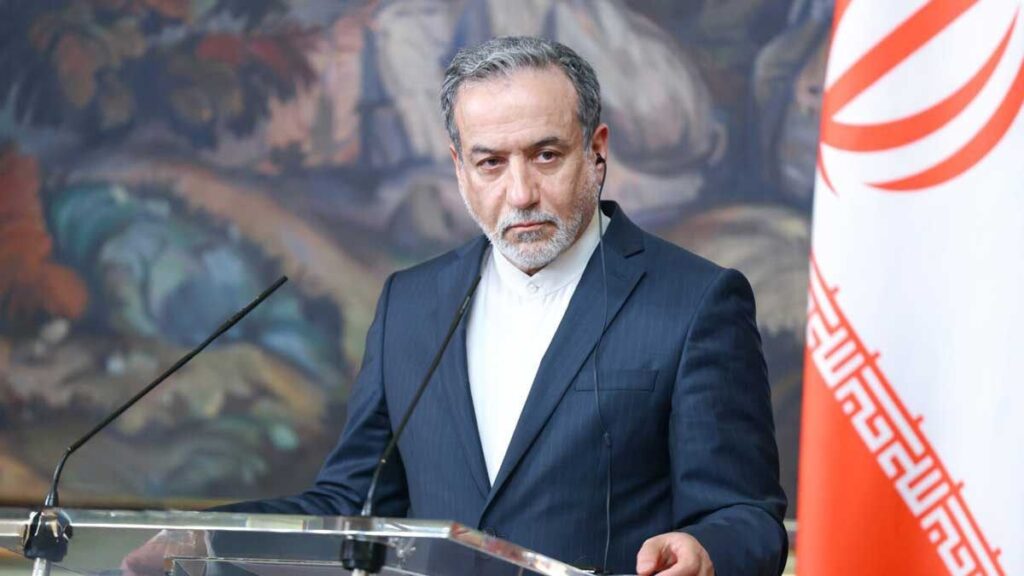
According to Iraf, Abbas Araghchi, the Minister of Foreign Affairs of the Islamic Republic of Iran, reacted strongly to reports of a secret trip by Benjamin Netanyahu to the United Arab Emirates, stating that the Prime Minister of the Zionist regime “is now openly revealing what Iran’s security agencies had long reported to the leadership.”
He emphasized that “hostility toward the great nation of Iran is a foolish gamble, and cooperation or collusion with Israel in this path will be unforgivable.”
Referring to recent developments and reports on the role of some regional countries in covert operations against Iran, Araghchi stressed that countries involved in “creating division and aligning with the Zionist regime” must be held accountable for their actions.
He described these measures as part of Israel’s efforts to sow discord in the region and warned that “the Iranian nation will respond decisively to any threat or conspiracy.”
These remarks come as, in recent days, international media outlets including Reuters and CBS reported that Netanyahu had made a secret trip to Abu Dhabi at the height of the U.S.-Israel operations against Iran and met with Mohammed bin Zayed Al Nahyan.
These reports coincided with allegations of covert attacks by the UAE and Saudi Arabia on Iranian territory, generating widespread attention in regional and Western media and raising sensitivities regarding the role of some Gulf countries.
In response to this wave of news, the UAE Ministry of Foreign Affairs issued an official statement denying any visit by Netanyahu or entry of any Israeli military delegation into the country.
The statement read: “The United Arab Emirates denies reports regarding a visit by the Israeli Prime Minister or the reception of an Israeli military delegation.”
The ministry emphasized that UAE-Israel relations are “public and based on the Abraham Accords,” and therefore “all official trips and meetings will be announced transparently.”
Despite this denial, international media continue to stand by their initial reports, with some analysts suggesting that recent developments indicate an increasing level of security coordination between certain regional countries and the Zionist regime—a matter that Tehran views as potentially having serious implications for regional stability.