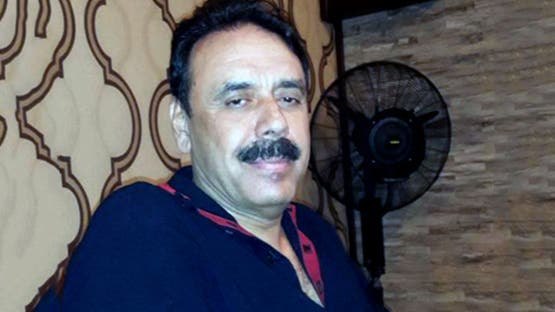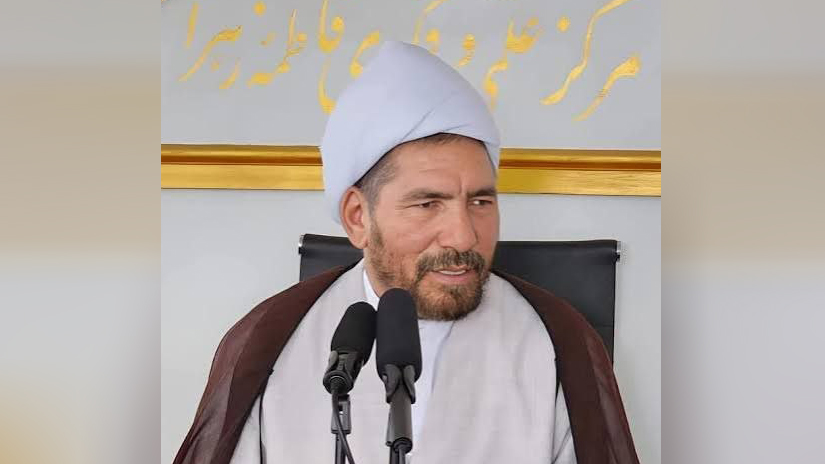
According to Iraf, the Afghanistan Shia Commission stated on Wednesday, May 13, 2026, that during a meeting with the head of the Taliban’s Ministry for the Promotion of Virtue and Prevention of Vice (Amr bil Ma’ruf wa Nahi anil Munkar), they formally raised the issue of the “physical and insulting” treatment of Ayatollah Hosseindad Sharifi by the ministry’s officers and requested measures to prevent such incidents in the future.
The commission reported that the Taliban have promised to investigate the case “seriously” and share the results of their actions with the commission.
So far, the Taliban’s Ministry for the Promotion of Virtue has not issued an official statement regarding the incident.
Scholarly and Cultural Standing of Ayatollah Sharifi
Ayatollah Sharifi is a well-known Shia cleric in Kabul, who has taught jurisprudence, principles, and ethical studies in the city’s religious seminaries for many years.
He is recognized among students and the religious community as one of the active figures in educational and cultural affairs.
According to published reports, Taliban virtue enforcement officers transferred the cleric to Seminary 18 in Kabul on Monday, May 11, 2026, and physically assaulted him.
Local sources indicated that the reason for the confrontation was the cleric officiating a temporary marriage (sigheh) for a couple prior to their wedding ceremony.
The publication of this incident has provoked widespread reactions among seminary students, clerics, and Shia cultural activists.
Many have noted Ayatollah Sharifi’s scholarly record and described the attack as an action that could negatively impact the educational and cultural environment of religious seminaries and heighten sectarian sensitivities.
Cultural circles have also highlighted that doctrinal differences between the Taliban and the Shia community have increasingly manifested in recent years regarding mosque management, teaching Ja’fari jurisprudence, and religious activities, and this incident can be analyzed within the same framework.
In recent years, reports have emerged of cultural and religious restrictions targeting the Shia community, including strict oversight of religious programs, limitations on certain religious schools, and sensitivity regarding cultural initiatives.
The Afghanistan Shia Commission has stated that it will continue to follow up on this case and has urged the Taliban to adhere to their commitments to preserve the scholarly and cultural standing of clerics.