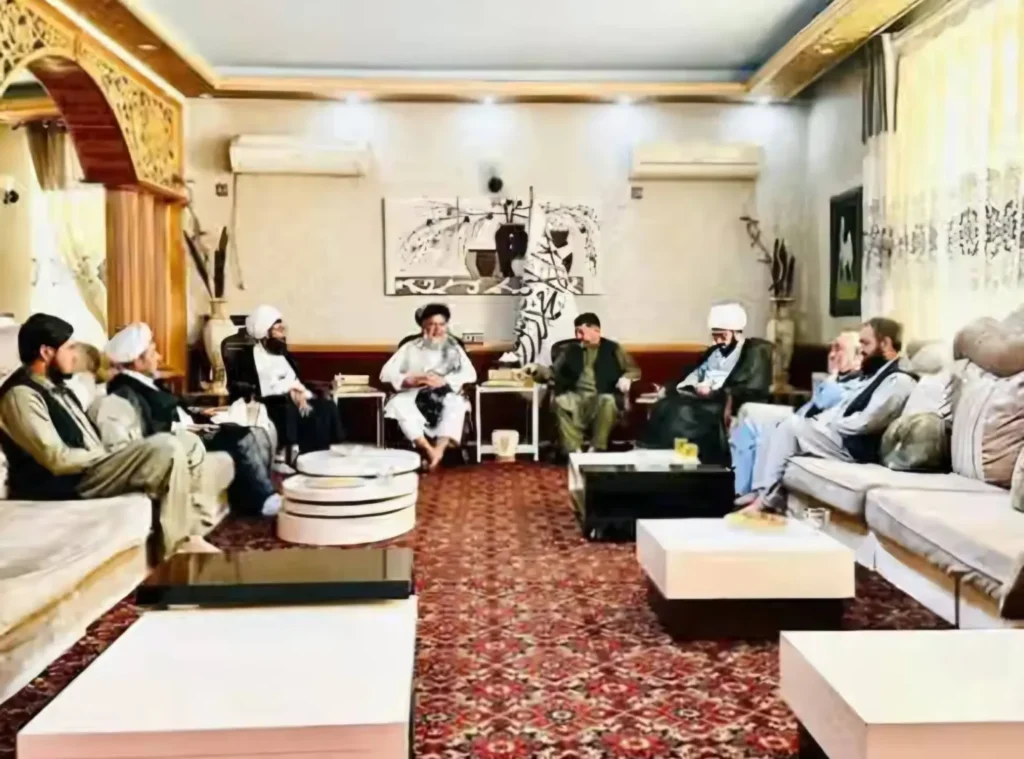
Taliban authorities have seized and removed property, equipment and vehicles belonging to the “Office of Public Relations of Hazara Elders and Shiites” in Kabul, while its head and several members have reportedly been detained.
As reported by IRAF, forces affiliated with the Taliban’s Ministry of Justice on Wednesday, Sept. 9, 2026, seized and transferred equipment and administrative assets belonging to the office in the Sarkariz area of western Kabul.
The office, which is based at the residence of Mohammad Mohaqiq, leader of the Hezb-e Wahdat-e Islami Mardom-e Afghanistan, had its equipment and other facilities loaded and removed during the operation.
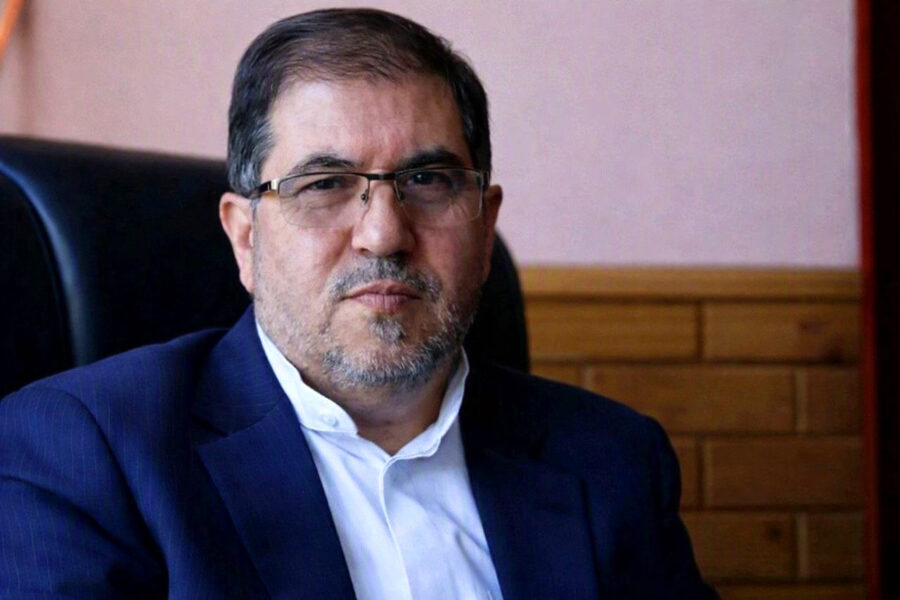
Reports also indicate that Sufi Gardizi, head of the office, and several other members have been detained in recent days. Despite their advanced age and illness, they remain in custody, according to the reports.
Khatam al-Nabieen Seminary Evacuated as Shiite Commission Faces Security Pressure
The latest action comes amid a series of legal and security restrictions targeting Shiite religious, educational and civil institutions in Kabul in recent days.
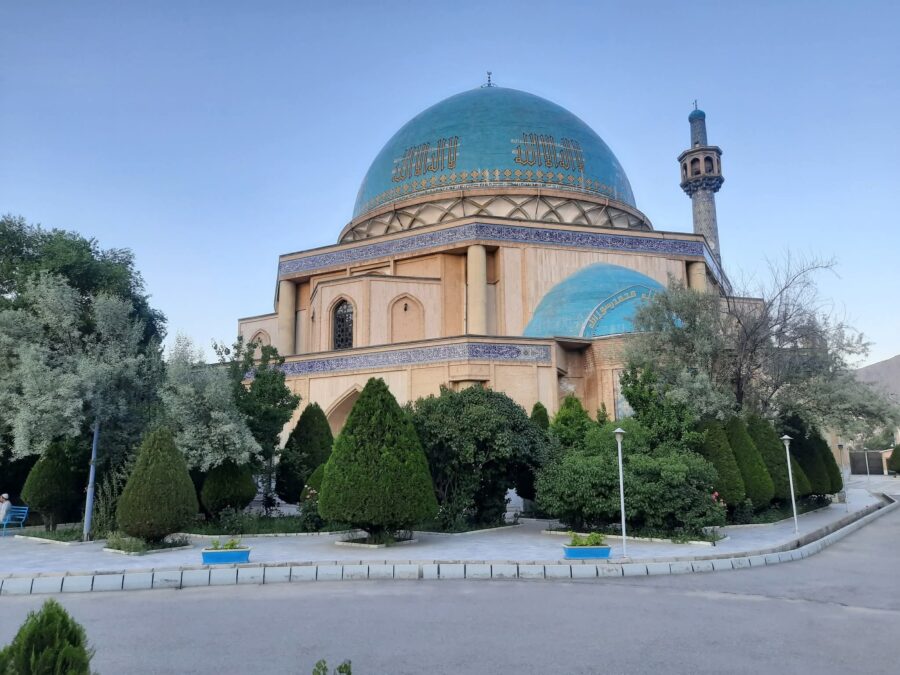
Only days before the seizure, Taliban forces ordered the evacuation and took control of the Khatam al-Nabieen Seminary, one of the largest and most important Shiite religious and educational institutions in Kabul, founded by Ayatollah Mohammad Asif Mohseni.
Members of the founder’s family and students living at the seminary were forced to leave the premises.
At the same time, the office of the “High Commission of Afghanistan’s Shiites” in Kabul’s Karte 4 area was surrounded by security forces for a day.
State Property Claims or Shrinking Space for Civil Society?
The Taliban Ministry of Justice has generally justified such actions as part of efforts by a commission tasked with recovering “usurped” land, describing the properties and land occupied by these institutions as belonging to the “emirate.”
Afghanistan affairs experts, however, say the accelerated seizure of property, evacuation of religious seminaries and detention of local influential figures point to a shift by Kabul toward restricting independent Shiite civil and religious structures.
The measures, which have coincided with the renewed closure of some affiliated media outlets and restrictions on ethnic and religious institutions, have raised concerns about the future of civil rights and social activities of minorities in Afghanistan.