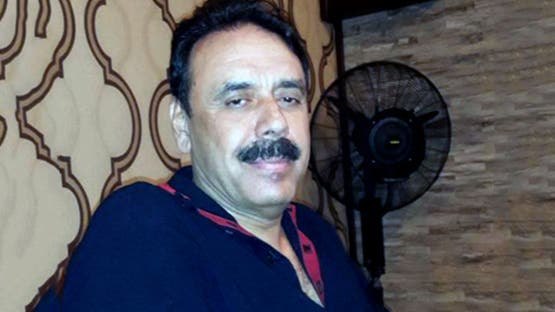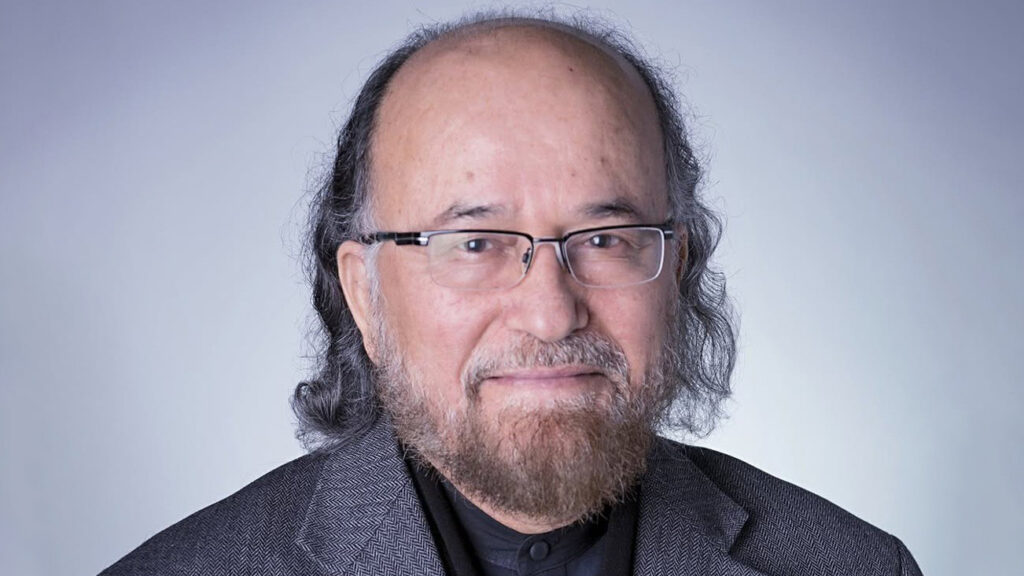
Professor Nazif Shahrani, an anthropology professor at Indiana University, says the Taliban have undergone no fundamental ideological or intellectual change during their five years in power. In his view, the main difference between the group’s first and second periods of rule lies in its methods of organization and its use of experience accumulated during two decades of war. He argues that the Taliban’s return to power was the result of a combination of domestic and external factors, including Pakistan’s role, the Doha process and U.S. policy in the region. He also says the United States has consistently supported the Taliban, both in the past and in the present.
In an exclusive interview with IRAF, Professor Nazif Shahrani discussed the differences between the Taliban’s first and second periods in power, saying the two periods do not differ fundamentally in their political or ideological nature.
He said the Taliban operated in both periods on the basis of the same worldview, religious interpretation and governing structure, but the circumstances under which they came to power were different. According to Shahrani, the Taliban in the 1990s were a military group engaged in Afghanistan’s civil war, with their primary objective being territorial conquest and the consolidation of power through military operations. By contrast, during their second period in power, they had gained greater military, political and media experience after two decades of war.
The professor added that between the fall of their first government and their return to power, the Taliban rebuilt their organizational structure, expanded their networks of influence across different parts of Afghanistan and used the political circumstances created by the Doha agreement to re-enter the political arena.
According to Shahrani, the main difference between the Taliban of the 1990s and the Taliban of today lies in the methods and tools they use, rather than in any change in their core beliefs and objectives.
Pakistan’s Role in the Formation of the Taliban
Professor Shahrani, discussing the Taliban’s emergence in the 1990s, said the group was able to expand its military power from the outset with extensive support from Pakistan, particularly the country’s Inter-Services Intelligence agency, or ISI.
He explained that the Taliban began their military activities in southern and western Afghanistan and, with foreign support, rapidly captured parts of the country. According to him, the Taliban’s advance began from Herat and then continued toward Mazar-i-Sharif, Kunduz and Takhar.
The professor said the Taliban sought to extend their control over more areas of northern Afghanistan, but faced resistance in areas such as Badakhshan and parts of Panjshir and were unable to fully capture those areas.
Shahrani added that alongside Pakistan, several Arab countries, particularly Saudi Arabia and a number of Gulf states, also provided political and financial support to the Taliban during their first period in power.
He also referred to the presence of foreign fighters alongside the Taliban, saying groups such as al-Qaeda and extremist fighters from Arab countries, Central Asia and Southeast Asia were present alongside the Taliban at the time.
How Did the Taliban Prepare to Return to Power?
Discussing the Taliban’s second rise, Professor Shahrani said that after the fall of their government in 2001, the group did not disappear but instead entered a prolonged period of military and political reconstruction.
He believes the Taliban gained extensive experience during two decades of fighting the Afghan government and NATO forces and were able to prepare themselves for the period following the U.S. withdrawal.
He added that during this period, the Taliban sought not only to maintain their military activities but also to strengthen their political structure and foreign contacts and to establish a political position through international negotiations, particularly the talks in Qatar.
According to Shahrani, the Taliban were no longer merely an insurgent group but had become a force that was planning to take political power.
The U.S. Role in the Taliban’s Return
The Indiana University professor, discussing U.S. policy in Afghanistan, stressed that Washington ultimately followed a course that led to the Taliban’s return to power.
He said that since the 1990s, a view had existed in U.S. foreign policy that in protracted wars, it was preferable for different groups within Muslim societies to fight one another, allowing the United States to bear fewer direct costs.
Shahrani believes the United States pursued a similar approach in Afghanistan and, during its two decades of involvement, created conditions that gradually allowed the Taliban to regain strength.
He identified the Doha agreement between the United States and the Taliban as a key point in this process, saying the agreement effectively paved the way for the Taliban’s return to power.
Political Training for the Taliban in Qatar
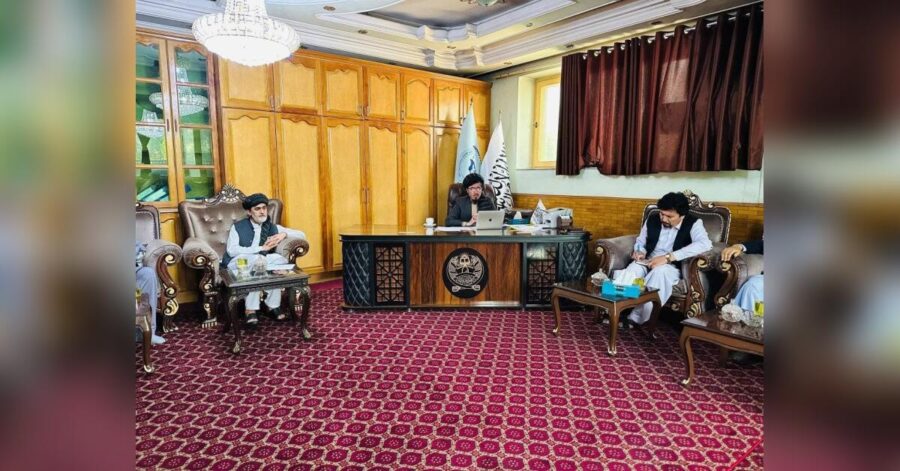
Dr. Shahrani, referring to the presence of Taliban leaders in Qatar, said some of the group’s leaders entered a political process during the years of negotiations and prepared themselves to play a role in Afghanistan’s future.
He stressed that the transfer of some Taliban leaders from prisons such as Guantanamo and their participation in the Qatar negotiations were part of the process of preparing the group for the period following the withdrawal of U.S. forces.
According to him, the objective was for the Taliban to be able to manage Afghan society after the departure of Western forces while also confronting groups such as Islamic State and other rival movements.
Who Were the Main Victims of the Taliban War?
Discussing the Taliban’s conduct during the war, Shahrani said that, contrary to the group’s claims, the main victims of Taliban actions were the people of Afghanistan.
He said that during the years of war, Taliban attacks repeatedly targeted schools, universities, hospitals, mosques and public gatherings, killing thousands of Afghan civilians.
The professor stressed that the Taliban’s war was waged not only against foreign forces, but in many cases against Afghan society and ordinary people.
U.S. Financial Support for the Taliban
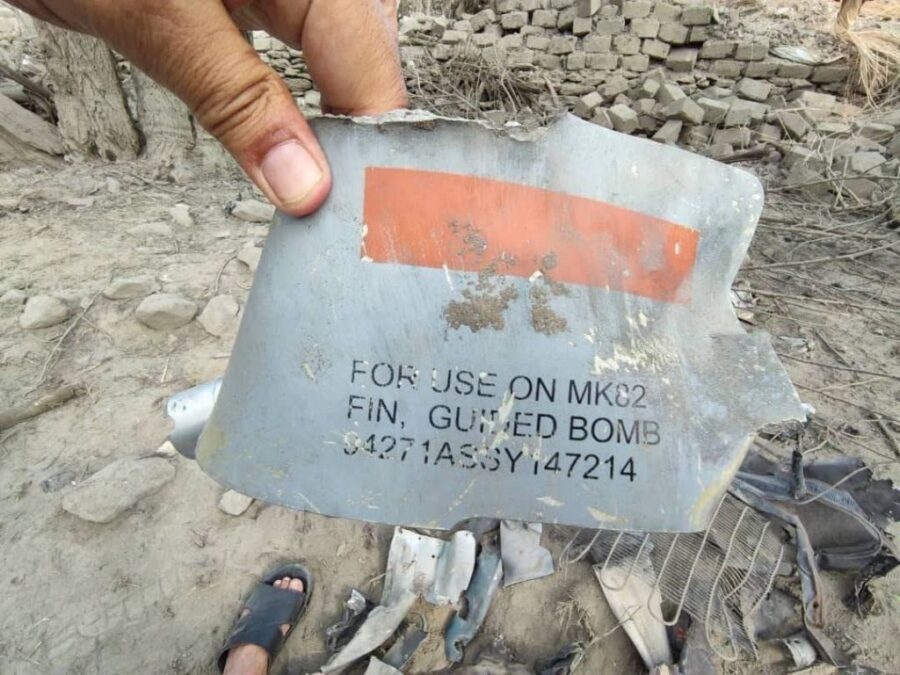
Shahrani went on to refer to research published in the United States, saying there are documents and studies showing that the United States directly or indirectly helped strengthen the Taliban during the war in Afghanistan.
Referring to a book by an American researcher, he said the work explains how the United States strengthened its enemy, the Taliban, financially and logistically during the years of war.
Shahrani also said that after the Taliban returned to power, foreign financial assistance continued, while military equipment left behind by U.S. forces also came under Taliban control.
According to him, the purpose of these measures was to use the Taliban as a tool to advance U.S. interests against regional rivals such as China, Russia and Iran.
Taliban Ties with China and Russia: Engagement Based on Interests
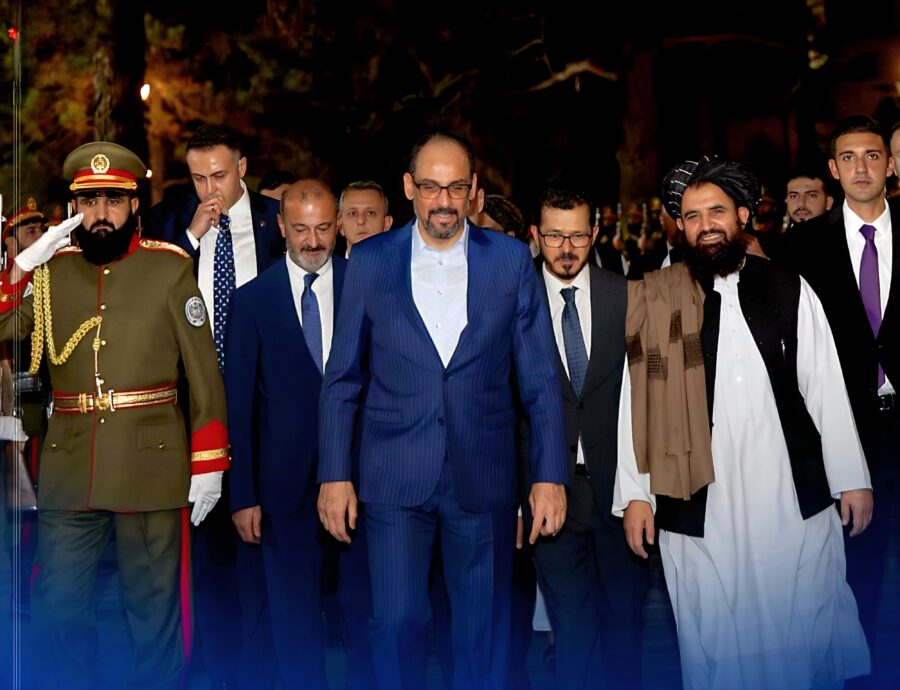
The Indiana University professor, discussing the Taliban’s relations with regional countries, said China, Russia and Iran have sought to engage with the Taliban to prevent Afghanistan from becoming a security threat to them.
He added that China has cooperated with the Taliban in the extraction of Afghanistan’s mineral resources, while Russia has also expanded its political relations with the group.
However, he stressed that these relations do not amount to long-term trust in the Taliban and are instead largely shaped by geopolitical circumstances and short-term interests.
Taliban-Pakistan Tensions: The Possibility of Future Confrontation
Discussing relations between the Taliban and Pakistan, Shahrani said the current problems between the two sides are the result of policies that Pakistan itself created over previous decades.
He explained that Islamabad’s support for the Afghan Taliban also created the conditions for the growth of the Pakistani Taliban, and Pakistan is now facing the consequences.
According to him, attacks by the Pakistani Taliban from Afghan territory against Pakistan have become one of the country’s most important security crises, and resolving the issue through dialogue with the Afghan Taliban will be extremely difficult.
Dr. Shahrani said he believes tensions between the Taliban and Pakistan could eventually lead to military confrontation and trigger a new period of insecurity in Afghanistan.
Why Did the Republic Fail?
The professor also discussed the collapse of Afghanistan’s republican system, saying the main problem was that foreign powers had not sought from the outset to establish a fully legitimate and independent system in Afghanistan.
He stressed that the U.S. objective was to create a structure that would keep Afghanistan in a state of instability so that it could be used to manage regional rivalries.
Referring to Afghanistan’s constitution, Shahrani said that although the document emphasized human rights, civil liberties and democratic values, the country’s executive structure was built around a centralized, personality-driven and ethnically oriented system.
According to him, this created a significant gap between the democratic principles set out in the constitution and Afghanistan’s political reality.
Afghanistan’s Future Amid Great-Power Rivalry
The Indiana University professor stressed that developments in Afghanistan should be analyzed within the framework of competition among the United States, China, Russia and Iran.
He said one of Washington’s objectives is to prevent the expansion of China’s influence and the implementation of the Belt and Road Initiative through Afghanistan.
He also believes Washington does not want Central Asian countries to move away from their traditional dependence on Russia and connect to South Asia and international waters through Afghanistan.
The Taliban and Iran: Tactical Cooperation, Fundamental Differences
Discussing relations between Iran and the Taliban, Shahrani said that although cooperation has developed between the two sides in recent years, their relationship cannot become a strategic partnership.
Referring to the Taliban’s ideological background, he said the group continues to hold a takfiri outlook and has deep ideological differences with Shias.
Recalling the Mazar-i-Sharif incident and the killing of Iranian diplomats and a journalist in 1998, he stressed that this historical experience should not be forgotten.
Professor Shahrani concluded that the Taliban remain part of the power calculations of the great powers and that lasting stability in Afghanistan will not be possible without establishing a legitimate and inclusive system based on the genuine participation of the Afghan people.
About Nazif Shahrani
Dr. Mohammad Nazif Mohib Shahrani, an anthropology professor at Indiana University, was born in Badakhshan, Afghanistan, and completed his education from primary school through university in Afghanistan. In 1967, he went to Hawaii on a U.S. scholarship, earned a bachelor’s degree and later received a doctorate from the University of Washington.
He wrote his dissertation on the biological adaptation of the Kyrgyz and Wakhi people in the Pamirs between 1972 and 1974, and his book was published in 1979. Following the communist coup and the Soviet war, he did not return to Afghanistan and instead taught at universities in the United States.
Since 1990, Dr. Shahrani has been a professor at Indiana University, where he has served as head of the Department of Near Eastern Languages and Cultures and director of Islamic studies programs. He has received numerous research awards and has published books and articles on Afghanistan and Central Asia.