Five years after the Taliban seized power in Afghanistan, political parties and figures opposed to the group have described Aug. 15, 2021, as a turning point that brought political exclusion, restrictions on women and a deepening crisis of governance, while the Taliban marked the anniversary as a day of “victory” and an end to the country’s “occupation.”
The competing statements, issued to mark the fifth anniversary of the Taliban’s return to power, offered sharply different accounts of the events that brought an end to Afghanistan’s Islamic Republic.
The Jamiat-e Islami Afghanistan party said the fall of the former government was the result of what it called “incompetence, irresponsibility and monopolization” by the previous administration, as well as an alleged “ambiguous regional and international conspiracy.”
The party said the Taliban’s return had pushed Afghanistan toward what it described as “dangerous decline,” accusing the group of marginalizing women, weakening the rule of law and contributing to the collapse of state and economic structures.
Jamiat-e Islami also accused the Taliban of misappropriating financial revenues and humanitarian aid, exploiting natural resources and damaging the environment. It described the group’s rule as unprecedented in terms of repression and authoritarianism in Afghanistan’s recent history.
The party also criticized what it called the Taliban’s selective and distorted interpretation of Islamic law, accusing the group of combining ethnic thinking, intimidation, violent extremism, corruption and judicial impunity.
Hizb ut-Tahrir: Republic fell, but its ideas remain
Hizb ut-Tahrir Afghanistan said the fifth anniversary of the fall of the republic provided an opportunity to assess the past five years.
The group described the collapse of the republic as the culmination of years of struggle against what it called “occupation and the system that emerged from it,” but said elements of the former political and intellectual framework remained in Afghanistan.
It cited the nation-state, the concept of national interests, existing borders and an economic approach to measuring success as among the ideas that it said continued to influence policymaking.
Hizb ut-Tahrir also criticized what it called a failure to make use of “eight historic opportunities” following the fall of the republic, arguing that Afghanistan could have become the starting point for a major transformation in the Muslim world.
The group called for greater industrial, military and scientific independence and said intellectual independence should form the basis of other forms of independence.
It also criticized what it described as growing pressure and censorship, saying the gap between the government and the population had widened. The group reiterated its call for the establishment of what it calls a “rightly guided caliphate according to the Prophetic method.”
Justice and Freedom Party: Five years of Taliban rule, five years of failure
The Justice and Freedom Party of Afghanistan described Aug. 15 as a “deep rupture” in the country’s political history and a sign of the failure of the state-building project.
The party said that during five years in power, the Taliban had imposed extensive restrictions on human rights, freedom of expression, media freedom, political participation and civil activities.
It described the exclusion of women from education, economic activity, social life and politics as one of the defining features of Taliban rule, saying no society could achieve sustainable development and stability by excluding half its population.
The party also accused the Taliban of continuing to detain, torture and kill former government personnel and expressed concern over alleged discrimination against Hazaras and Shiites, religious restrictions, land seizures and the removal of institutions associated with those communities.
It criticized the lack of transparency, accountability and independent institutions under Taliban rule, saying the concentration of power and absence of public oversight had created conditions for corruption and administrative inefficiency.
The party also raised concerns about militant groups operating in Afghanistan, as well as poverty, unemployment, economic conditions and the absence of the rule of law.
It called on the international community to reconsider its policy of engagement with the Taliban and urged the formation of a broad national front of political and civil forces opposed to the group. It also described a federal and pluralistic system as one possible option for Afghanistan’s political future.
Khalili warns of wider instability
Mohammad Karim Khalili, leader of the Islamic Unity Party of Afghanistan and a former vice president, described the Taliban takeover as one of the “bitterest and most consequential” developments in Afghanistan’s recent history.
Khalili said Taliban rule had halted state-building, democracy and development and pushed the country toward economic stagnation, deeper social divisions and international isolation.
He listed alleged ethnic, religious, linguistic and gender discrimination, restrictions on women, support for militant groups, mass migration, land seizures, targeted killings, forced displacement and restrictions on independent media among the consequences of five years of Taliban rule.
Khalili warned that continuing the current situation could lead to a “social explosion and the expansion of instability.”
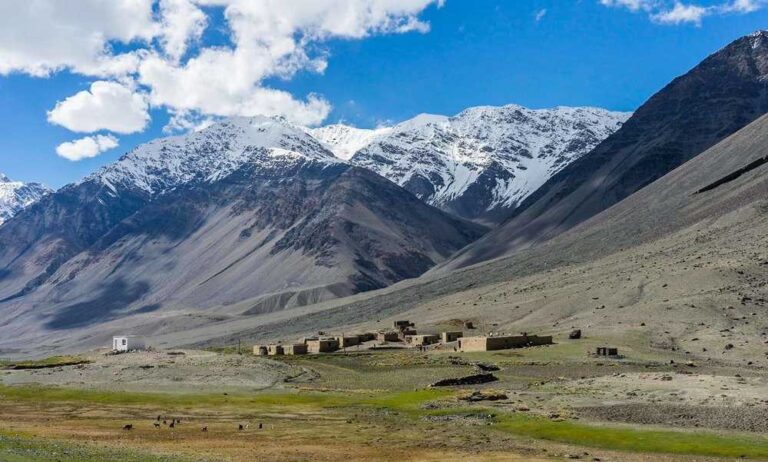
Referring to resistance and protests in parts of Afghanistan, including Badakhshan, he said that if the Taliban failed to respond to the demands of the population and the realities of Afghanistan’s diverse society, scattered resistance could develop into a broader movement against the group.
He called for an inclusive and transparent political process involving all ethnic groups and political currents, and for the formation of a government based on social justice, the rule of law and the will of the people.
Khalili also urged the international community to condition its engagement with the Taliban on respect for fundamental rights, women’s and minority rights, and the creation of an inclusive and accountable political system.
He expressed concern over the designation of some settlements as state-owned and alleged efforts to forcibly displace residents, linking the issue to concerns about discrimination against Hazaras and Shiites and changes in the demographic composition of parts of Afghanistan.
He called for national consensus and greater unity among political and social forces in pursuit of a free, democratic, pluralistic and just Afghanistan.
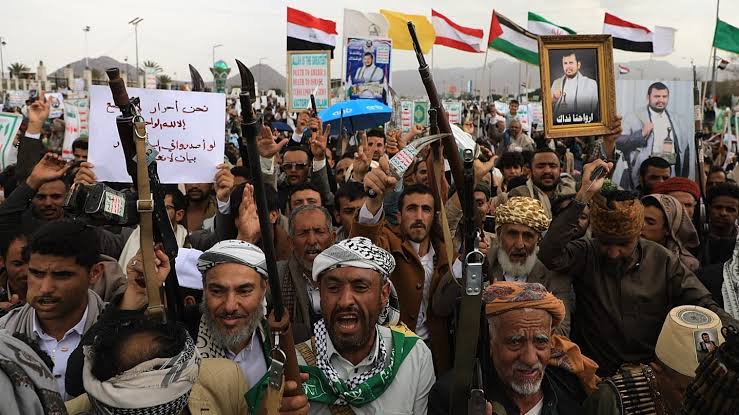
Taliban: Aug. 15 is a day of “victory”
The Taliban offered a sharply different account of the anniversary.
Hamidullah Fitrat, the group’s deputy spokesman, published the Taliban’s message marking the fifth anniversary, describing Aug. 15, 2021, as the “day of Afghanistan’s liberation from occupation” and a “day of victory.”
The Taliban said the takeover was achieved through what it called divine assistance and the sacrifices of the Afghan people and its fighters.
The group congratulated Afghans, its forces and the families of those killed, as well as widows and orphans, on the anniversary and called for Afghanistan to be protected from war, insecurity and “occupation.”
The message also urged Taliban officials to uphold Islamic law and serve the population, calling on them to treat people with sincerity, affection and brotherhood and to do more to address the needs of widows and orphans and ensure security and welfare.
The Taliban said Afghanistan wanted peaceful relations with countries around the world and would not allow its territory to be used against other countries.
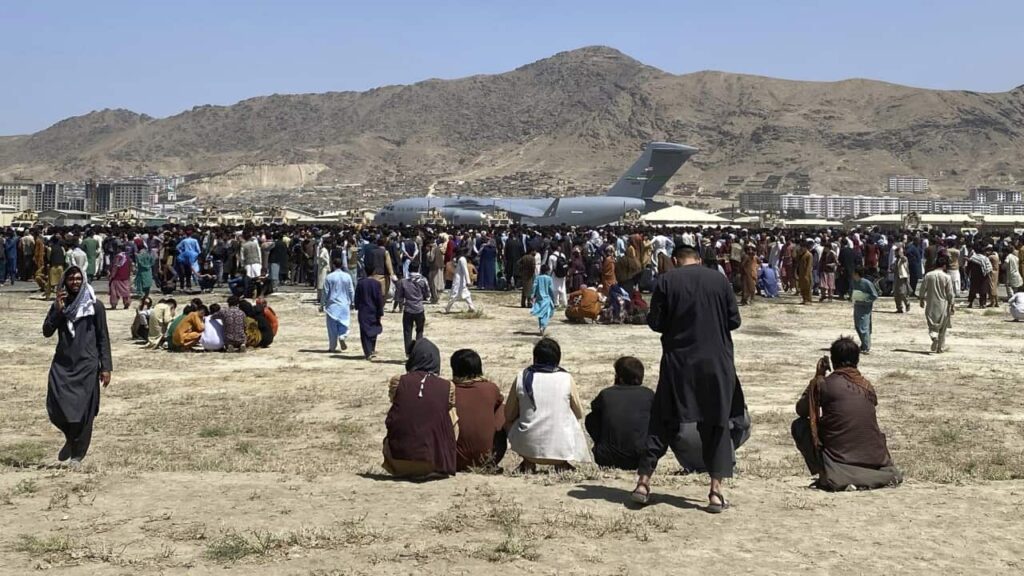
The contrasting statements underscore the sharply different narratives surrounding the events of Aug. 15, 2021. For the Taliban, the day marks the end of foreign occupation and a military victory; for political groups outside the country, it marks the collapse of the Islamic Republic and the beginning of a period they associate with political exclusion, restrictions on women and shrinking civic space. Five years ago, Afghan provinces fell one after another, and the departure of President Ashraf Ghani was followed by the collapse of the republic and the Taliban’s entry into Kabul within hours.