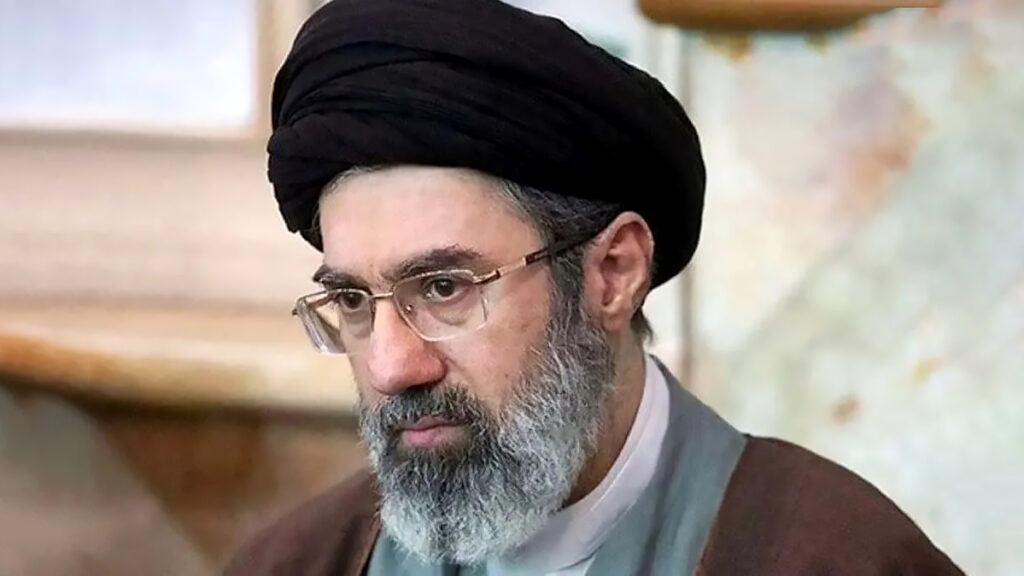
Tehran- IRAF- The Assembly of Experts held a session on March 7, and, by a majority vote and in consideration of the supreme interests of the sacred system of the Islamic Republic of Iran, elected Ayatollah Seyyed Mojtaba Khamenei as the third Leader of the Islamic Revolution.
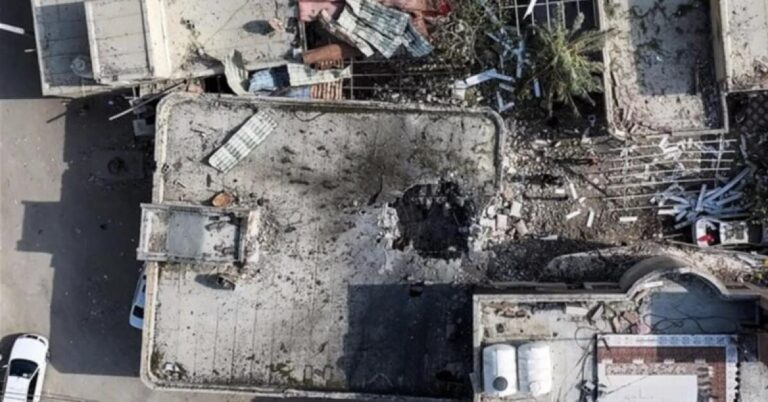
Ayatollah Seyyed Mojtaba Khamenei was chosen by the Assembly of Experts to assume the grave responsibility of leadership following the martyrdom of his revered father, the Leader of the Ummah, Ayatollah Imam Khamenei (may he rest in peace), on March 1 of this year, after a brutal attack by the Zionist‑American enemy.
Biography of Ayatollah Seyyed Mojtaba Khamenei
Ayatollah Seyyed Mojtaba Khamenei was born on September 8, 1969, in the holy city of Mashhad. He is the second son of the martyred Ayatollah Khamenei and the late Hajieh Khanoom Khojasteh.
He completed his secondary education at the Alavi School. His first teachers in seminary studies were Ayatollah Seyyed Mahmoud Hashemi Shahroudi and his father. In 1999, he entered the Qom Seminary for advanced religious studies and attended the lectures of Ayatollah Mohammad‑Taqi Mesbah Yazdi, Ayatollah Seyyed Mohsen Kharazi, and Ayatollah Safi Golpayegani.
Participation in the Sacred Defense
In 1986, at the age of 17, Ayatollah Seyyed Mojtaba Khamenei went to the war front and joined the Habib ibn Mazaher Battalion, one of the most well‑known battalions of the 27th Mohammad Rasulullah Division. He took part in several operations, including “Beit ol‑Moqaddas 2,” “Beit ol‑Moqaddas 3,” “Beit ol‑Moqaddas 4,” “Valfajr 10,” and “Mersad.”
Martyr Nourali Shooshtari once spoke about his presence on the war fronts:
“On several occasions he appeared at the front lines and participated in various operations. For example, one night during Operation ‘Beit ol‑Moqaddas 3,’ we saw ‘Agha Seyyed Mojtaba’ appear there with the son of Mr. Hashemi Rafsanjani. At that moment I was busy speaking on the radio and handling other tasks, and they set off toward the front line. No matter what I did, I could not stop them and they went ahead. Later I contacted their division commander and said: ‘They are coming—make sure they do not take part in the line‑breaking assault.’ The next day when I went to the area, I saw them on the heights of Qashan, at the very tip of the defensive position, in a place where evacuating the wounded was extremely difficult and delivering ammunition and supplies was also very challenging.”