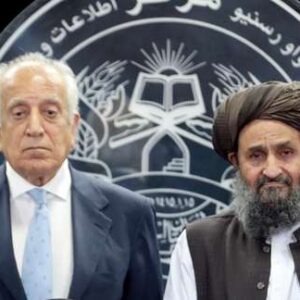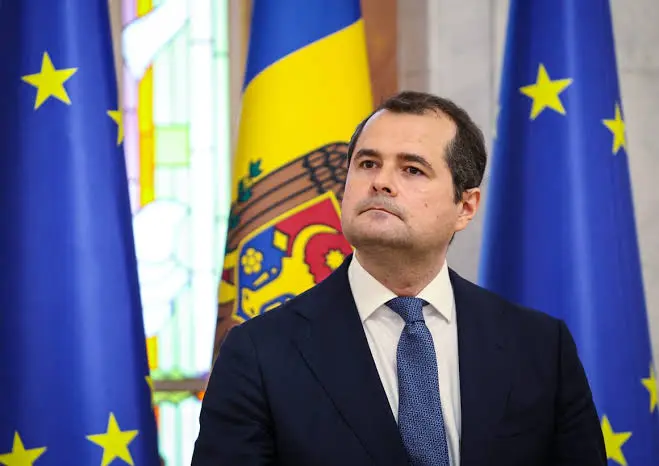
Moldovan Prime Minister Vasile Tofan has condemned the visit of a Taliban delegation to Moldova as “shameful” and “unacceptable,” saying the visas were issued because of an administrative failure and the absence of political oversight, while reaffirming that Moldova does not recognize the Taliban government.
According to IRAF, Tofan said the approval of visas for officials from the Taliban’s Ministry of Agriculture, Irrigation and Livestock resulted from what he described as an administrative mistake rather than a political decision.
He said Moldova does not recognize the Taliban administration and stressed that the visit was authorized due to failures in assessment and coordination among state institutions.
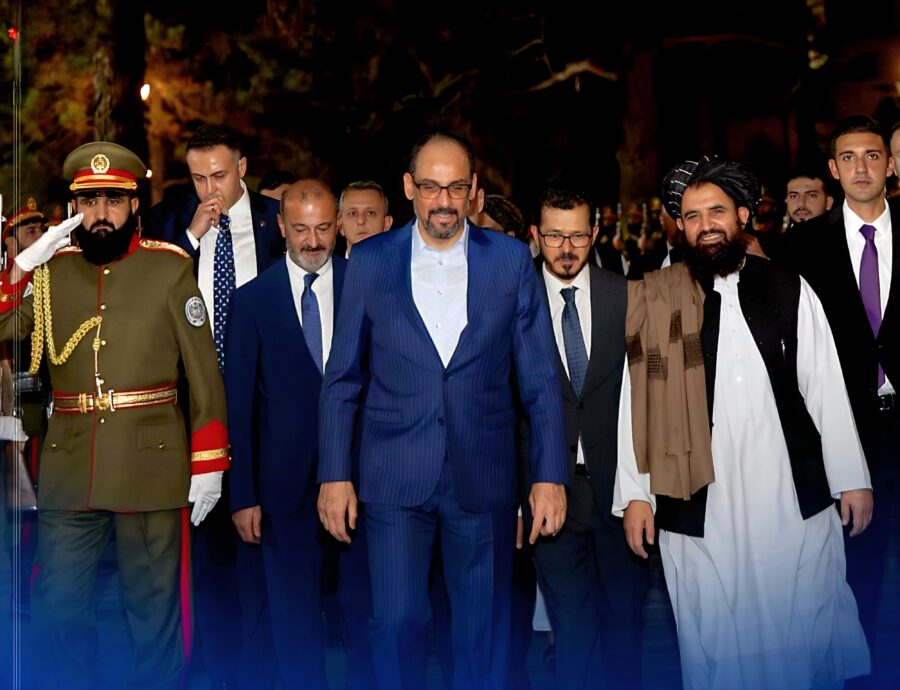
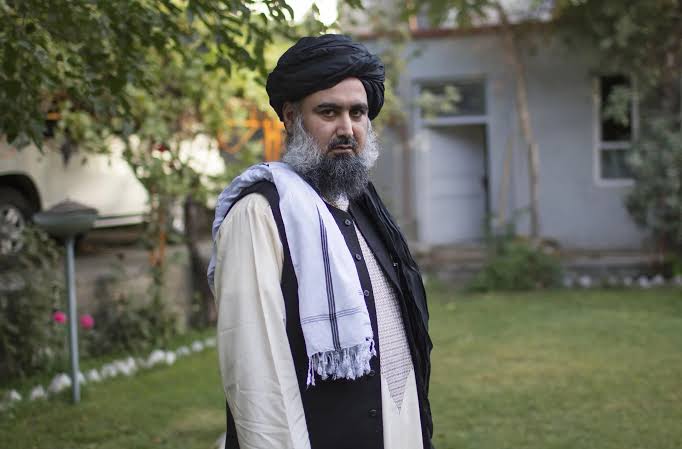
The prime minister’s remarks came a day after the Taliban’s Ministry of Agriculture announced that Deputy Minister Sadr Azam Osmani was leading an official delegation to Moldova at the invitation of the country’s Ministry of Agriculture and Food Industry.
The Taliban said the visit was intended to expand cooperation in plant protection, pest management, pheromone technology, agricultural research, commercial horticulture, and scientific and technical exchanges.
Explaining how the visit was approved, Tofan said a Moldovan company exporting agricultural products to Uzbekistan had sought government support to expand exports to Afghanistan. In response, the Ministry of Agriculture submitted a report to the Ministry of Foreign Affairs, the General Inspectorate for Migration, and the Border Police.
According to the prime minister, because the Taliban delegation members were not listed under international sanctions, the migration authorities issued a positive opinion and the Foreign Ministry subsequently granted visas. He added that existing administrative procedures did not require consultation with Moldova’s Security and Intelligence Service (SIS), leaving the agency unaware of the process.
Tofan said that while the formal legal procedures had been followed, the necessary political and diplomatic assessment had not been carried out.
“A clearly sensitive issue was handled as a routine administrative case, resulting in a wrong decision,” he wrote, adding that state institutions must evaluate not only procedural requirements but also the broader context, risks, and consequences of their decisions.
The visit triggered public criticism in Moldova, with some political groups calling for the resignation of officials involved. Tofan said he understood the public reaction and pledged to review government decision-making procedures, including mandatory consultations with the Security and Intelligence Service, to prevent similar incidents in the future.