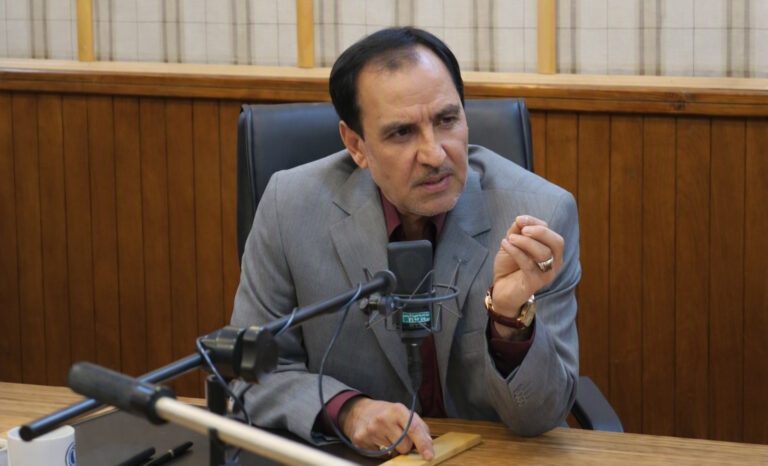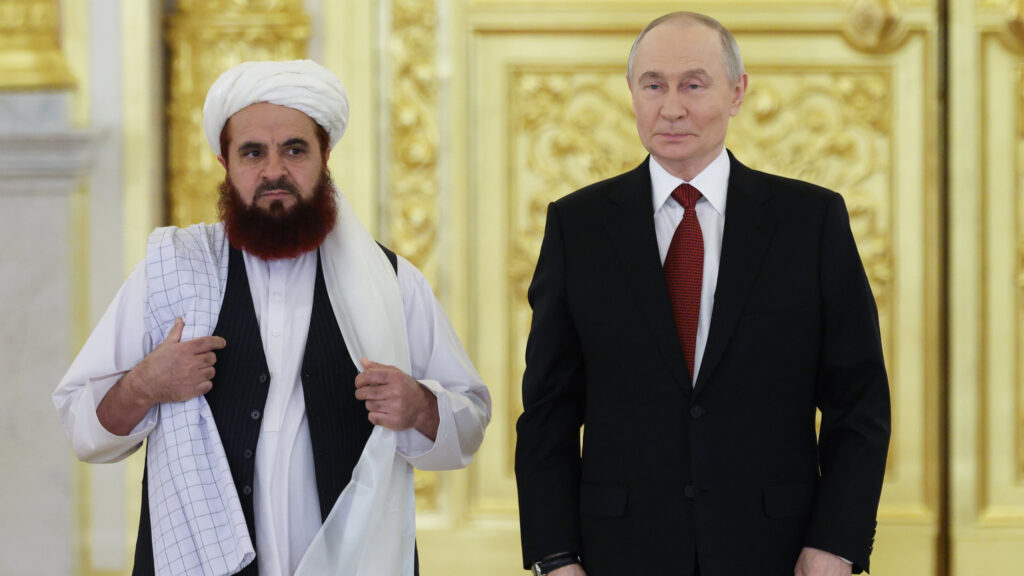
Five years after the Taliban returned to power, Russia remains the first and only country to have formally recognized the group’s government, a move that has prompted varied reactions and analyses across the region and beyond. In an interview with IRAF, Afghanistan affairs analyst Idris Rahmani argued that Moscow’s decision was driven primarily by security considerations aimed at managing threats and preserving intelligence influence in Afghanistan rather than by economic interests.
The Taliban regained control of Afghanistan in August 2021 following the withdrawal of U.S. and NATO forces. Despite five years of Taliban rule, most countries have withheld formal recognition of the group due to the absence of an inclusive government, sweeping restrictions on women and girls, concerns over human rights, and the continued presence of terrorist groups. Russia became the first country to officially recognize the Taliban government, a decision that many analysts view as being driven more by geopolitical competition, developments following the war in Ukraine, and Moscow’s security considerations in Central Asia than by a fundamental shift in its view of the Taliban.
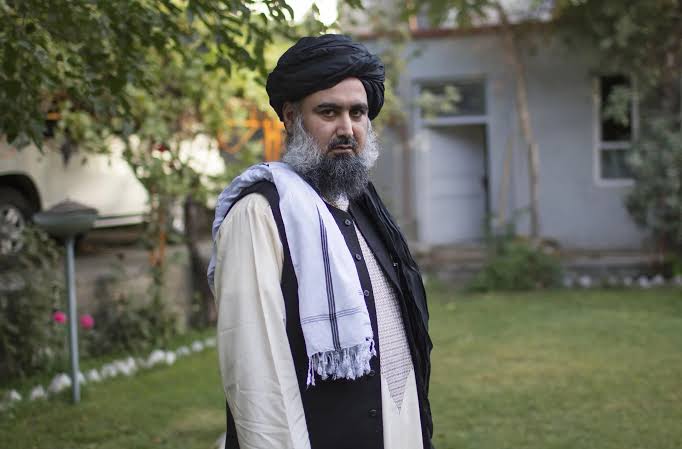
Idris Rahmani, an Afghanistan affairs analyst, told IRAF that Russia’s decision to recognize the Taliban government stemmed more from security concerns and geopolitical calculations linked to the war in Ukraine than from economic interests. According to him, by maintaining ties with the Taliban, Moscow seeks to prevent the spread of extremism into Central Asia and manage security threats along its southern borders.
Recognition as a Security Strategy
Rahmani said that although five years have passed since the Taliban returned to power, Russia’s decision to become the first country to recognize the Taliban government was not rooted in trust toward the group but rather in the security developments that followed the war in Ukraine.
He said that after becoming embroiled in the Ukraine war and reaching a military stalemate, Moscow became increasingly concerned about the possibility of a new front emerging in Central Asia and along its southern borders through the activities of extremist and fundamentalist groups operating from Afghanistan.
“Russia concluded that if it did not maintain relations with the Taliban, it would lose the ability to monitor Afghanistan’s security developments. Therefore, engagement with and even recognition of the Taliban became a tool for Moscow to closely observe the movements of extremist groups, the arrival of foreign fighters, and the activities of radical organizations, while preventing Afghanistan from becoming a base for threats against Central Asian security.”
Rahmani stressed that through this decision, Russia has sought to preserve at least a minimum level of intelligence and security influence in Afghanistan so that it would not be caught off guard by any emerging threats.
Political Considerations Outweigh Economic Interests
Rejecting the view that Russia is pursuing broad economic interests in Afghanistan, Rahmani said:
“Afghanistan is not considered a major economic market for Russia, and projects such as transferring energy from Central Asia to South Asia are not necessarily aligned with Moscow’s interests.”
He explained that in some cases, the suspension of projects such as gas exports to Pakistan and India could even benefit Russia by preventing the emergence of alternative energy export routes. For that reason, he argued that recognizing the Taliban was primarily a political and security decision rather than an economic one.
Rahmani also referred to narcotics trafficking, saying that preventing Afghan drugs from reaching Russian territory remains another major concern for Moscow. He argued that without direct relations with the Taliban, controlling the issue and pursuing security cooperation in this area would be difficult.
Managing a Threat, Not Supporting the Taliban
Rahmani said Russia’s recognition of the Taliban should not be interpreted as full support for the group. According to him, Moscow still views the Taliban as an ideological movement that could potentially pose a threat but has chosen to manage that threat through engagement rather than isolation.
He added:
“Russia is fully aware that fundamentalist groups could one day act against its own interests. For that reason, it seeks to keep communication channels with Kabul open and maintain close intelligence oversight of developments in Afghanistan.”
Recognition Does Not Guarantee Stability
Responding to a question about whether recognition could contribute to Afghanistan’s stability, Rahmani said:
“Recognizing a government generally increases its political legitimacy, but that alone is not sufficient to create stability.”
He added that economic conditions, internal security, political participation, and government performance all play important roles in achieving stability, while international recognition is only one contributing factor.
He continued:
“However, if more countries recognize the Taliban, at least from a psychological perspective, trade, investment, and economic activities in Afghanistan would be conducted with greater confidence, and people would also feel that the country is moving away from international isolation.”
Taliban Have Yet to Meet Standards of Governance
Rahmani described the Taliban’s governance record as the main obstacle to broader international recognition, saying the group has not yet succeeded in transforming itself from an insurgent movement into a responsible and accountable government.
He said:
“Governments are expected to meet standards such as accountability, respect for citizens’ rights, participation of different political and ethnic groups, lawful treatment of opponents, and the establishment of governing institutions. However, the Taliban still face serious challenges in many of these areas.”
According to him, the treatment of political opponents, sweeping social restrictions, the exclusion of a large segment of society from the power structure, and the absence of an inclusive government remain among the key reasons many countries have refrained from recognizing the Taliban.
Pakistan’s Experience as a Warning
Referring to Pakistan’s experience, Rahmani said Islamabad was among the first countries to recognize the Taliban during the group’s first period in power but is now facing the security consequences of that policy.
He added:
“Fundamentalist groups have an unpredictable nature and may even turn against their own supporters. Pakistan is now paying the price for its past policies and is confronting border insecurity and the activities of extremist groups.”
Rahmani argued that Russia understands this experience well and has therefore maintained a cautious and concerned approach toward the Taliban’s future while preserving relations with the group.
Regional States Focus on Containing the Threat
In another part of the interview, Rahmani discussed the approach of Afghanistan’s neighboring countries, saying Iran, China, the Central Asian states, and even Pakistan are focused more on managing security threats arising from engagement with the Taliban than on securing economic benefits.
He said:
“From the perspective of many regional countries, the Taliban remain a fundamentalist movement with unpredictable behavior. Their primary concern is the possible spread of extremism, the infiltration of terrorist groups, instability along borders, and the use of these movements by foreign powers to create insecurity in the region.”
He concluded that until the Taliban reform their governing structure, gain the trust of the international community, and transform from an ideological movement into a responsible government, the pace of international recognition will remain slow and limited.