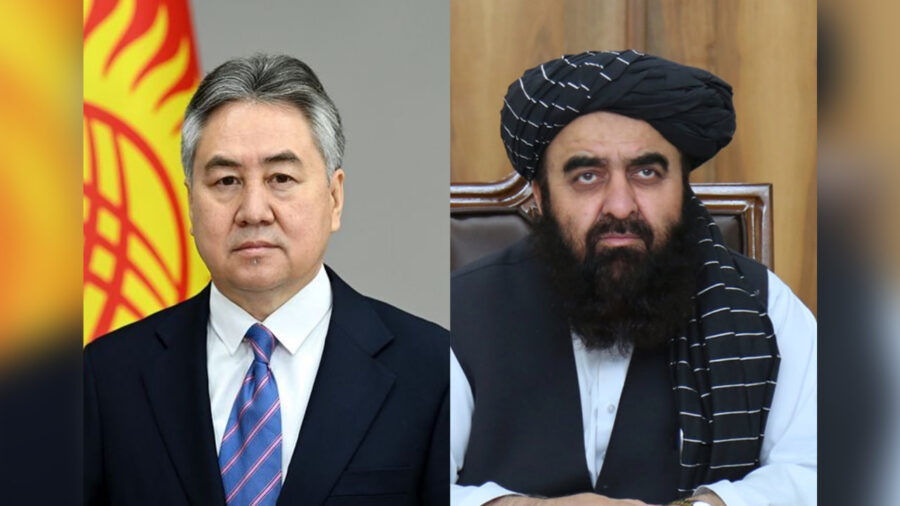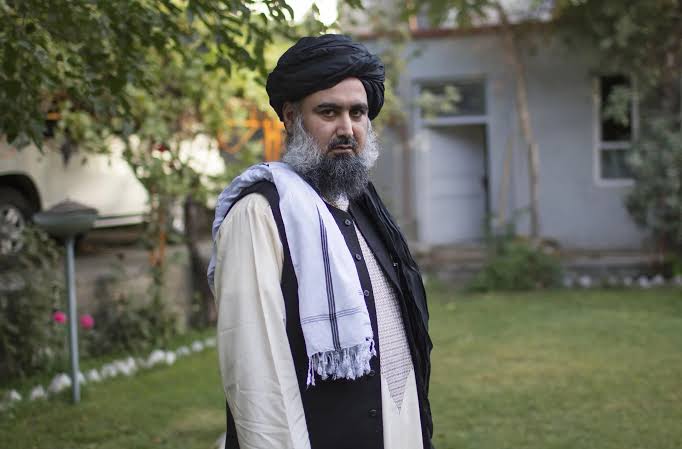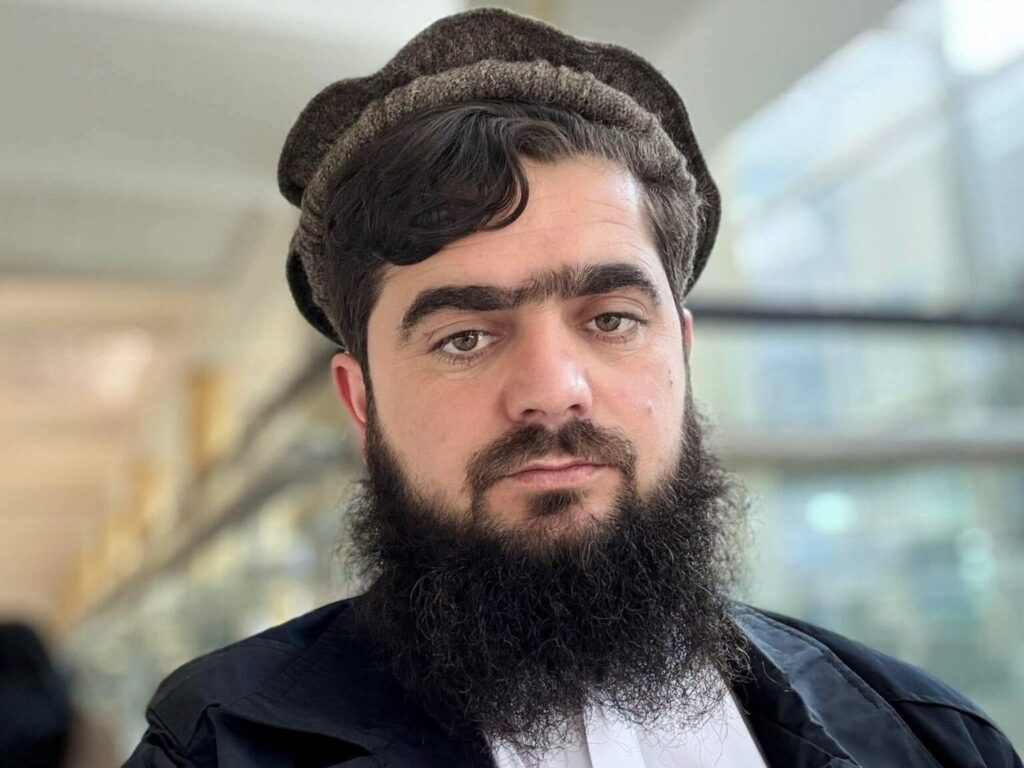
The assassination of Zabihullah Amiri, the Taliban’s director of the Information and Culture Department in northeastern Badakhshan province, has intensified scrutiny of both the deteriorating security situation and widening internal divisions within the Taliban, as armed opposition activity escalates across the province.
As reported by IRAF, Taliban authorities said on the day of the killing that one alleged attacker had been killed at the scene and another was captured alive hours later. The group has not released further details about the identities of those involved.
While no official claim has been confirmed by the Taliban, reports circulating after the attack said the regional branch of the Islamic State, commonly known as IS-K, had claimed responsibility.
However, sources familiar with developments in Badakhshan told IRAF that figures linked to Mawlawi Ismail Ghaznavi, the province’s current governor, may have been involved in Amiri’s assassination.
According to those sources, Amiri—who was the nephew of Amanuddin Mansoor, the former governor of Badakhshan and the current governor of Helmand province—had been locked in a serious dispute with Ghaznavi.
The sources said Amiri had not attended any meetings chaired by Ghaznavi over the past month and had been working to facilitate Mansoor’s return to lead Badakhshan once again.
The reported dispute comes as Badakhshan has witnessed intensified armed activity by anti-Taliban groups, including the National Resistance Front of Afghanistan, the Afghanistan Freedom Front, and the newly emerged Sepahiyan-e Mihan (Homeland Forces), turning the strategically important province into one of Afghanistan’s most volatile regions.
Taliban chief spokesman Zabihullah Mujahid and other officials have repeatedly maintained that security in Badakhshan remains “under control” and that no serious security challenges exist. Independent observers, however, say recent battlefield developments and the apparent internal rivalries—now highlighted by Amiri’s assassination—paint a different picture.
Mansoor May Return to Badakhshan
Separate media reports suggest the Taliban leadership is considering reappointing Amanuddin Mansoor as governor of Badakhshan in an effort to contain the province’s deteriorating security situation and internal disputes.
According to those reports, an official decree from Taliban supreme leader Hibatullah Akhundzada appointing Mansoor to the post could be announced in the coming days.
Mansoor, a native of Badakhshan regarded as a loyal Taliban commander, warned during a visit to the province in June that any opposition to Taliban rule would face a “decisive response.”
After the Taliban returned to power in 2021, Mansoor first served as governor of Badakhshan before being appointed commander of the Taliban Air Force.
During the insurgency against Afghanistan’s former republic, he commanded Taliban military operations across several districts of Badakhshan, including Nusay, Maymay, Kuf Ab, Jurm, Raghistan, Arghanj Khwa, Yaftal, Warduj, Shahr-e Bozorg and Baharak.
Earlier this year, Akhundzada appointed Mansoor governor of Helmand, a move that, according to critics, angered many local Taliban figures in Badakhshan and deepened tensions between local Tajik Taliban members and the movement’s predominantly Pashtun leadership.
Critics argue that the Taliban leadership has increasingly reassigned influential non-Pashtun commanders from their home provinces to predominantly Pashtun provinces in southern and eastern Afghanistan to curb their local influence and prevent any challenge to the movement’s centralized authority in northern Afghanistan. They say similar reshuffles involving Tajik, Uzbek and Hazara Taliban commanders have previously fueled internal disputes, protests and clashes.