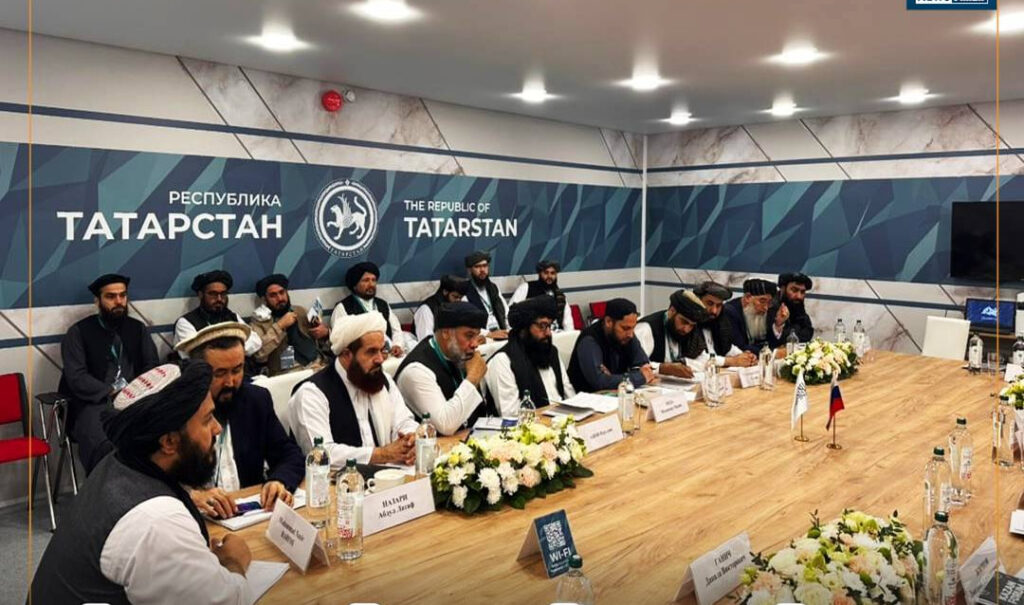
According to Iraf, during the summit of senior Russian and Taliban officials in Kazan today (Thursday, May 14), a new chapter of economic engagement opened with the participation of high-level delegations. The Taliban delegation included ministers and senior representatives from the ministries of Science, Industry and Trade, Economy, Finance, Public Services, Health, Labor and Social Affairs, Foreign Affairs, Water and Energy, Agriculture, and Mines. On the Russian side, the Deputy Minister of Industry and Trade, representatives from state oil and gas companies, and the ambassadors of both parties attended. The discussions emphasized the expansion of trade infrastructure and highlighted strategic aspects of energy security and transit.
Health Diplomacy and Pharmaceutical Standards Along the Kabul–Moscow Corridor
The Taliban Ministry of Health reported extensive consultations with Russian officials regarding pharmaceuticals, food, and healthcare products. The discussions focused on signing cooperation agreements, facilitating joint investments, and improving the export and import processes for medicines. The Deputy Head of Food and Drug at the Taliban Ministry of Health stated that the main goal of these interactions is to ensure access to standardized products at reasonable prices and to enhance technical capacity through Russian quality control systems.
Transit and Energy as Drivers of Russia–Taliban Economic Relations
Field reports indicate that Moscow and the Taliban have recently intensified efforts to develop mining infrastructure and energy networks. At the Kazan summit, both sides emphasized attracting large-scale investments in infrastructure, which could strengthen Afghanistan’s role as a transit hub between Central and South Asia. Collaborative initiatives, such as registering pharmaceutical producers and visiting Russian quality control laboratories, are among the measures taken to enhance technical capacity on both sides.
Regional Power Balance and Countering Economic Isolation
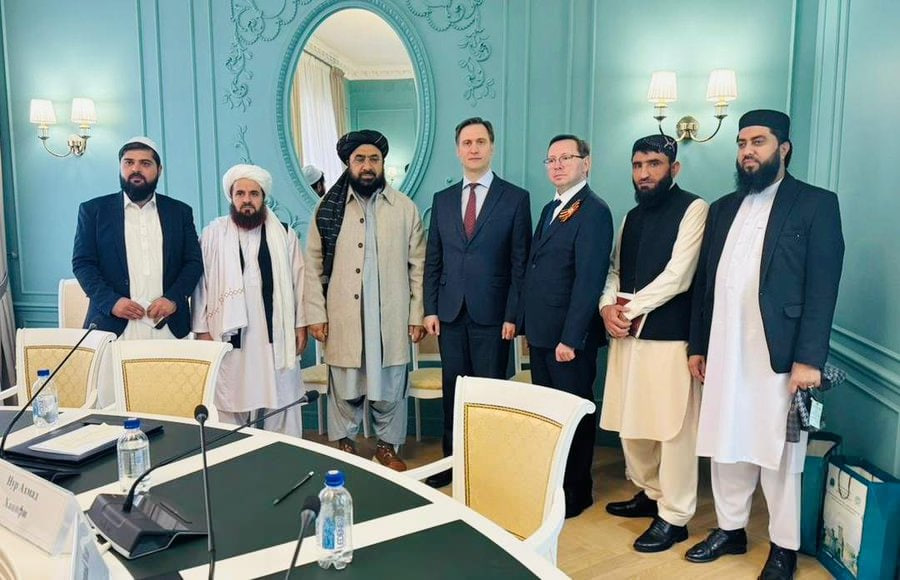
Ongoing diplomatic meetings between Kabul and Moscow in late May demonstrate the failure of external efforts to marginalize Afghanistan from regional economic dynamics. Sustainable cooperation in healthcare products and quality pharmaceuticals, besides meeting domestic needs, lays the foundation for new investment opportunities, ultimately contributing to economic stability. Russia’s pragmatic engagement with the Taliban also sends a clear message to Western competitors about Moscow’s strategic influence in the region.