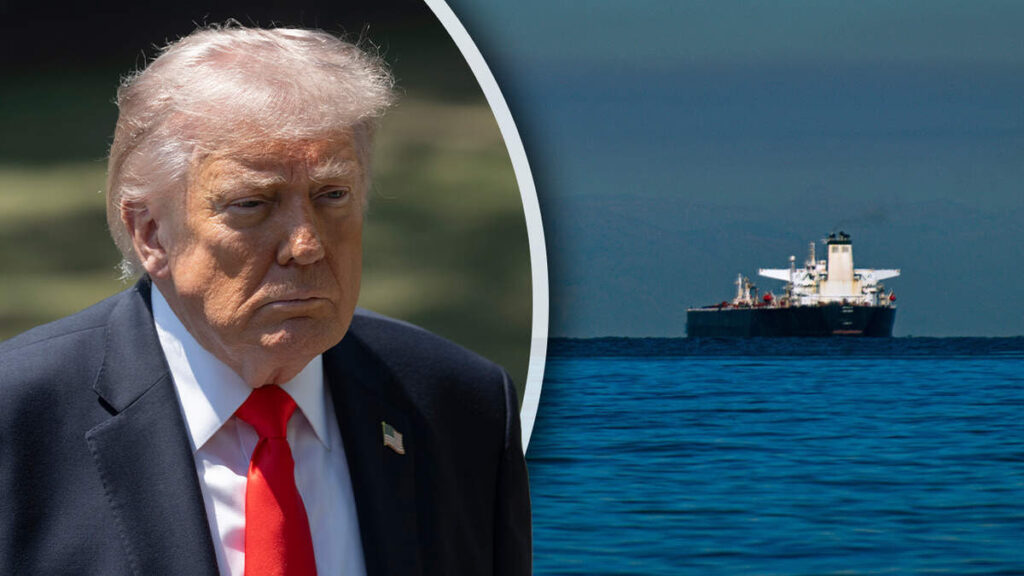
According to Iraf, citing Al Jazeera, senior officials in the Trump administration are speaking of the possibility of returning to a military phase, while international analysts today (Wednesday, 23 Ordibehesht) have emphasized the “critical” condition of the temporary ceasefire. Donald Trump, acknowledging that the current agreements are in a state of “complete coma,” is effectively confronted with a set of dysfunctional options. On one hand, the failure to achieve military objectives aimed at destroying Iran’s enrichment infrastructure and missile capabilities has demonstrated that Tehran’s ballistic arsenal and regional network of allies continue to function as a balancing force. On the other hand, U.S. public opinion, driven by economic costs and a surge in fuel prices, shows little willingness to return to war.
Erosion of U.S. Military Capability and Fear of the Eastern Front
One of Trump’s most serious challenges is the declining operational capacity of the United States to respond to potential threats in the Indo-Pacific region. Reports from strategic research centers warn that a five-week focus on confrontation with Iran has significantly weakened U.S. military readiness for a possible confrontation with China. This reality indicates that Iran’s active deterrence has trapped Washington’s war machine in a “war of attrition”—a situation in which U.S. regional allies such as the United Arab Emirates would also become direct targets of Iranian drone and missile responses in the event of any new escalation.
Prioritization of Tehran’s Conditions at the Negotiating Table
On the diplomatic level, Iran—leveraging its superior position on the ground—has clearly defined its demands: the full lifting of sanctions, recognition of sovereign influence over the Strait of Hormuz, and an end to hostilities across all fronts, including Lebanon. Experts argue that, contrary to media posturing, Trump will likely be forced to choose between “nuclear restrictions” and “Iran’s regional influence,” as Tehran has demonstrated that it has not only resisted economic and military pressure but has also consolidated its leverage over the world’s energy lifeline—the Strait of Hormuz.
Popularity Crisis and the Shadow of the Economy over Midterm Elections
Trump’s approval rating has fallen to 36 percent, while two-thirds of American citizens express concern over the lack of a clear justification for entering a war. This has further intensified pressure on Republicans ahead of congressional midterm elections. Trump’s sensitivity to oil market fluctuations and inflation caused by maritime disruptions is pushing him toward symbolic victories, even if such outcomes require granting strategic concessions to Iran. The situation on the ground indicates that Iran, having moved beyond the initial phase of damage, has now redefined its deterrence posture and has placed Washington in a position where any choice effectively amounts to accepting a new reality of power in West Asia.