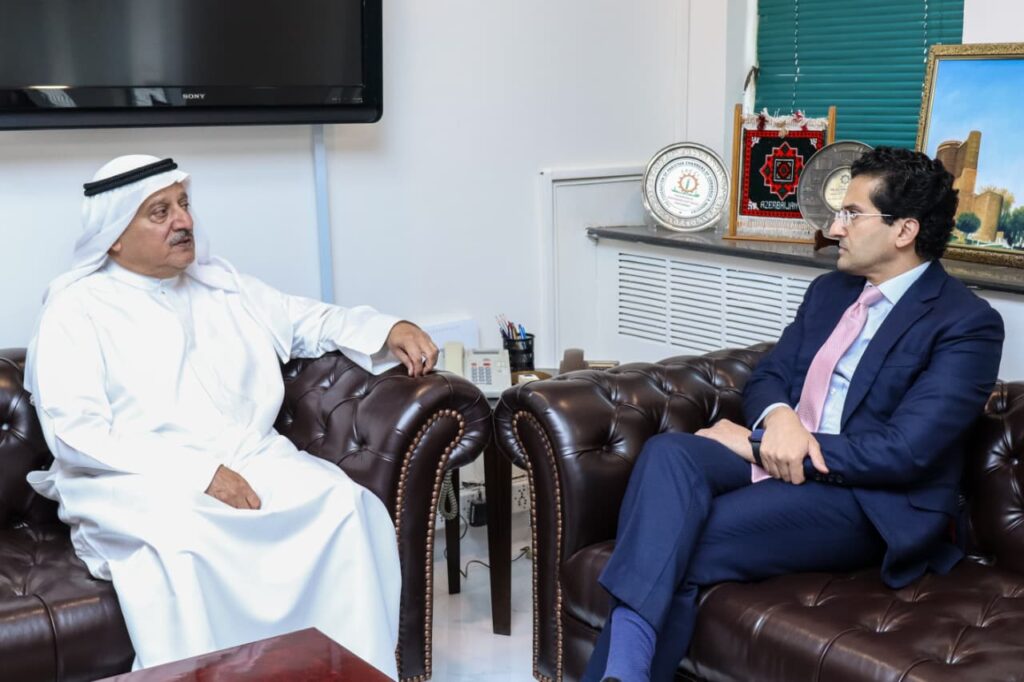
According to IRAF, the meeting was held on Wednesday, May 13, between senior energy officials from both countries. During the talks, Pakistan’s petroleum minister highlighted the country’s significant dependence on Gulf energy supplies and expressed appreciation for Kuwait’s rapid delivery of 55,000 tons of fuel following the closure of the Strait of Hormuz.
According to the report, nearly 60 percent of Pakistan’s diesel demand is supplied by Kuwait. The two sides also agreed to extend oil purchase credit facilities for another two years—an arrangement expected to ease part of the economic pressure resulting from rising global energy prices.
Pakistan Moves Toward Long-Term Energy Security
The agreement to construct strategic fuel storage facilities is being described as a sign of Pakistan’s shift from short-term energy management toward building sustainable infrastructure capable of withstanding future crises.
Pakistani officials believe that the experience of the Strait of Hormuz closure and the disruption of global energy supply chains has underscored the urgent need to expand domestic fuel storage capacity. Observers argue that such measures could also strengthen Pakistan’s geopolitical standing within regional energy dynamics.
Linking Energy Cooperation With Regional Diplomacy
During the meeting, Kuwait’s ambassador reportedly described Pakistan’s role in reducing tensions between Iran and the United States as significant, emphasizing that regional stability remains a key factor for sustaining economic and energy cooperation.
Analysts say Kuwait’s oil and credit support for Pakistan carries not only economic implications but also political messaging, reflecting Gulf Arab states’ support for Islamabad’s mediating role in regional crises.
Refinery Expansion and Reduced Vulnerability to Crises
The expansion of refinery cooperation between the two countries is viewed as part of Pakistan’s broader strategy to increase domestic production capacity for petroleum products and reduce dependence on direct fuel imports.
Experts believe Islamabad, by deepening cooperation with Arab oil-producing states, seeks to reduce its economic vulnerability to geopolitical crises and potential disruptions in maritime energy transportation routes.