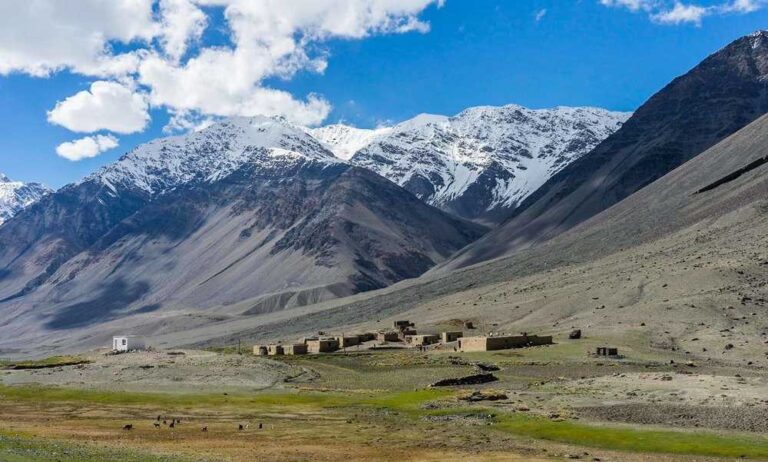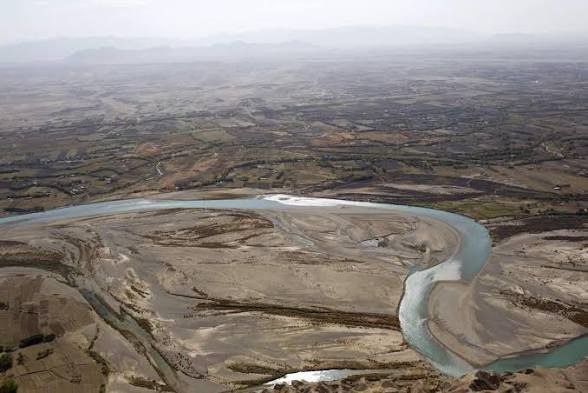
According to Iraf, citing Caspian Post, the latest assessment by the Stockholm International Water Institute shows that the Amu Darya basin—one of the most important transboundary river systems between Afghanistan and several Central Asian states—is now facing one of the most critical phases in its history.
Climate change pressures, increasing water demand, and weak regional cooperation have made water management increasingly difficult and have raised the risk of water-related tensions.
The report emphasizes that rising temperatures, shifting precipitation patterns, and the rapid melting of glaciers across the region are changing both the timing and volume of water availability, increasing river flow variability.
This situation intensifies seasonal shortages and increases competition among different water-consuming sectors, which could affect food security, energy production, and livelihoods across the region.
At the same time, existing water governance structures have failed to adapt to these new conditions, and weak data exchange, lack of coordination, and insufficient trust among countries continue to hinder the creation of a sustainable cooperation framework.
Caspian Post notes that Afghanistan, as an upstream country in the Amu basin, is still not part of formal regional water management frameworks—a situation that, given rising competition over water resources, is no longer sustainable.
One of the most significant examples of this issue is the construction of the Qosh Tepa Canal in northern Afghanistan. Experts say the project could divert between 8% and 20% of the annual flow of the Amu Darya once completed.
The canal is considered vital for Afghanistan’s food security and agricultural development, but the lack of regional coordination around it highlights the growing risk of water tensions.
The SIWI report also states that the current situation represents both a threat and an opportunity for the region.
If cooperation does not improve, countries may face a chain of consequences including severe water shortages, economic pressure, social instability, migration, and setbacks in sustainable development goals.
However, the climate crisis could also serve as a catalyst for cooperation, provided that countries move away from a narrow “water allocation” approach and adopt an integrated framework that links water with energy, agriculture, trade, and regional connectivity.
The report further stresses the gradual and pragmatic integration of Afghanistan into regional water and climate cooperation mechanisms.
According to SIWI, initial steps could include Afghanistan’s participation in technical dialogues, involvement in data-sharing platforms, and joint monitoring programs—measures that could build trust and pave the way for more formal cooperation in the future. Strengthening monitoring infrastructure, developing early warning systems, and promoting climate-resilient agriculture are also highlighted as key steps to reduce regional vulnerability.
Caspian Post recalls that SIWI has been facilitating the so-called “Track 1.5” dialogue process between Afghanistan and Central Asian countries since 2018. In the latest session held in March 2026 in Tashkent, experts and representatives discussed practical cooperation pathways.
The outcomes of these discussions suggest that despite political sensitivities, there is still a workable path forward. Countries can begin with technical cooperation and mutual interdependence to move from fragmented approaches toward more coordinated and inclusive water governance.
In conclusion, the report emphasizes that the challenges are significant and the risks of inaction are real, but opportunities still exist to turn shared pressures into a foundation for cooperation.
The future of this process depends on sustained dialogue, reform of existing frameworks, and acceptance of the reality that inclusive cooperation is not only desirable but essential for long-term regional stability.