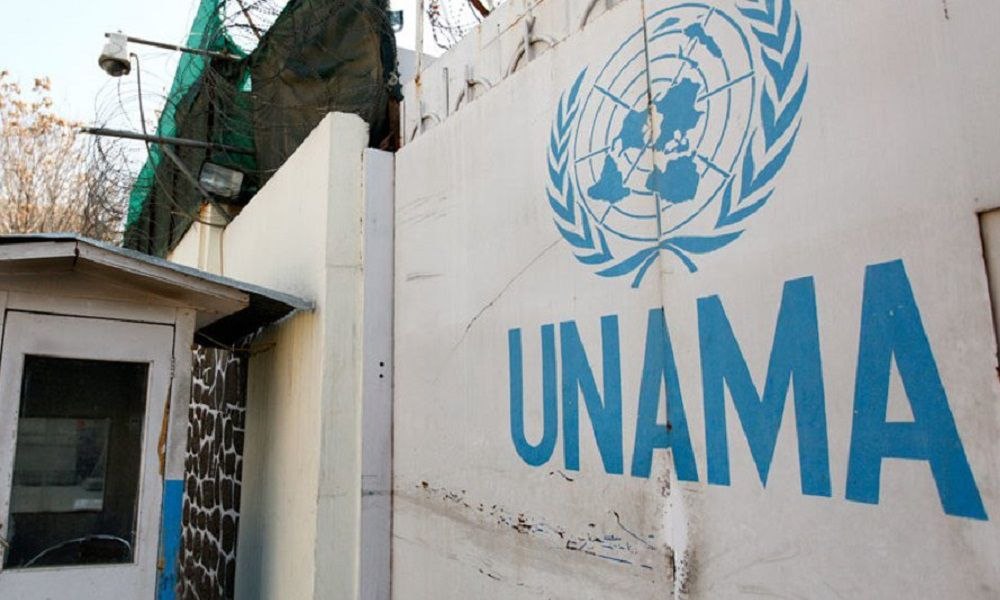
According to Iraf, the intelligence-focused media outlet Intelligence Online has reported that the United Nations is preparing to begin new negotiations to review its long-term security contract in Afghanistan.
This decision comes at a time when the Taliban have, in recent months, imposed stricter regulations on the activities of private security companies; regulations that have directly affected the operations of the United Nations, the European Union, and other international institutions.
According to the report, the Taliban’s new restrictions have caused the security company K2 Integrity — one of the security contractors linked to foreign institutions — to face serious difficulties in continuing its operations.
Intelligence Online says Afghanistan’s security and intelligence environment has been continuously changing since the Taliban takeover, and international security companies are now facing more complex conditions.
Taliban Security Pressure on Foreign Institutions
Over the past year, the Taliban have introduced new regulations to control the activities of private security companies; regulations that effectively place full authority over the supervision and management of foreign institutions’ security in the hands of the group.
These restrictions include licensing procedures, types of equipment, methods of personnel movement, and even the employment structure of security companies.
At the same time, the United Nations had stated in its official reports that the Taliban imposed extensive restrictions on Afghan staff members, especially women; restrictions that at times led to the suspension of part of the UN’s activities in Afghanistan.
The Importance of Revising the Security Contract
The review of the UN security contract is significant because it will determine the level and nature of the organization’s presence in Afghanistan in the coming years. It will also clarify how the security of foreign and Afghan personnel will be ensured, how the role of private security companies will change under the new conditions, and ultimately how this revision could directly affect the delivery of humanitarian aid and the extent of the UN’s engagement with the Taliban.
In this regard, experts believe that the combination of security pressures, Taliban administrative restrictions, and threats arising from ISIS-K activities has forced the United Nations to design a new security framework for maintaining its presence in Afghanistan.
This review could lead to changes in personnel protection methods, a redefinition of the role of security companies, and adjustments in the level of cooperation with the Taliban.