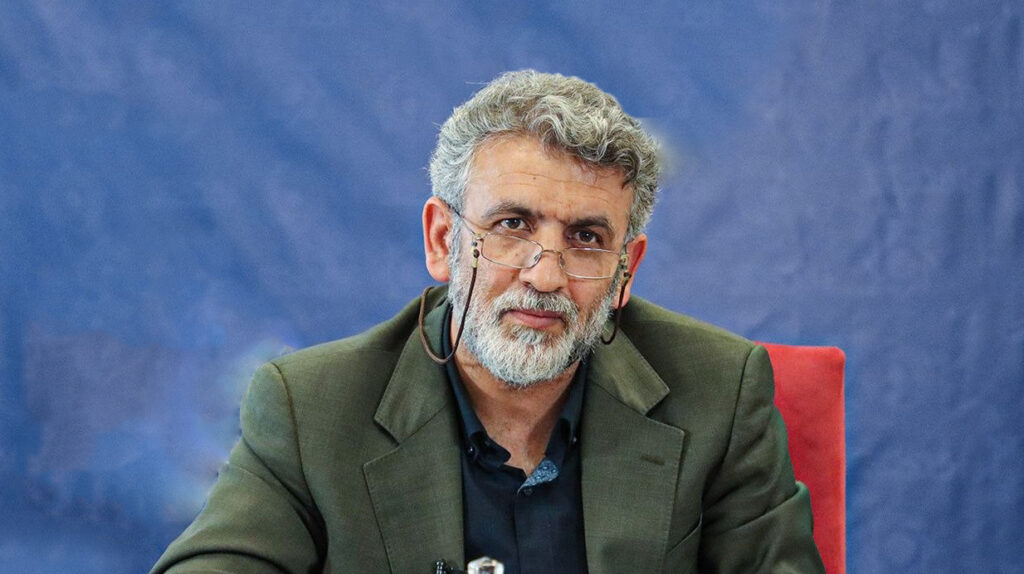
Afghanistan is one of the region’s richest countries in terms of mineral resources, yet decades of war, insecurity and inadequate economic infrastructure have left much of this potential untapped. As new trade routes take shape across the region, Iran’s role in connecting Afghanistan to open waters and global markets has drawn increasing attention. Reza Gholami, an economist, says that with greater security, stronger infrastructure and a unique geopolitical position, Iran can become a strategic partner for Afghanistan in developing its mining sector, facilitating goods transit and establishing a land corridor between China and the Persian Gulf.
Speaking to IRAF, Gholami said that despite Afghanistan’s vast mineral reserves, the country remains far from achieving economic development. “The lack of political stability and weak transportation infrastructure are the main obstacles to exploiting the country’s potential,” he said.
He stressed the need for political stability, the development of transit infrastructure and strategic cooperation among Iran, Afghanistan and China to take advantage of emerging regional opportunities.
A Country Rich in Resources but Lacking Development
Gholami said Afghanistan continues to lag far behind in terms of development.
“Afghanistan is still one of the countries that remains far from development, and it cannot even be considered among developing countries,” he said.
According to Gholami, years of war, internal conflict, political instability and structural problems have prevented Afghanistan from using its natural resources to promote economic growth.
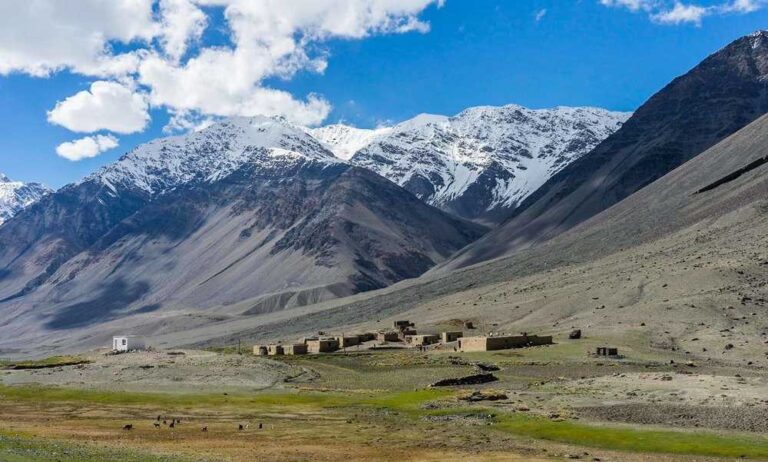
“Afghanistan is a mountainous country, and this geographical feature has made the development of infrastructure such as roads, railways and transportation networks very costly. As a result, many of the country’s mining areas still lack adequate access, and the conditions for their economic exploitation have not been established,” he said.
The economist noted that Afghanistan possesses substantial mineral wealth, including copper, gold and other valuable metals, much of which remains untouched.
“Afghanistan is a very rich country in terms of mineral reserves, and it has mines containing copper, gold and other valuable metals, a significant portion of which remain pristine and untouched. These resources could transform Afghanistan’s economic future, but realizing this potential requires long-term political stability and the attraction of domestic and foreign investment,” he said.
Gholami emphasized that without a stable and strong government capable of guaranteeing investment security, Afghanistan would not be able to develop its mining sector or implement major infrastructure projects.
In his view, the Afghan government must pursue a serious plan to develop roads, railways and other infrastructure required for the mining sector alongside efforts to establish security.
Iran and Pakistan: Afghanistan’s Two Routes to Open Waters
Referring to Afghanistan’s geographical position, Gholami said the country effectively has two main routes for access to open waters: Iran and Pakistan.
“This country practically has two main routes, Iran and Pakistan, for access to open waters. Although the route through Pakistan is shorter in terms of distance, Iran has other advantages that could make it a more reliable option,” he said.
He pointed to Iran’s extensive network of roads, railways, ports and transportation infrastructure, as well as its major mining, steel and metals industries.
“Iran has developed an extensive network of roads, railways, ports and transportation infrastructure in recent years, and alongside this, major mining, steel and metal industries are also active in the country. These capacities make it possible for minerals extracted from Afghanistan to be used in Iranian industries or exported to global markets through Iran,” he said.
Gholami added that Iranian companies could also play a significant role in Afghanistan’s mining sector.
“In addition, major Iranian companies have the technical and financial capacity needed to invest in the exploration, extraction and processing of Afghanistan’s mines and, if the necessary conditions are provided, they can play an important role in developing the country’s mining sector,” he said.
Political Instability Remains the Main Barrier to Investment
Gholami identified Afghanistan’s political and security risks as the biggest obstacle to expanding economic cooperation.
“As long as political stability is not established in Afghanistan on a sustainable basis, investors will act cautiously when entering major economic projects,” he said.
He stressed the need for Afghanistan to provide stronger guarantees for the security of economic projects.
“Afghanistan must be able to guarantee the security of economic projects. Even if the country wants to use partnership models with foreign investors, it is necessary to provide clear mechanisms for protecting investment and ensuring the security of projects so that foreign companies can enter this market with greater confidence,” he said.
He added that security alone would not be sufficient.
“In addition to the issue of security, a precise economic assessment of mining projects must also be carried out to determine how profitable investment in each project will be and whether it is economically viable or not,” he said.
Iran a More Reliable Option Than Pakistan in Terms of Political Security
Comparing the two transit routes, Gholami said that although the Iranian route is longer than Pakistan’s, Iran offers greater security and political stability.
“Although the route through Iran is longer than the one through Pakistan, Iran has better conditions in terms of security and political stability,” he said.
He argued that Pakistan faces a range of security challenges, ethnic tensions and internal conflicts that increase risks for commercial activity, while Iran benefits from a stronger central government, greater border control and higher political stability.
“Pakistan faces numerous security challenges, ethnic tensions and internal conflicts, and these issues increase the risks of commercial activities. In contrast, Iran has a strong central government, appropriate control over its borders and greater political stability, and this increases the security of trade and transit,” he said.
Gholami added that Iran’s political structure has remained intact despite recent security tensions.
“Even despite some recent security tensions, Iran’s governance structure remains integrated, and this enables economic actors to plan for investment and trade with greater confidence,” he said.
He said Iran could therefore offer Afghanistan a safer and lower-risk route to open waters while also providing processing capacity for Afghan mineral resources.
“For this reason, Iran can provide a safer and lower-risk route for transferring Afghanistan’s goods to open waters while simultaneously using part of the country’s mineral resources in its domestic industries or exporting them to foreign markets,” he said.
Major Opportunity for Joint Investment in Mining
Gholami said the scale of investment opportunities in Afghanistan’s mining sector is significant and argued that Iran should not overlook them.
“The volume of investment opportunities in Afghanistan’s mining sector is very high, and Iran should not miss this opportunity,” he said.
He said that if political risks and regional tensions decline and conditions improve for private-sector activity, major Iranian companies could participate in mining projects across Afghanistan.
“If political risks and problems arising from regional tensions are reduced and conditions are provided for private-sector activity, major Iranian companies, especially in the fields of steel, mining and mineral industries, can participate in Afghanistan’s mining exploration and extraction projects,” he said.
The minerals extracted from Afghanistan, he added, could serve Iranian industries while also being exported or transited to international markets through Iran’s transportation network.
“Extracted minerals can, in addition to meeting the needs of Iran’s domestic industries, be exported or transited to global markets through the country’s transportation network, and this could bring considerable economic benefits to both countries,” he said.
Afghanistan: A Link Between Iran and China
Gholami also highlighted Afghanistan’s geopolitical importance as a potential link between eastern and western Asia.
“One of Afghanistan’s important characteristics is its strategic position in connecting East and West Asia. Although Afghanistan’s shared border with China is around 70 to 80 kilometers, this short border can still play an important role in the formation of new transportation corridors,” he said.
He pointed to China’s major role in the global economy and its position as one of the world’s largest producers of goods.
“Today, China has become one of the world’s largest producers of goods and accounts for a significant share of global industrial production. Therefore, establishing a land route between China, Afghanistan and Iran could have major economic and strategic importance,” he said.
Gholami proposed that Iran and China cooperate with Afghanistan to develop a joint railway and transit route, allowing Chinese goods to enter Iran through Afghanistan before being transported to regional and global markets.
“China and Iran, in cooperation with Afghanistan, could create the conditions for establishing a joint railway and transit route so that Chinese goods enter Iran through Afghanistan and are then transferred to regional and global markets,” he said.
He said such a corridor could boost regional trade while also carrying strategic importance for Iran.
“The establishment of such a corridor, in addition to developing regional trade, is also important for Iran from the perspective of passive defense because, under conditions of sanctions or problems affecting maritime routes, the existence of a secure land route could preserve part of the country’s trade,” he said.
Gholami concluded by stressing that the project would depend on reducing security risks, establishing lasting stability in Afghanistan and ensuring close regional cooperation.
“The realization of this idea requires the elimination of security risks, the establishment of lasting stability in Afghanistan and close cooperation among regional countries to ensure the security of this economic corridor,” he said.
Afghanistan is estimated to hold some of the world’s largest untapped reserves of mineral resources, including copper, iron, gold, lithium and rare earth elements. However, decades of war, insecurity, sanctions and inadequate transportation infrastructure have limited investment and prevented the large-scale development of these resources.
In recent years, as Afghanistan’s trade routes have increasingly shifted from Pakistan toward Iran and Central Asia, the development of transit corridors and investment in Afghanistan’s mining sector have received greater attention from regional countries. Analysts believe that if political stability and lasting security can be established, Iran could draw on its railway network, southern ports and mining industries to play a major role in Afghanistan’s economic development and its integration with global markets.