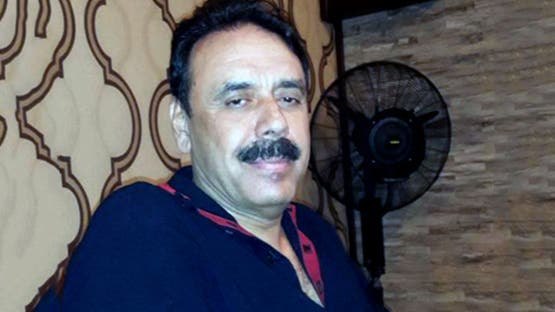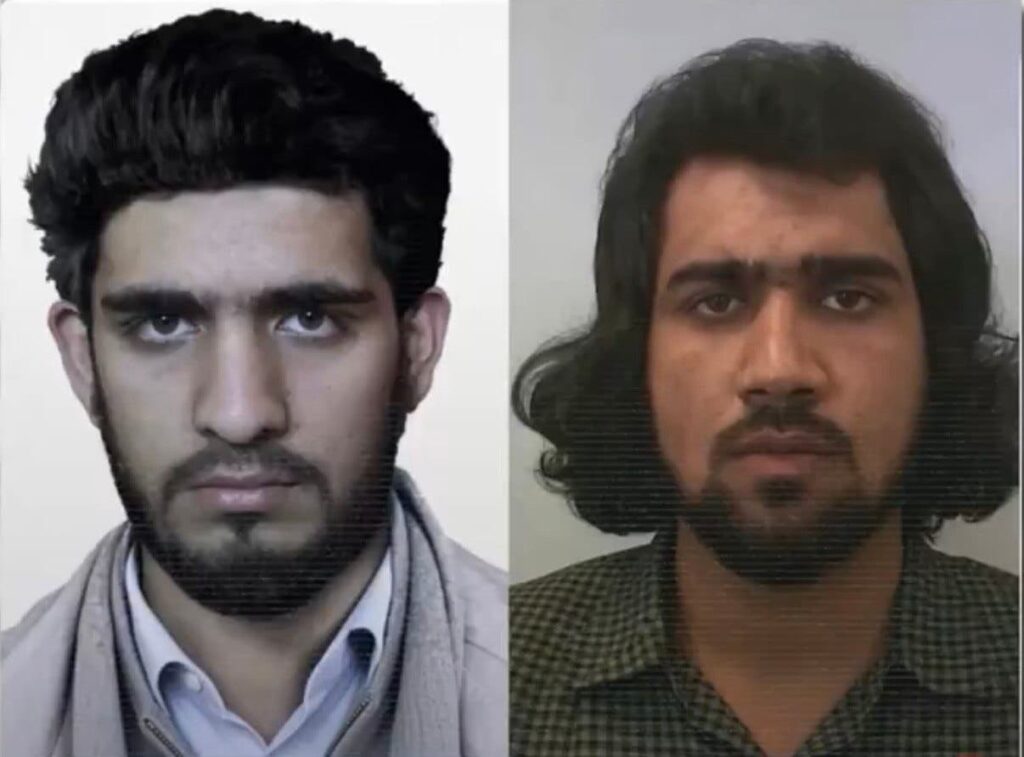
The United States has offered up to $10 million for information leading to the identification or location of Sanaullah Ghafari, also known as Shahab al-Muhajir, the leader of the Islamic State Khorasan Province (ISKP) since 2020. Ghafari has been sanctioned by the United Nations and designated by Washington as a Specially Designated Global Terrorist, making him one of the most prominent figures in ISKP.
According to IRAF, Sanaullah Ghafari, known as Shahab al-Muhajir, is among the senior leaders of ISKP whose name has repeatedly appeared in recent years in reports by the United Nations, the U.S. State Department and international security agencies.
According to official U.N. records, Ghafari is listed under the name Sanaullah Ghafari, with the title “Dr.,” on the U.N. Security Council sanctions list.
U.N. records give two different dates of birth for him, including Oct. 28, 1994, and identify Afghanistan as his place of birth. The United Nations describes him as an information technology specialist and lists his father as Abdul Jabbar and his grandfather as Abdul Ghafar.
From Kabul to the Leadership of ISKP
Ghafari was appointed leader of ISKP by the group’s central leadership in June 2020. When ISIS announced his appointment, it described Shahab al-Muhajir as an experienced commander who had been involved in guerrilla operations and the planning of suicide and complex attacks in Kabul.
The U.S. State Department said in 2021 that Ghafari was responsible for approving ISKP operations across Afghanistan and securing financial resources for carrying them out. The role placed him beyond the level of a local commander and made him one of the group’s key decision-makers.
What Has the United Nations Accused Ghafari Of?
The U.N. Security Council added Ghafari to its ISIS and al-Qaeda sanctions list on Dec. 21, 2021. According to the summary of reasons for his designation, Ghafari was involved in financing, planning, facilitating and preparing ISKP activities, as well as transferring weapons and recruiting members for the group.
The United Nations also identified him as responsible for approving ISKP operations and organizing financial resources for attacks. The report said he had been involved in planning terrorist attacks in Afghanistan and Pakistan that resulted in the deaths of hundreds of people.
The U.S. State Department separately designated Sanaullah Ghafari as a Specially Designated Global Terrorist on Nov. 22, 2021. At the time, Washington also sanctioned two other ISKP leaders, Sultan Aziz Azam and Mawlawi Rajab.
The designation, at least formally, blocks property and financial interests under U.S. jurisdiction and prohibits U.S. persons from conducting transactions with those designated. The United States had previously designated ISKP as a Foreign Terrorist Organization in 2016.
At the same time, security analysts have commented on the relationship between ISIS and the United States, particularly ISKP during the presence of foreign forces, and have expressed serious doubts about Washington’s approach to countering the group.
Ghafari and the Kabul Airport Attack
One of the main reasons Ghafari’s leadership became prominent in the context of the U.S. campaign against ISKP was the period in which the group carried out a series of major attacks in Afghanistan.
On Aug. 26, 2021, as the United States and other countries were evacuating their forces and citizens from Afghanistan, an ISKP suicide bomber detonated an explosive near Kabul airport. The U.S. State Department put the death toll at at least 185, including 13 U.S. service members, while more than 150 others were wounded. ISKP later claimed responsibility for the attack.
The United States had previously warned of the possibility of a terrorist attack at Kabul airport, while Britain’s foreign intelligence service had issued a similar warning. According to the text, this has fueled questions over whether the United States had prior knowledge of, or was even complicit in, the attack.
Why Ghafari and ISKP Matter
Ghafari’s importance lies in part in the fact that ISKP, unlike groups focused primarily on local operations, has sought to build a cross-border network extending beyond Afghanistan and Pakistan to Central Asia and other areas.
U.N. reports in recent years have indicated that ISKP has sought to use Afghanistan as one of its centers of activity and organization. This has kept the group high on the security agendas of both the United States and the United Nations and provides context for Washington’s decision to offer a $10 million reward for information on Ghafari.
A Reward With Security Implications
The $10 million reward for information on Sanaullah Ghafari is more than a financial incentive; it underscores the importance Washington places on intelligence concerning the ISKP network.
The move appears aimed at using local and international sources to identify Ghafari’s whereabouts and his network of contacts. At the same time, critics argue that the decision could contribute to strengthening ISKP and amplifying perceptions of the threat it poses to regional security, while leaving questions about Washington’s underlying intentions unanswered.
Ghafari’s name has become closely associated with a period of expanding ISKP operations in Afghanistan. He has led the group since 2020, has been sanctioned by the U.N. Security Council and has been designated by the United States as a Specially Designated Global Terrorist.
His continued inclusion among those sought by Washington, despite conflicting reports about his fate, underscores the continued importance the United States attaches to him and places Ghafari within the broader framework of Washington’s regional security efforts.